


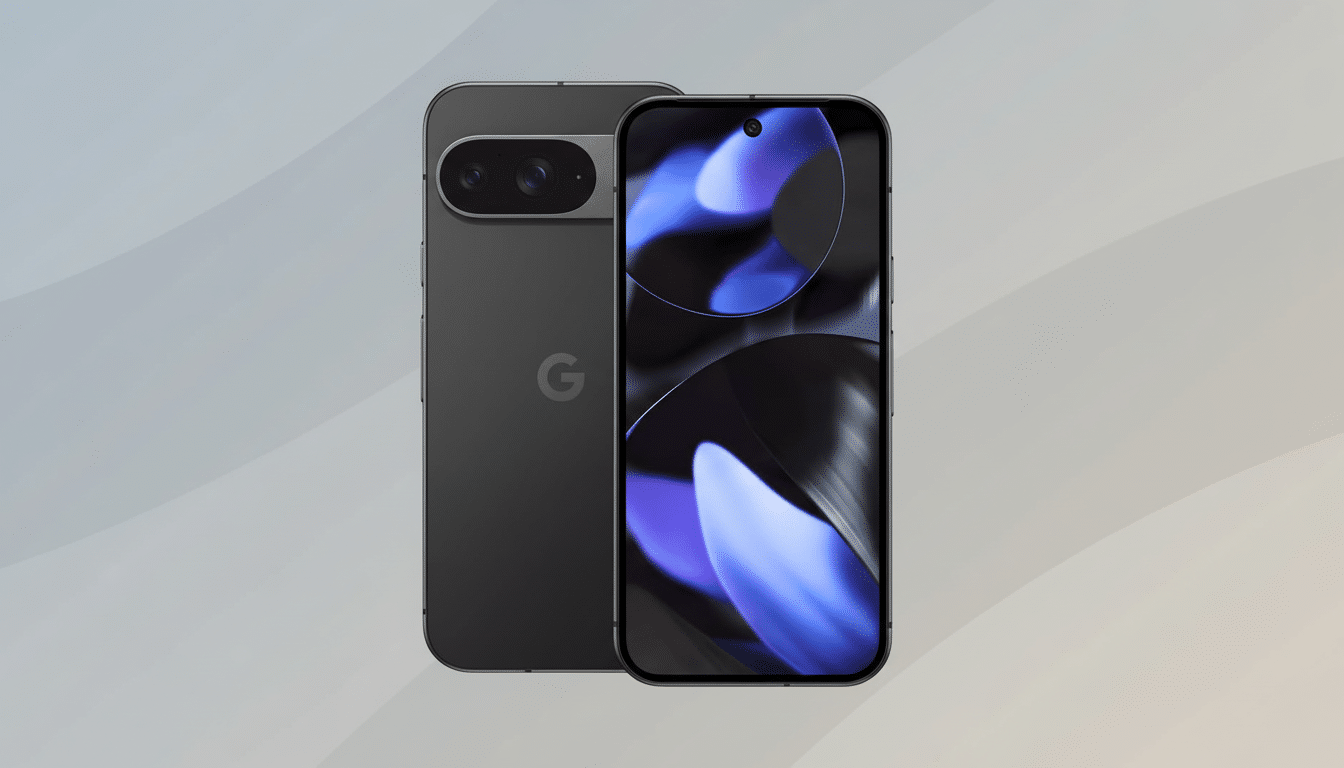
Google is quietly prepping Pixel 9 phones with a way to share files with iPhones in the same way AirDrop does, according to new system components for cross-platform Quick Share that have popped up in the latest Android Canary build. And it’s the clearest indicator yet that Google is taking its AirDrop-style interoperability — which it initially promised would launch on new-generation premium devices — and making it broadly accessible across new Android phone models.
The find suggests that the foundation is now in place with Pixel 9 firmware, even if the feature isn’t yet live for users and is not showing up on a number of other recent Pixels. That implies Google has been staging the rollout and validating device-specific behavior prior to making it available to more people.
What the Android Canary build shows about Quick Share
Within Android Canary build ZP11.251212.007, the Pixel 9 family adds Quick Share system files designed to be used for sending from Android to iPhone. Those elements were not in older firmware and still don’t exist in images that have been checked on the Pixel 8 and Pixel 8 Pro, helping to drive home that support is clearly still missing for older devices across the board. The Pixel 9a should also be skipping this early wave, at least for the time being.
This follows how Google historically ships complex features: add the plumbing to some number of devices, see if it performs and is reliable, grow from there. The same sequencing has taken place with features such as Ultra HDR, Circle to Search and some Pixel Feature Drops, in which the newest of new devices is the test lab before broader launches.
Your mileage may vary with these files. Google often flips server-side flags or obfuscates UI hooks in pre-release builds until quality bars are hit. Nevertheless, the inclusion is a strong indicator of ongoing development to deliver iPhone compatibility ahead of schedule for the Pixel 9 series.
How cross-platform Quick Share is supposed to work
On Android, the Quick Share feature will generally utilize Bluetooth Low Energy for discovery and then negotiate a high‑speed peer‑to‑peer Wi‑Fi connection to perform the actual transfer. Apple’s AirDrop does something similar, combining Bluetooth discovery with a proprietary peer‑to‑peer Wi‑Fi layer. Google has noted that it is working with Apple to make these experiences compatible, which suggests common discovery signals and a secured, mutually intelligible transport.
From a user perspective, the flow should be familiar: choose a photo or file, tap Share, select an iPhone nearby, and confirm on the receiving device. Behind the scenes, contemporary implementations tend to rely on encrypted connections and rotating identifiers to keep users anonymous. Expect Google to have some visibility controls (Everyone, Contacts, or Hidden) in place, which would echo the familiar protections of AirDrop and minimize any drive‑by spam.
Hardware differences probably won’t be the primary gating factor. Some Pixels contain ultra‑wideband radios, but peer‑to‑peer Wi‑Fi and Bluetooth LE are the key enablers here, and those features are standard on modern phones. This staggered approach seems more like a software readiness and certification process rather than any kind of hard hardware mandate.
Which Pixel models might see it and when to expect it
Based on the latest evidence, the Pixel 9 line will be first in line, with the 9a and older models getting their turn later.
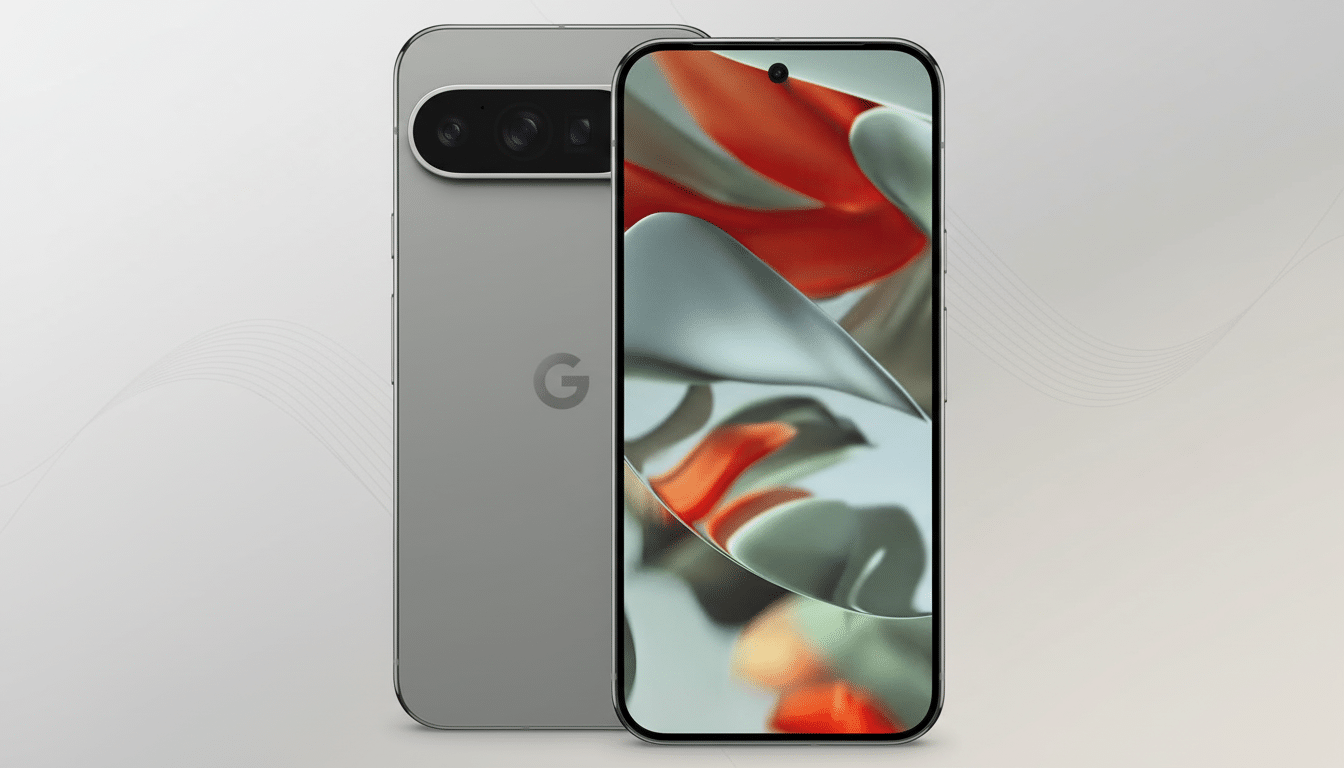
Google previously stated it would support more Pixel devices over time and has not released an exhaustive device matrix. The fact that the required files aren’t in Pixel 8 series firmware today doesn’t mean it won’t be supported later — it just suggests that the necessary plumbing hasn’t been laid out.
In terms of when it happens, it could be a Quarterly Platform Release or the one after that, depending on how testing goes and also whenever Apple flips its switch.
Google has a history of gating cross‑ecosystem features behind the two sides being in sync, so don’t be surprised if this ships via some combination of a system update, Google Play services, and server‑side enablement.
Why cross‑platform sharing matters to Android and iPhone users
That seamless Android‑to‑iPhone sharing solves a daily need for mixed‑device households, classrooms, and workplaces.
Today, many people send files through messaging apps, email, or the cloud — workarounds that add friction to sharing large files or media, get in the way of sharing text‑based documents, and are limited by device storage and network data plans. Device‑to‑device transfers are faster and lossless, especially on big video files and raw photos.
The stakes are large. Worldwide, Android runs on far more smartphones; iPhone holds an outsize share in markets such as the United States. Trackers like StatCounter and Counterpoint Research are among standard suppliers that show Android ahead worldwide while iOS is the main option in the U.S. Interoperable sharing alleviates platform lock‑in pain, letting teams pick phones based on their strengths rather than compatibility concerns.
What to watch next as Google tests cross‑platform Quick Share
Pixel 9 owners who have signed up for pre‑release software should keep an eye out for new prompts to use Quick Share, visibility settings mentioning iPhone, or updated system services related to sharing. Release notes in future Quarterly Platform Releases and Pixel Feature Drops may indicate broader availability.
Meanwhile, the build ZP11.251212.007 is a good bet: Google is building the groundwork for AirDrop‑like Quick Share on Pixel 9. When the company completes end‑to‑end testing — and Apple’s end is also ready — cross‑platform, tap‑and‑go sharing should finally be routine instead of an occasional thing.
