


For years, artificial intelligence lived on screens and in the cloud. Now it’s stepping into the physical world. From warehouse robots and autonomous vehicles to smart glasses that see what you see, “physical AI” is the label the industry is rallying around for machines that can perceive, reason, and act in real environments. It’s not a buzzword for tomorrow — it’s already embedded in devices you can buy today.
What Physical AI Actually Means in Plain Terms
Physical AI fuses three capabilities: multimodal perception (cameras, microphones, depth, radar, and more), on-device reasoning (language and vision models with memory and planning), and control (motors, manipulators, or system actions). The difference from traditional automation is agency. Instead of executing preprogrammed steps, a physical AI system interprets context and adapts — much closer to how people operate in messy, unpredictable settings.
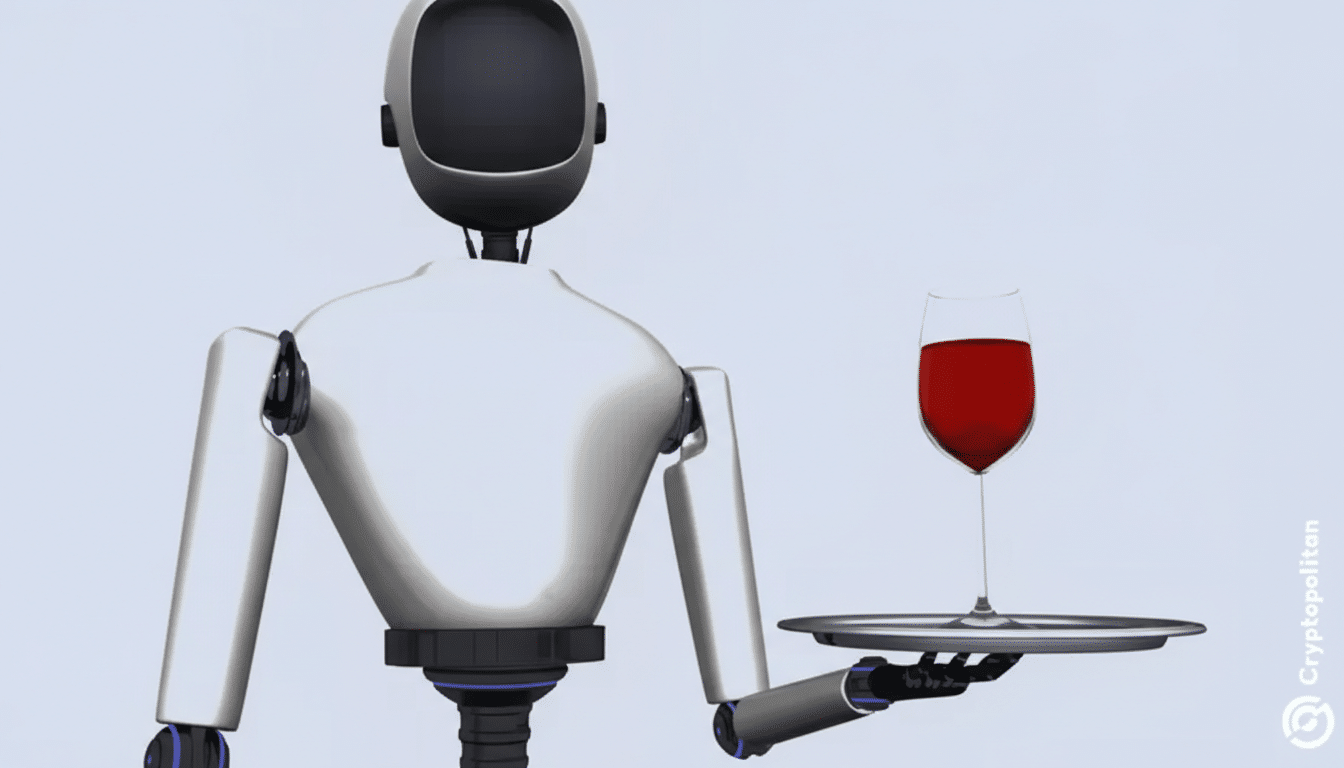
Think of a mobile robot navigating a crowded store; a home device that understands your request in the context of what its cameras and sensors “see”; or smart glasses that translate text on a sign and then suggest the right bus to catch. The goal isn’t sci‑fi humanoids for their own sake. It’s machines that can help with real work, safely, reliably, and without constant cloud connectivity.
Why It Feels Suddenly Everywhere in Tech
Three forces converged. First, generative and multimodal models got far better at linking language with vision and action. Second, the edge hardware to run those models locally arrived: neural processing units in phones, wearables, and robotics modules. Third, developers gained industrial‑grade tools for simulation and testing, so they can train and validate systems before they touch the real world.
At major tech shows, chipmakers and platform providers have been remarkably aligned on this direction. Nvidia has pushed robotics stacks and simulators that let developers create lifelike training scenarios. Qualcomm is courting headset, wearable, and robotics makers with low‑power AI platforms designed for real‑time perception at the edge. Even in the smartphone world, on‑device AI is taking center stage, with premium devices now running vision‑language models without a network connection.
The Edge Hardware Making It Possible Today
The leap is as much about power budgets as computations. Modern smart glasses, pins, and earbuds have only milliwatts to spare, so specialized NPUs and efficient multimodal models are non‑negotiable. In robotics, compact modules like Nvidia’s Jetson Orin deliver up to hundreds of TOPS in a palm‑sized package, enabling real‑time vision and planning on mobile platforms that run for hours, not minutes.
On the consumer side, headworn devices show the clearest path: cameras and microphones provide constant context, local models parse what’s happening, and the device quietly suggests or executes actions. That could mean summarizing a whiteboard, reading nutrition labels, or providing step‑by‑step guidance during a repair. The best systems will be ambient — helpful without being intrusive — and will degrade gracefully when they’re offline.
Data Is The Bottleneck And The Breakthrough
Large language models thrived because the web supplied oceans of text. The physical world has no such centralized corpus. Robots need grounded, labeled, and diverse sensor data — with all the edge cases that reality throws at you. That’s why simulation matters. Platforms such as Nvidia Isaac Sim and industry digital twins let teams generate scenarios at scale, then transfer those lessons into the field.

There’s also a flywheel emerging between wearables and robots. Wearables can collect anonymized, consented, real‑world perspectives — what people look at, what they ask, how they move — to help teach robots what matters. Robots, in turn, generate new data as they operate, strengthening models for both categories. Done right, it’s a virtuous cycle that accelerates learning without sending every frame to the cloud.
Proof It’s Already Here Across Industries
The International Federation of Robotics reports a record operational stock of industrial robots in the millions, with annual installations reaching new highs. Many are gaining AI perception upgrades, letting them handle varied parts and unstructured bins. In mobility, autonomous systems combine cameras, lidar, radar, and foundation models to navigate complex streets, while advanced driver assistance uses similar stacks to reduce collisions and fatigue.
In homes and offices, vision‑enabled vacuums avoid cords and pet messes, delivery robots traverse sidewalks, and security cameras perform on‑device person and package detection. The same core ingredients — multimodal sensing, compact models, and low‑latency control — power all of them. It’s not a single gadget trend; it’s a platform shift.
Privacy, Safety, And The Rules Of Engagement
Physical AI lives close to people, so trust is existential. On‑device processing reduces how much raw audio and video ever leaves a device. Federated learning and differential privacy can improve models while keeping personal data local. Expect explicit opt‑ins, visible recording indicators, and hardware kill‑switches to become standard.
Regulators are watching. The EU’s AI Act puts stricter requirements on high‑risk systems, while U.S. agencies such as NHTSA and the FAA are shaping rules for automated driving and drones. The bar will keep rising on validation, fail‑safes, and incident reporting — which is good for the industry if it wants broad public adoption.
What Changes Next For You In Daily Life
Near term, expect smart glasses and pins that act like a second pair of eyes and ears, context‑aware assistants inside cars, and service robots that can stock shelves or move totes alongside workers. The best experiences will feel less like chatting with a bot and more like collaborating with a capable teammate that understands the scene.
That’s the real “deal” with physical AI. It’s not just bigger models — it’s AI grounded in the world, running at the edge, and measured by tangible outcomes. The companies that win won’t just show demos. They’ll ship devices that respect privacy, handle edge cases gracefully, and prove their value day after day in the places we actually live and work.
