


Pebble has returned with a familiar name. Pebble’s new Round 2 brings back the fan-loved circular smartwatch, this time with a more spacious screen, slimmer bezels, and a claimed 10–14 days of battery life, all while keeping to the brand’s design philosophy that transformed it into a cult favorite.
Rather than playing spec-chasing games, the Pebble is tripling down on glanceable information, simplicity, and discreet comfort. At $199 for preorders, the Round 2 undercuts mainstream competitors and appeals to folks who’d like a watch that looks like a watch, remains readable in blinding sun, and doesn’t demand your attention every night at bedtime.
What’s new and what stayed unmistakably Pebble
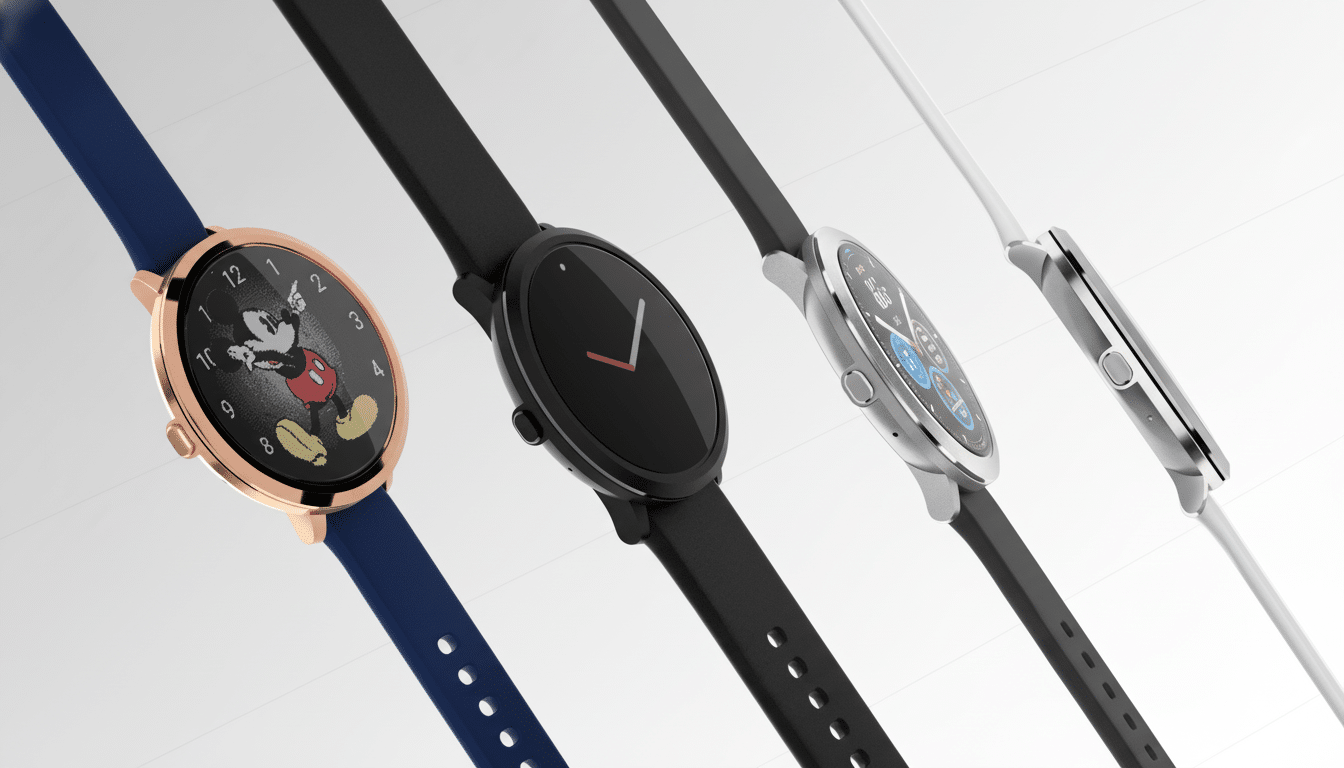
It inherits the light stainless-steel case and skinny profile of its chunky-bezel predecessor, but loses those enormous bezels. And the result is a cleaner face and more screen real estate, for a design that only on closer scrutiny belies its real jewelry heritage. Available in gold, silver, and black (for the case), and then either a 14mm or 20mm band, options remain pretty basic with little added cost for customization.
Internally, Pebble sports a color memory-in-pixel e-paper display with 30–40 frames per second. That is a significant leap for e-paper and it means playful animations, lively watch faces, and yet reference-beating endurance are all possible. Most importantly, the display is always on and easy to read in broad daylight or without casting an annoying glow in a dark room — precisely what Pebble aficionados value.
Battery over bells and whistles: endurance first
Pebble says the Round 2 can last up to around 10–14 days on a single charge, compared to rival smartwatches which tend to need recharging on a daily basis. For context, Apple’s models are generally rated for about a day per charge and many Wear OS watches fall in the one- to two-day range with always-on modes active. Units from Garmin and Withings can stretch that time unit to multi-week territory by employing low-power displays, a playbook Pebble has wisely emulated.
Feature-packed: When it comes to features, Pebble avoids the temptation to cram in sensors. There is basic tracking for steps and sleep in here, as well as a level of notification mirroring and very limited support for simple apps and watch faces via the Pebble store. The Round 2 lacks a heart-rate monitor, so this is clearly not a fitness-first watch. That decision helps keep costs low and battery life high, perfectly in line with Pebble’s “do a few things really well” ethos.
A comeback that started in the community
The original Pebble was among the smartwatches that helped establish the modern category before being bought by Fitbit, which in turn has become part of Google. In the meantime, it was the Rebble community that kept Pebble’s software services up and running, which meant thousands of watch faces and apps remained in active use. Continuity is significant here: Round 2 is drawing from a well of existing content that mixes together nostalgia-infused works and original designs, making for a day-one library rather than starting from scratch.
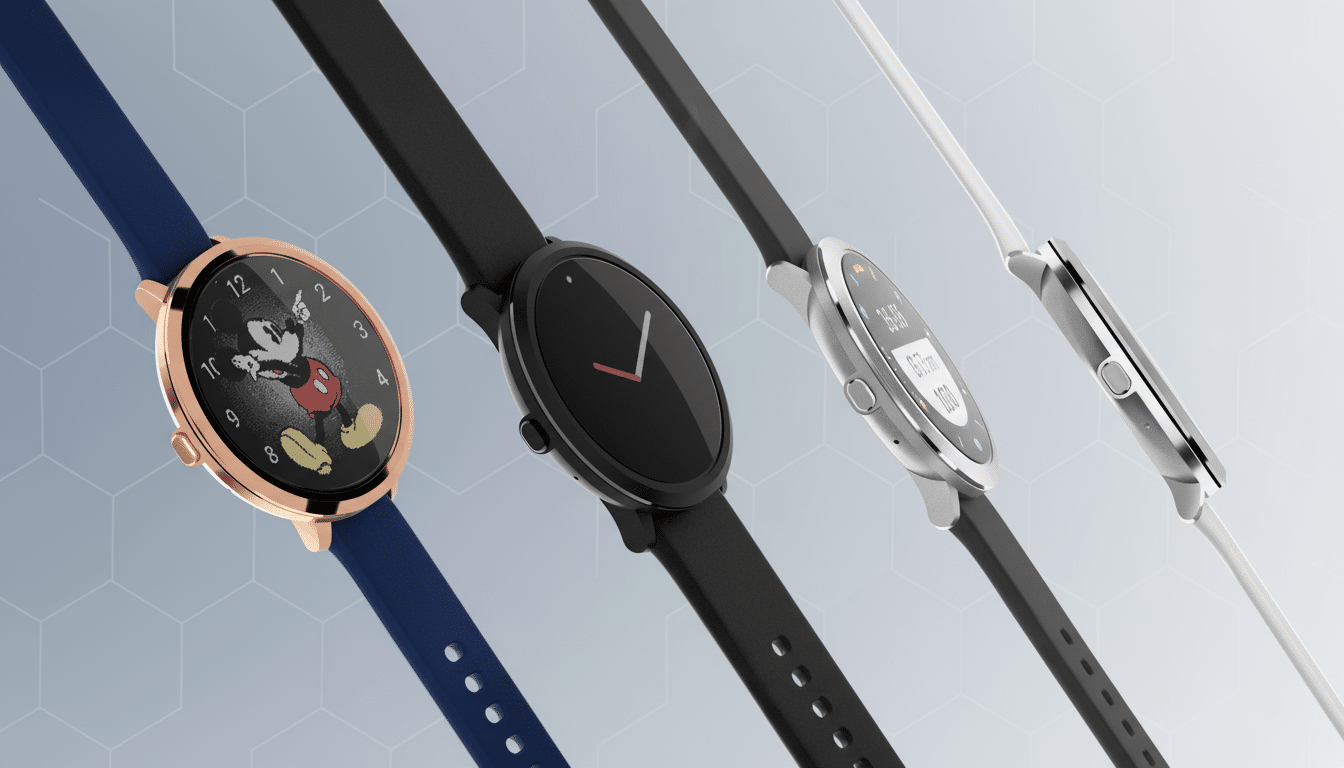
Co-founder Eric Migicovsky has framed the reborn Pebble as an antidote to notification overload and anxiety over battery life. The Round 2 is currently the third item in the series, alongside the Time 2 smartwatch and Index 01 smart ring. The Time 2, at $225, gives the Time 2 a heart-rate sensor and stretches battery life even longer — into multiple weeks — while the ring tests out lightweight, glanceable input for note-taking.
How it stacks up in a competitive market
Round 2 waits in the wings: clarity and longevity, not maximal health metrics. That makes it different from Apple and Samsung, which highlight ECG, fall detection, and tight phone connections but frequently with a compromise on run time. Garmin’s endurance champs employ transflective screens and run deep on training features, but they are bulky, techie gadgets. Pebble’s lane is the timepiece for everyday use that doesn’t nag, to match in style and stay suave in a meeting or on weekend walks.
From a usability perspective, an always-on e-paper display solves two common criticisms of smartwatches: how they are hard to see in sunlight and how their bright OLED displays kill battery life. Memory-in-pixel panels refresh selectively so notifications and widgets can update fluidly while the watch sips power. For some buyers, that trade-off — less stark contrast than with OLED, but considerably better endurance — will be a welcome one.
Price and availability and the bottom line
Priced at $199, the Pebble Round 2 comes in far beneath premium wearables with its own unique value proposition: two weeks on a charge, an always-on color e-paper display, and a design that focuses more on subtlety than screaming specs. Preorders are live, and shipping will start soon. For people who want heart rate monitoring and even more battery life, there’s the $225 Time 2.
That Pebble was one we loved for frictionless glanceability, fun watch faces, and a long battery life that meant you could go on vacation without packing your charger — all of which the Round 2 offers in spades.
In a market of sensor-laden superwatches, Pebble’s resurgence (ironic cozying up to Fitbit aside) is evidence that less can be more, especially when it lasts for days on your wrist.
