


Android heavyweights are testing square 1:1 front-facing camera sensors, a clever twist popularized by the iPhone 17’s new 18MP selfie unit. The idea is simple but impactful: capture a square feed, then crop on the fly for portrait or landscape shots without rotating the phone. Expect early moves from OPPO at the flagship tier and Huawei in its camera-centric mid-range.
What a Square Sensor Really Changes for Selfies
Traditional selfie cameras capture in 4:3 or 16:9. A square sensor records more scene in both axes, letting the camera app crop a perfect vertical or horizontal frame instantly. That means group selfies, vlogs, and video calls can switch orientation without the awkward shuffle of rotating the device.
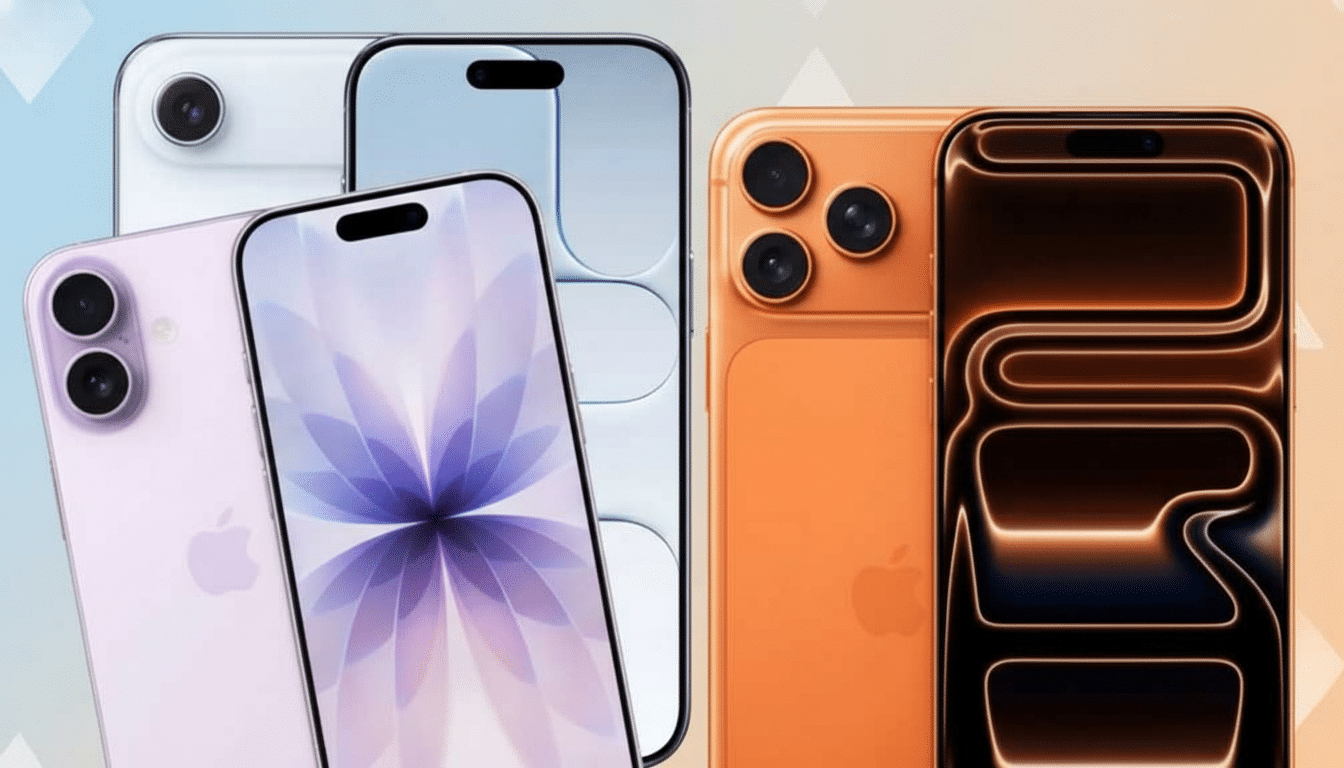
An 18MP square sensor roughly translates to a ~4K-wide crop for either orientation, leaving ample pixels for electronic stabilization and face tracking. This also reduces framing mistakes: creators can compose once and decide aspect ratio later, with fewer retakes.
Who Could Ship It First: OPPO and Huawei
Well-known tipster Digital Chat Station reports that OPPO is trialing a square 1:1 selfie sensor for a future Find X flagship, with chatter pointing toward the Find X10 family rather than the next immediate release. Huawei is said to be working on a similar approach for its photography-focused Nova line, likely the Nova 16 series.
The split is telling. OPPO appears poised to debut the feature at the premium end where computational imaging investments pay off quickly, while Huawei’s Nova strategy hints at rapid mainstream adoption. If both land, other Android brands rarely sit out for long.
Why Android Wants In Now With Square Selfie Sensors
Short-form video has pushed vertical-first capture into the mainstream, yet landscape is still standard for YouTube and many pro workflows. A square sensor satisfies both without compromises, ideal for creators who cross-post. data.ai and other analytics firms have consistently highlighted time spent in vertical video apps, while YouTube remains dominant for long-form—phones must serve both worlds.
Hardware also caught up. 4K front video, stabilized selfie footage, and advanced face tracking are table stakes on top phones from Apple, Samsung, and Google. A square sensor aligns perfectly with these trends, giving software more pixels for reframing, horizon leveling, and multi-subject recognition.
The Technical Trade-offs of Square Selfie Sensors
Don’t expect a square hole on the display. Lenses project a circular image and punch-holes remain round; the square lives on the sensor die under the hood. The challenge is ensuring the lens’s image circle cleanly covers the square without vignetting and with edge-to-edge sharpness—no easy feat given the tight depth constraints of front modules.
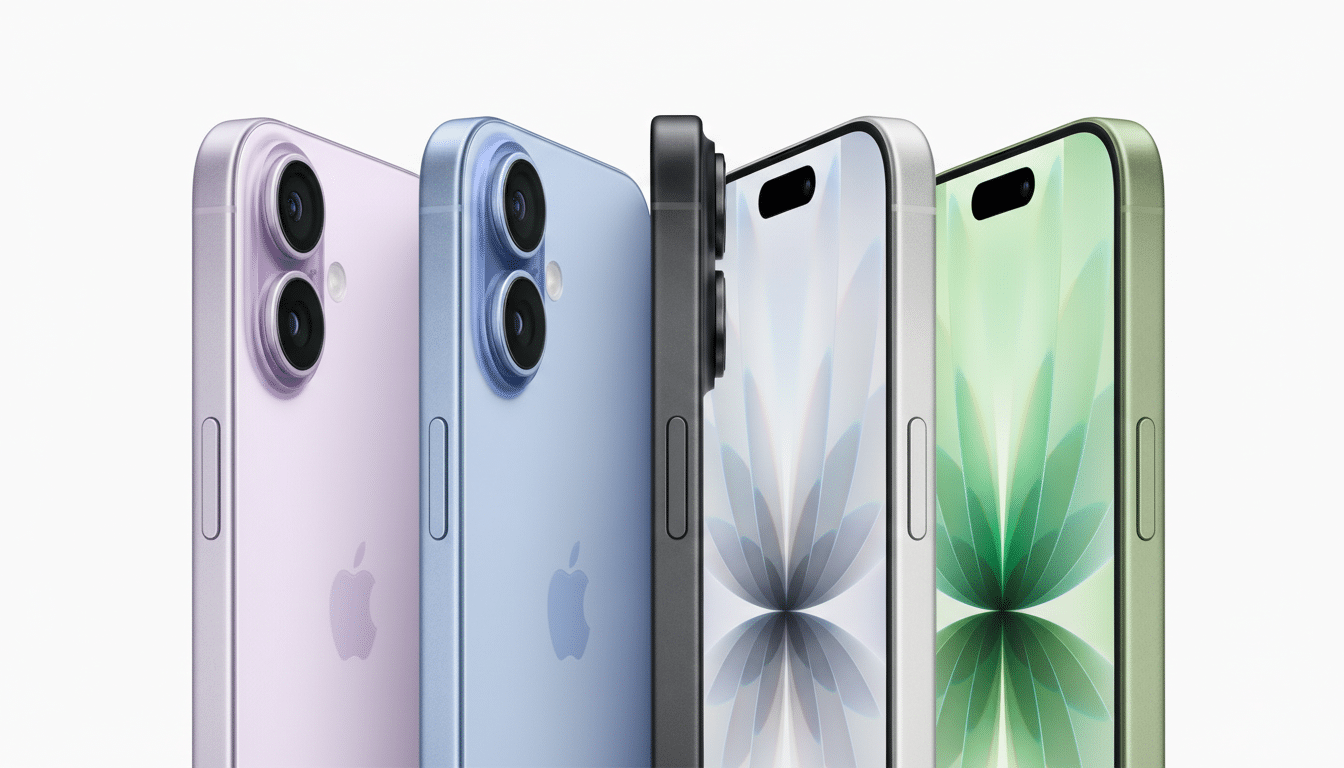
Pixel size and readout speeds matter. An 18–20MP square sensor likely uses small pixels with aggressive binning to keep low-light selfies clean. Image signal processors from Qualcomm, MediaTek, and custom silicon must support square native readouts and intelligent crops to 9:16 or 16:9 with minimal latency. Suppliers such as Sony and OmniVision already ship unconventional aspect-ratio sensors on the rear; bringing that maturity to the front is the logical next step.
Battery life is a consideration too. Maintaining a larger active area and running stabilization across both axes can increase ISP workload. Efficient pipelines and adaptive frame processing will be key to avoiding thermal throttling during extended vlogging or live streaming.
How It Compares to Apple’s Square Selfie Strategy
Apple’s latest front camera leans on an 18MP square readout to make orientation-agnostic capture seamless, echoing the company’s auto-framing philosophy seen on other devices. Android vendors will likely differentiate with tuning and features—think granular field-of-view controls, AI-guided reframing, and pro-grade video tools that lock exposure and white balance across orientation changes.
Expect Android camera apps to integrate creators’ workflows deeply: one-tap exports in multiple aspect ratios, simultaneous dual-orientation recording, or automated edits that produce platform-ready clips for Reels, Shorts, and TikTok without manual cropping.
What to Watch Next as Square Selfies Hit Android
Keep an eye on OPPO’s next Find X launch cycle and Huawei’s Nova announcements. Look for mentions of 1:1 sensors, orientation-free selfies, or square capture in promo materials. If early results impress, competitors like Xiaomi, vivo, and Samsung could follow quickly, accelerating a new norm for front cameras.
A square selfie sensor sounds like a small tweak, but it could reshape everyday shooting. If Android makers nail the optics and software, the front camera may finally get the same kind of thoughtful innovation the rear array has enjoyed for years.
