


OpenAI has now announced GPT‑5.2, the newest member of its leading model family and a pointed effort to increase accuracy and utility for professional work beyond that currently levelled by Microsoft’s top models. Rollout starts today for paid ChatGPT plans, though this announcement is being framed by the company as a conspicuous stride forward on coding, math and science problem‑solving, image understanding and tool‑using “agentic” tasks.
The GPT‑5.2 family comes in three flavours — Instant, Thinking and Pro — designed to suit different levels of processing desire. OpenAI’s own documentation describes it as “the most capable” series it has shipped for knowledge work, and the early numbers it released indicate a material decrease in hallucinations combined with improved performance on standardised benchmarks.
What GPT‑5.2 is and how it elevates coding and analysis
GPT‑5.2 is a suite of large models that cater to both speed‑sensitive chats, deeper analytical sessions, in addition to more heavy professional‑grade work.
The Instant is all about speedy responses, Thinking for more thoughtful reasoning, and Pro as the high‑end choice aimed at multi‑step tasks. Some highlights in this release, according to OpenAI, include:
- Better math and science accuracy
- Improved assistance regarding coding
- More powerful vision features
- Stronger support for multi‑tool workflows
These are the kinds of tasks where models formulate steps, call out to external tools and keep results reconcilable.
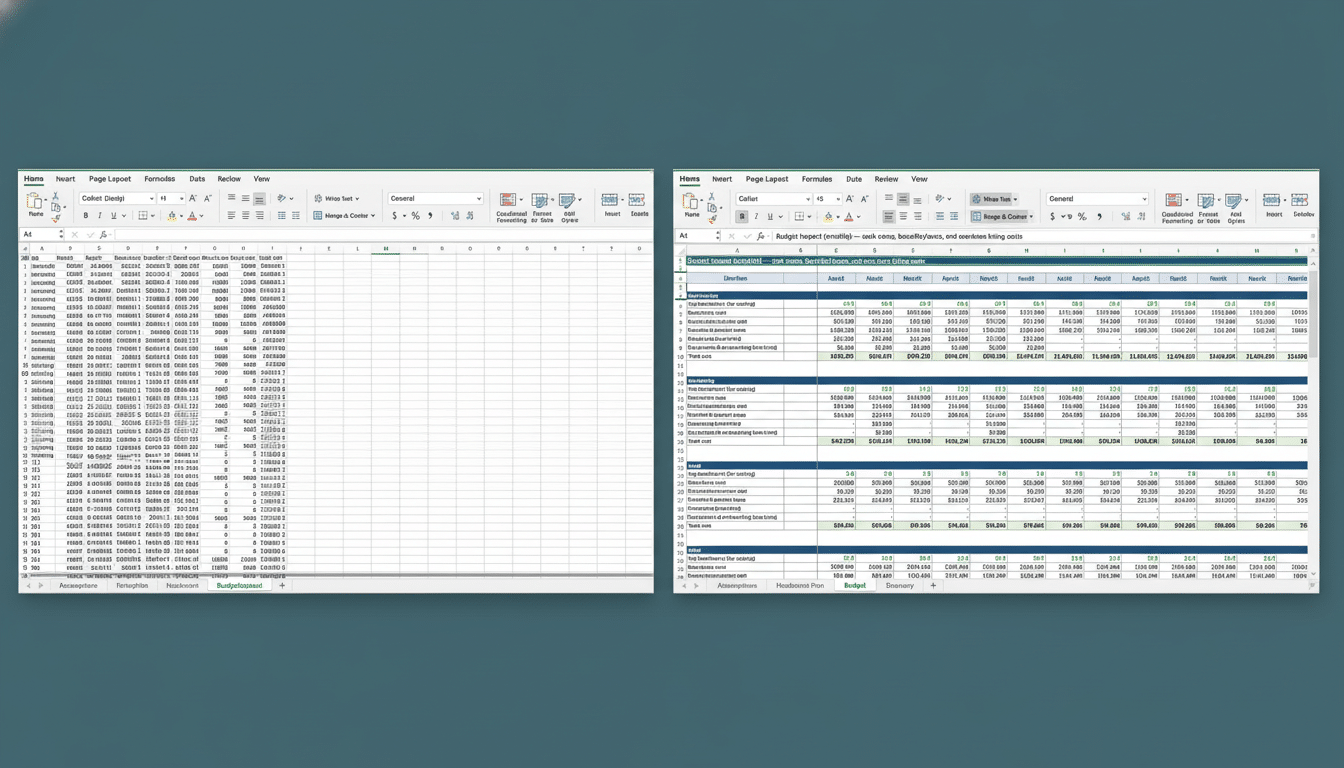
One practical upgrade: spreadsheet fluency. OpenAI also says that GPT‑5.2 is more capable of understanding, creating and debugging spreadsheet formulas and tables — which matters for analysts, as well as many operations folks who live in cells and pivots all day.
What’s new under the hood of GPT‑5.2 and benchmark gains
OpenAI claims an average hallucination rate of 10.9% for GPT‑5.2 Thinking, as opposed to 16.8% for GPT‑5 Thinking and 12.7% for GPT‑5.1 Thinking. This further drops to 5.8% when the model is free to search the web. Any given figure is of course a function of how tests are constructed, but the trend itself is striking and reflects a broader industry movement toward down‑and‑dirty, source‑aware answers.
On benchmarks, OpenAI reports improvements in coding, STEM tasks (science, technology, engineering and math) and agentic work that involves third‑party tools. Some of the first community leaderboards to rank models like LMArena’s coding ranking are already placing GPT‑5.2 toward the top, but independent labs and academic groups like Stanford Center for Research on Foundation Models typically spend weeks validating vendor claims across a range of workloads.
How to try GPT‑5.2 across ChatGPT paid plans and options
- It starts with paid plans for ChatGPT: Plus, Pro, Go, Business, and Enterprise.
- Choose GPT‑5.2 (Instant/Thinking/Pro) in the model picker.
The availability is rolling out gradually, so if you don’t see it yet be sure to check again as OpenAI staggers deployments in order to keep the service stable.
OpenAI says GPT‑5.1 will be under “legacy models” for about three months before it’s retired, allowing teams time to compare outputs and migrate prompts.
If you also depend on tools or doing some web browsing, then allow your mind to wander a little and benefit from the cited decrease in hallucinations. You might test common spreadsheet‑heavy tasks — like formula fixing, data cleaning and pivot suggestions — to see if GPT‑5.2 is better than your current workflow.
Safety and mental health guardrails added in GPT‑5.2
OpenAI says it has made responses more supportive in certain sensitive topics, including prompts that indicate a risk of self‑harm and experience with mental health or unhealthy emotional reliance on the model. The company says it has “fewer undesirable responses” in GPT‑5.2 Instant and Thinking than in previous releases. The move comes amid criticism of the safety practices of AI assistants, including media reports which detail lawsuits that claim the tech has made harmful suggestions; it adds pressure on vendors to show quantifiable, externally verifiable improvements in crisis‑related scenarios.
Why GPT‑5.2 matters for users and enterprise adoption
ChatGPT is still the most popular virtual assistant and has been used by hundreds of millions of people each week, according to third‑party estimates. That scale makes any quality bump have outsized effects. Competition, meanwhile, is heating up as competitors like Google make new rounds of demand for the Gemini family and media models such as Veo. And in that environment, fewer hallucinations, better coding and more powerful agentic behavior become not niceties — they’re table stakes for enterprise adoption.
The rubber hits the road here: how GPT‑5.2 consistently upgrades everyday tasks, from distilling research summaries to writing production‑quality code. The system card and model documentation have been released, and will be independently evaluated in the coming weeks to see how much these claims hold up given real workloads.
