


After running controlled battery trials on 17 current smartphones, one device separated itself from the pack. The OnePlus 15 not only outlasted rivals in a demanding video playback run but also matched the best performers in a real-world mixed-use routine, underscoring how cutting-edge battery chemistry and software tuning can translate into day-to-day staying power.
How We Tested Battery Life in Controlled, Repeatable Trials
To capture consistent, comparable results, we used two repeatable protocols. First, a video playback test: a three-hour YouTube stream with screen brightness locked at 100%, auto-brightness and dimming disabled, Wi-Fi only, notifications off, volume at 50%, and the highest refresh rate enabled. Battery level was recorded after one, two, and three hours.
Second, a 30-minute mixed-use test mimicking a typical half hour of phone use: 10 minutes of social browsing (Instagram and Reddit), 10 minutes of gaming (Asphalt 9), and 10 minutes of video calling (Google Meet on both iOS and Android). We then tracked remaining battery to gauge efficiency under common, high-drain tasks.
The Clear Winner: OnePlus 15 Leads Both Battery Trials
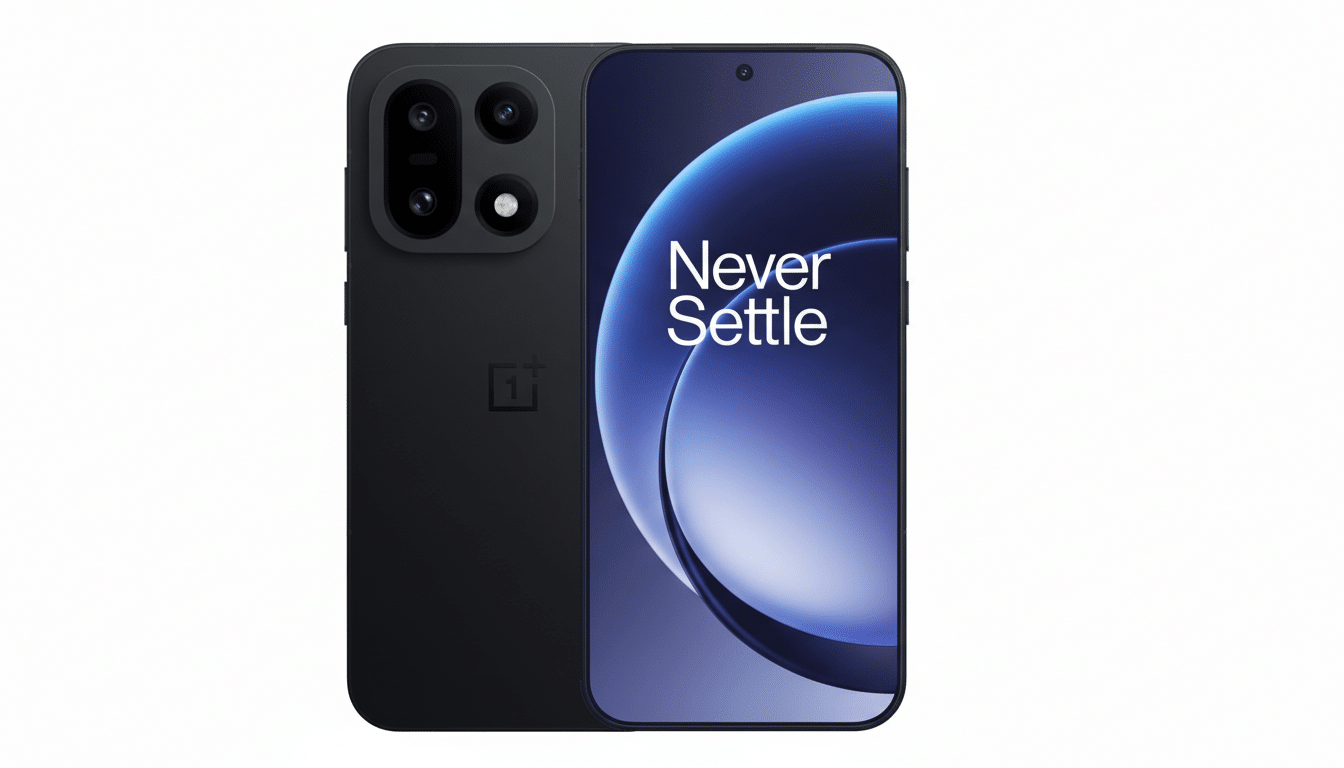
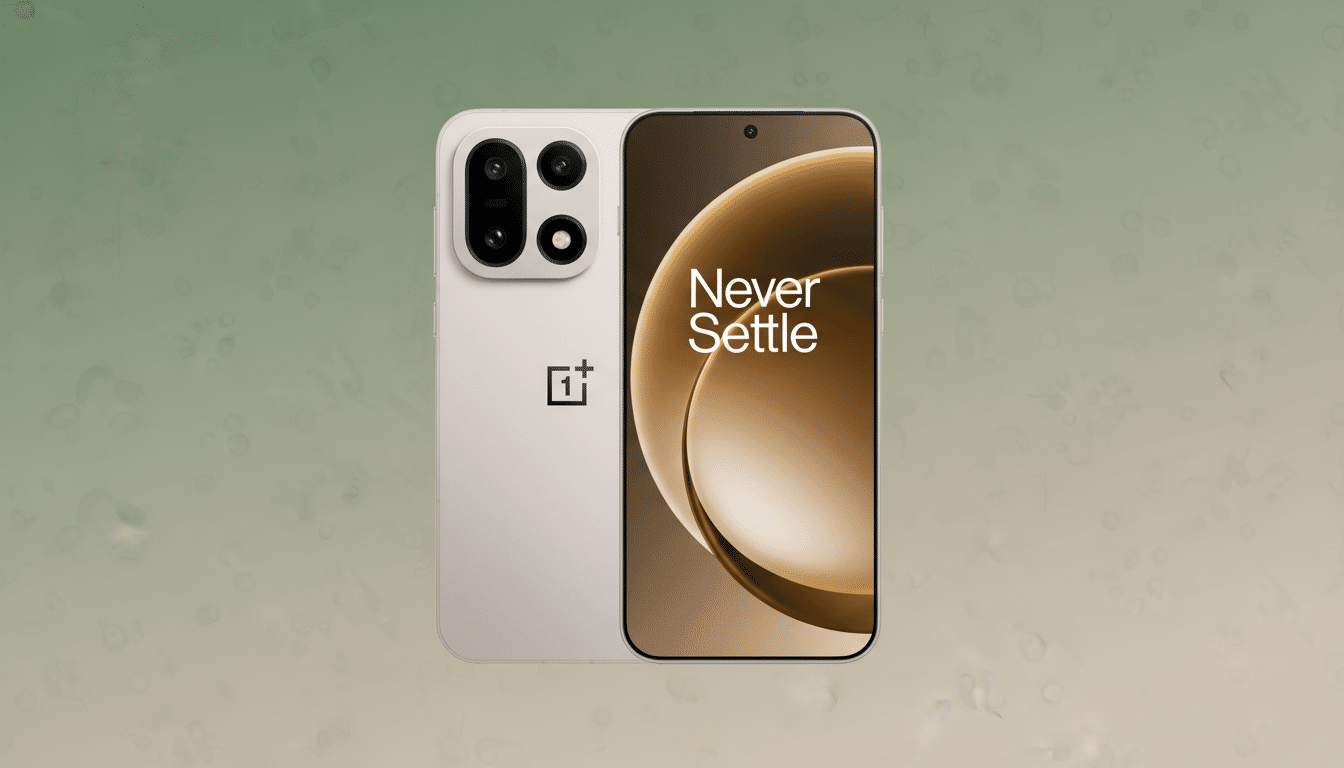
The OnePlus 15 led both trials. In the video test, it retained 98% battery after one hour, 94% after two hours, and 89% at the three-hour mark—tops among all 17 phones. In mixed use, it finished the 30-minute routine with 98% remaining, the highest figure recorded.
A key differentiator is its silicon-carbon battery architecture, which enables higher energy density in a similar footprint to conventional lithium-ion cells. Research highlighted by IEEE Spectrum and recent materials studies in journals such as Nature Energy note that silicon-enriched anodes can store more charge but require sophisticated management to curb swelling and degradation. The OnePlus 15’s results suggest its power management is effectively capitalizing on that chemistry without obvious trade-offs.
Strong Runners-Up: Apple’s iPhone 17 Lineup Nears the Top
Apple’s iPhone 17 family trailed by a razor-thin margin in our averages. Across the three iPhone 17 models tested, the mean remaining battery after the mixed-use drill was 97.3%, just behind OnePlus’ 97.5% average. The iPhone 17 Pro Max specifically tied the OnePlus 15 in the 30-minute mixed-use test, reflecting Apple’s tight control over background processes and efficient silicon.
Apple’s historical focus on aggressive memory and background task management continues to pay dividends. Coupled with the largest battery in the 17 Pro Max line and maturing 3 nm-class chip efficiency, the phone’s drop during strenuous, short-burst activity was among the smallest we measured.
Where Other Flagships Landed in Video and Mixed-Use Tests
Samsung’s Galaxy S25 Ultra secured fourth place in video playback and held 96% after the mixed-use sequence—solidly in flagship territory. That aligns with independent lab trends from organizations like Consumer Reports and GSMArena, which often find Samsung’s top-end models balancing endurance with high-refresh displays and advanced camera pipelines.
Not every premium device excelled. The Motorola Razr posted the lowest remaining battery in the video test, and Google’s Pixel 10 Pro Fold also underwhelmed. Foldables face unique constraints: thinner chassis for inner and outer screens, hinge hardware, and power-hungry large panels leave less room for battery capacity, a compromise reflected in extended playback drains.
What the Numbers Mean for Buyers Comparing Battery Life
On average, a modern smartphone can last around 22 hours on a single charge in everyday use, but our lab runs stress devices in consistent, repeatable ways to surface differences you might feel over a long commute, back-to-back meetings, or a flight. Your mileage will vary based on app mix—social apps, constant camera use, or turn-by-turn navigation can spike consumption—along with network conditions, refresh rate, and whether 5G or Wi-Fi is active.
The headline takeaway is clear: if battery longevity is your top priority, the OnePlus 15 currently sets the bar, marrying an advanced cell with disciplined power management. Close behind, the iPhone 17 series demonstrates excellent mixed-use stamina with particularly strong standby characteristics. And while devices like the Galaxy S25 Ultra deliver dependable endurance, shoppers eyeing foldables should weigh design benefits against shorter runtime under sustained load.
As battery tech evolves—from silicon-carbon blends to emerging solid-state roadmaps tracked by groups like the U.S. Department of Energy and industry analysts at Counterpoint Research—endurance gaps could narrow. For now, our 17-phone shootout shows meaningful variance, and the OnePlus 15 stands at the top of the charge.
