


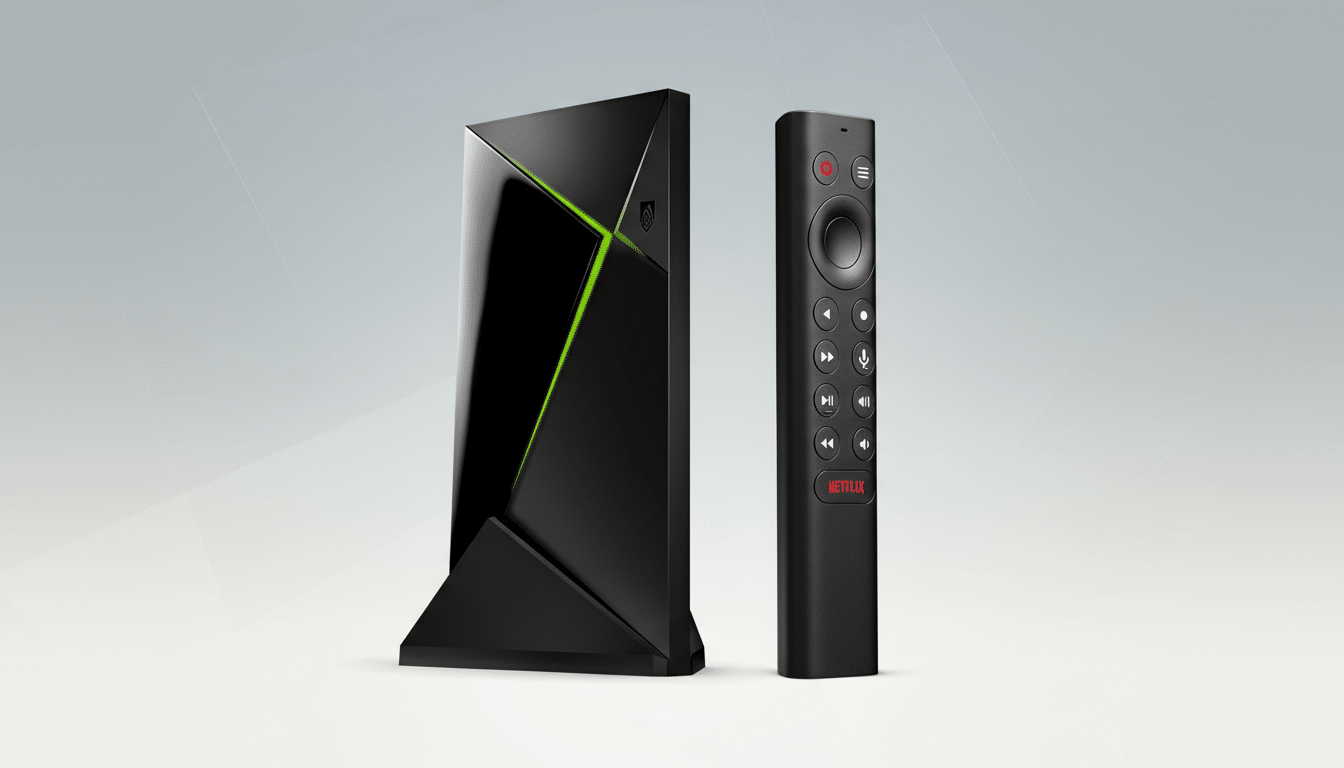
The Shield TV has gone half a decade without new hardware, yet it remains the default pick for power users who want more than a basic streaming stick. Now, after fresh hints from company executives in interviews, we have the clearest picture yet of where a next Shield could land: modern codecs, smarter connectivity, and refinements that lean into NVIDIA’s strengths in AI and gaming.
Next-Gen Codec Support and Better HDR Formats
Codec support is the headline upgrade. A future Shield is likely to embrace AV1 hardware decoding, closing the biggest gap with newer streaming boxes. AV1 has quickly become the preferred format for top platforms, with Netflix and YouTube citing substantial bandwidth savings—often 20–30% at similar quality—according to the Netflix Tech Blog and the Alliance for Open Media. That matters for 4K streams, congested home networks, and data-capped connections.
- Next-Gen Codec Support and Better HDR Formats
- HDMI 2.1 and Faster Wireless for Streaming
- More Muscle for AI Upscaling and Cloud Gaming
- Storage and I/O That Match Demanding Power Users
- A Smarter, Less Fussy Remote for Daily Control
- Software Support Remains The Differentiator
- How It Stacks Up Against Current Streaming Rivals
Expect VP9 Profile 2 support to enable proper YouTube HDR on-device, a long-requested capability among enthusiasts. Improved handling of HDR10+ and robust Dolby Vision profiles would smooth out app-by-app inconsistencies, reducing the guesswork that sometimes accompanies HDR playback on aging chipsets.
HDMI 2.1 and Faster Wireless for Streaming
The current Shield tops out at HDMI 2.0b. A new model that jumps to HDMI 2.1 would bring practical benefits: eARC for reliable lossless audio passthrough, Auto Low Latency Mode for cloud gaming, and headroom for high-frame-rate output when apps evolve. Variable Refresh Rate support could tame micro-stutter in select games and interactive apps.
On the network side, Wi-Fi 6E—or even Wi-Fi 7 on premium trims—would deliver lower latency and more consistent throughput, especially in crowded apartments. Amazon’s latest Fire TV Stick 4K Max already touts Wi-Fi 6E, and Roku’s higher-end gear has moved to more efficient radios. An upgraded Bluetooth 5.3 stack with LE Audio and Auracast would modernize wireless headphone support and multi-listener scenarios.
More Muscle for AI Upscaling and Cloud Gaming
NVIDIA’s AI-enhanced upscaler remains one of the platform’s signature features. A new Tegra-class SoC with stronger AI acceleration could push cleaner super-resolution at higher frame rates and reduce artifacts on compressed streams, especially with sports and live TV. Given NVIDIA’s broader advancements in AI video processing on the PC side, there’s room for a Shield that extends those gains to the living room without the soap-opera effect that turns purists away.
For gaming, the Shield has pivoted from local Android ports toward services like GeForce NOW and Steam Link. More CPU headroom, a faster video decoder, and HDMI 2.1 would better serve high-bitrate 4K streams and higher-refresh modes where apps support them. While NVIDIA hasn’t promised new hardware, company leaders have acknowledged that codec and gaming performance are core to any successor, as noted in recent reporting by Ars Technica.
Storage and I/O That Match Demanding Power Users
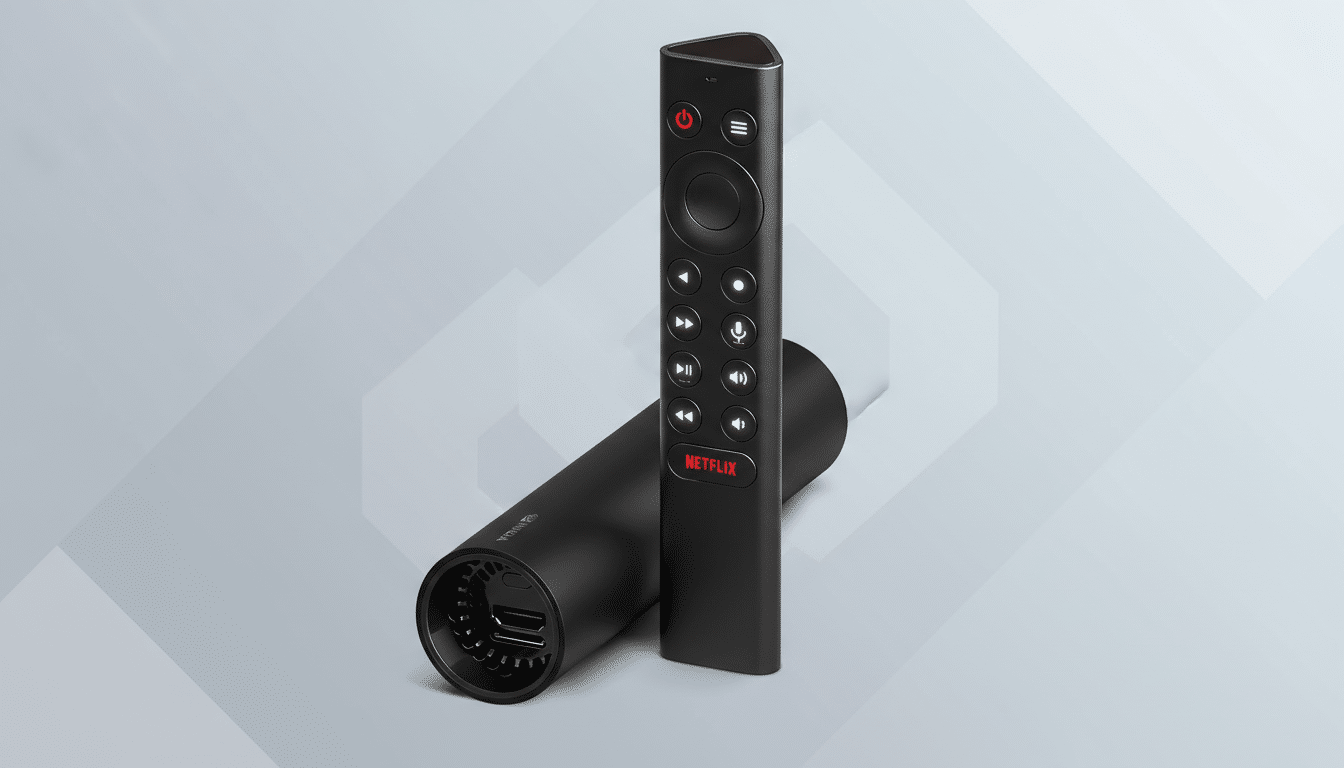
The 2019 Shield Pro’s 3GB RAM and 16GB storage are showing their age. A meaningful bump—to 4–6GB RAM and 32–64GB storage—would cut app reloads and reduce reliance on external drives. USB 3.x ports for fast adoptable storage should remain, and a USB-C port would modernize charging and accessories. Gigabit Ethernet is still fine for virtually all streaming, but a 2.5GbE upgrade would appeal to Plex heavyweights and local-media diehards with multi-gig networks.
A Smarter, Less Fussy Remote for Daily Control
Even NVIDIA’s own hardware chief has joked about the oversized Netflix button. Future remotes could scale that down and add configurable shortcuts without upsetting content partners. Backlit keys, a rechargeable battery via USB-C, and a “find my remote” chime are table stakes in 2026. Given rising smart home expectations, a built-in microphone array with better far-field pickup—and an IR blaster that plays nicely with soundbars and projectors—would make daily use simpler.
Software Support Remains The Differentiator
What sets Shield apart is longevity. The original 2015 model received years of major updates, a rarity in Android hardware. A new box would likely continue that tradition with brisk Android TV OS upgrades, tighter Google Assistant integration, and polish around HDR calibration and audio passthrough. Matter and Thread support could position Shield as a quiet smart home backbone, following the lead of other premium media hubs.
How It Stacks Up Against Current Streaming Rivals
Competitors have closed gaps while Shield sat still. Roku and Amazon already ship AV1-capable 4K devices, and Apple’s premium box sets the standard for smooth UI and robust HDMI 2.1 features. A new Shield that nails AV1, HDMI 2.1, faster Wi-Fi, and AI video upgrades—without compromising NVIDIA’s best-in-class support timeline—would reassert its status as the power-user pick.
Bottom line, the most realistic upgrades look less like a spec-sheet stunt and more like a thoughtful modernization: AV1 and VP9 Profile 2 for cleaner streams, HDMI 2.1 for audio and gaming headroom, faster radios, more memory and storage, and a remote that respects both ergonomics and ecosystem politics. If NVIDIA delivers that package, the Shield’s long reign could comfortably continue into another cycle.
