


New York is poised to become one of the largest U.S. markets to permit commercial robotaxis, as Governor Kathy Hochul readies legislation to allow autonomous ride services across the state with one big carve-out: New York City. The plan would advance the state’s autonomous vehicle program into limited commercial deployments, setting up a regulated path for companies like Waymo, Zoox, and Motional to operate outside the five boroughs while keeping the dense urban core under separate scrutiny.
What the Proposal Changes in New York’s AV Program
The forthcoming bill would expand New York’s existing AV pilot framework to enable “limited deployment” of for-hire autonomous passenger services beyond city limits. Applicants would need to show local support and meet stringent safety requirements, with oversight shared by the Department of Motor Vehicles, Department of Transportation, and New York State Police. While details are still emerging, the move signals a shift from testing toward early commercialization in carefully defined operating domains.
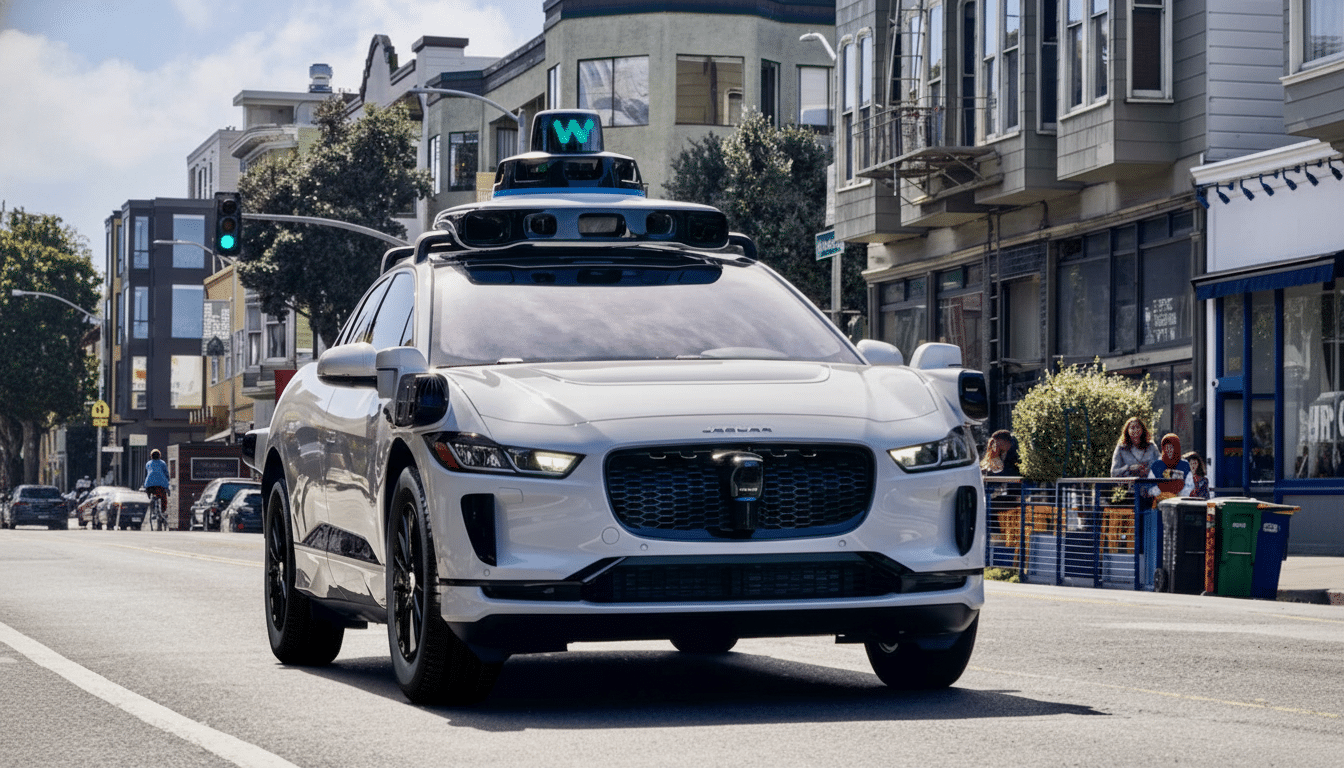
A key technical hurdle addressed by the proposal is New York’s Vehicle and Traffic Law Section 1226, which effectively requires drivers to keep at least one hand on the wheel. That rule has long blocked driverless operations. The new framework would carve out a legal lane for vehicles with no human at the controls, provided they satisfy state safety, reporting, and insurance standards.
Why New York City Is Excluded from the Initial Rollout
New York City’s streets are among the most complex in the world: heavy pedestrian activity, dense cycling traffic, freight and ride-hail surges, and a street grid that changes by the hour. The city’s Taxi and Limousine Commission (TLC) also exerts unique authority over for-hire services. Even with a state green light, operators would still need TLC approval to carry passengers or collect fares in the five boroughs. Keeping NYC out of the initial phase lets the state test and refine rules in less chaotic environments before tackling the country’s most challenging urban proving ground.
The opt-out also aligns with the city’s broader mobility agenda, including Vision Zero, bus-priority corridors, and congestion pricing. City officials will want to ensure any driverless fleet contributes to those goals, not undermines them with empty miles or curb conflicts.
Industry Reaction And Competitive Stakes
Autonomous vehicle developers welcomed the signal. Waymo, which runs commercial robotaxis in parts of Arizona and California, called the proposal a milestone and said it is ready to work with New York on deployment and jobs. The Empire State’s move could reset the competitive map: Arizona and Texas have become AV magnets thanks to permissive rules, while California introduced stricter reporting and recently imposed temporary limits after high-profile incidents.
New York’s varied terrain—college towns, suburban corridors, and snow-prone upstate cities—offers a diverse test bed that could accelerate AV development beyond the fair-weather geofences common in the Southwest. Success in lake-effect snow near Buffalo or on Adirondack two-lane roads would be a genuine technical achievement with national implications.
Safety Will Be the Decider as Rules Take Shape
The legislation emphasizes “the highest possible safety standards,” which will be defined by rulemaking. Expect requirements for detailed safety cases (aligned with frameworks like SAE J3016 and UL 4600), robust remote operations protocols, incident reporting, cybersecurity plans, and clear operational design domains that spell out where and when vehicles can drive themselves.
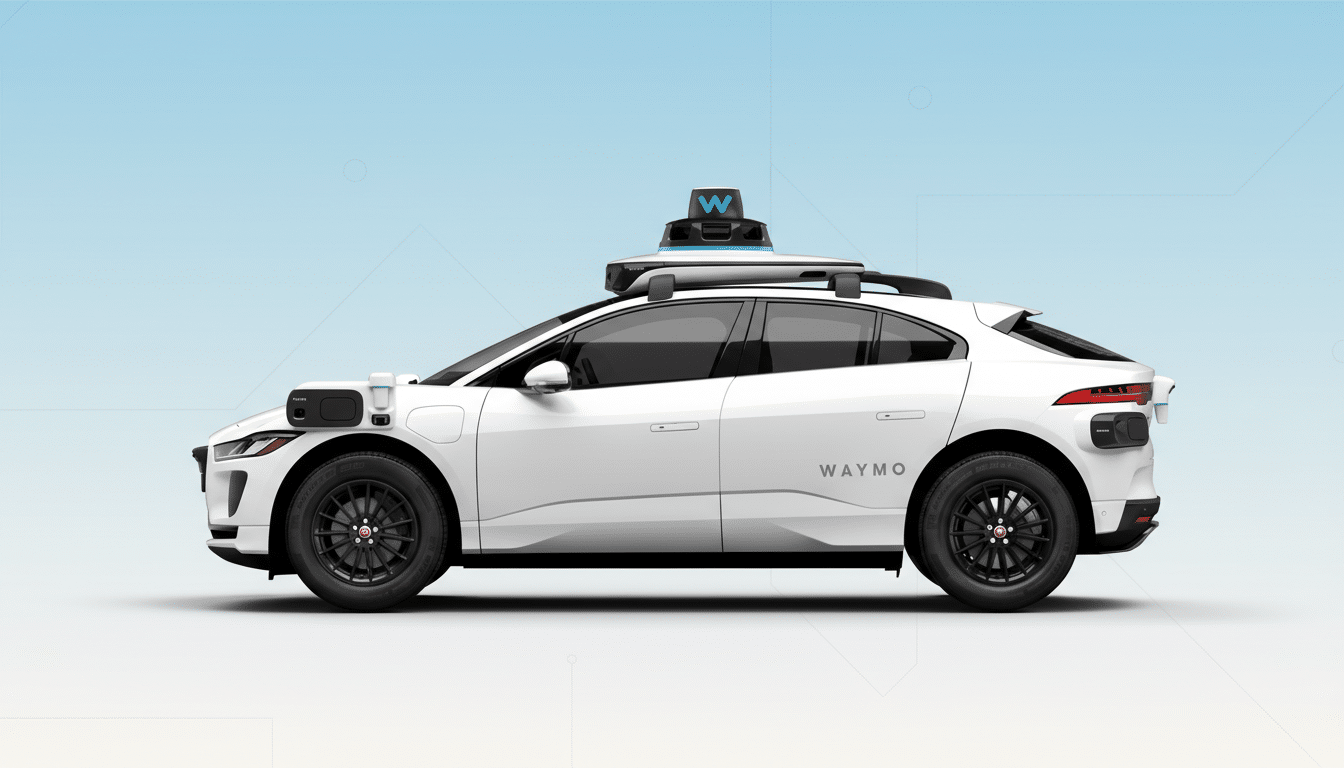
Data will be central. California DMV collision reports show that AVs have different risk profiles than human drivers, with fewer alcohol- or distraction-related crashes but vulnerabilities around unusual edge cases and emergency scenes. Waymo has published analyses from millions of fully autonomous miles that suggest lower injury crash rates than human baselines on comparable roads; critics note these studies are not yet a universal benchmark. Federal regulators at NHTSA continue to investigate AV incidents and have pushed for stronger post-crash protocols following last year’s suspension of Cruise’s operations in California.
Public sentiment remains a hurdle. AAA surveys have repeatedly found widespread apprehension about riding in fully driverless cars, with roughly 68% expressing fear in recent polling. If New York’s program delivers steady service without major incidents, that could move the needle faster than white papers ever could.
Local Control and Economic Upside for Communities
Requiring “local support” gives counties and cities a voice in deployments. That could mean memoranda of understanding on geofences, speed limits, curb use, emergency responder training, and data-sharing to monitor congestion and safety impacts. It also creates a pressure valve: communities can opt in at their own pace and pull back if results disappoint.
Economic development agencies will see opportunity. Autonomous services can complement late-night transit in college towns, provide hospital campus shuttles, or connect suburban rail stations to job centers. The supply chain—mapping, sensors, depot operations, and maintenance—can generate skilled jobs even when vehicles are built elsewhere.
What to Watch Next as New York Finalizes the Rules
The legislative text will reveal the true contours: definitions of “limited deployment,” minimum insurance thresholds, data transparency rules, and enforcement powers. After passage, agencies will move to craft regulations and accept applications. Municipalities interested in early pilots—think Westchester, Nassau, Albany, Rochester, Syracuse, or Buffalo—will weigh local benefits against labor, equity, and safety concerns.
New York City’s separate track will be just as consequential. Any eventual TLC framework will need to mesh with bus lanes, bike networks, for-hire vehicle caps, and congestion pricing. Until then, the rest of the state becomes the proving ground. If robotaxis can handle New York’s winters and its suburban arterials, the case for the five boroughs will be stronger—and the nation will be watching how a regulatory heavyweight writes the next chapter of autonomous mobility.
