


Metro may be owned by T-Mobile and run on the same nationwide network, but the day-to-day experience is not identical. The differences come down to how plans are priced, how your data is prioritized during congestion, what extras you get, and how device deals are structured. Here’s a concise, expert breakdown to help you choose with confidence.
How T-Mobile and Metro Pricing and Plans Compare Today
Metro by T-Mobile is designed as a straightforward prepaid option with simple pricing and taxes and fees typically included in the advertised monthly rate. Its core unlimited plans commonly land in the $40–$60 range for a single line, with family discounts scaling down the per-line cost. Metro also leans into bring-your-own-device and frequent in-store promos, especially for budget and midrange phones.
- How T-Mobile and Metro Pricing and Plans Compare Today
- How network priority affects Metro and T-Mobile performance
- Coverage similarities and roaming differences explained
- Mobile hotspot allowances and video streaming quality
- Phone deals, trade-ins, promotions, and financing options
- International features and included extras on each brand
- Customer support experience and in-store service options
- Who should choose Metro vs T-Mobile, and why it matters
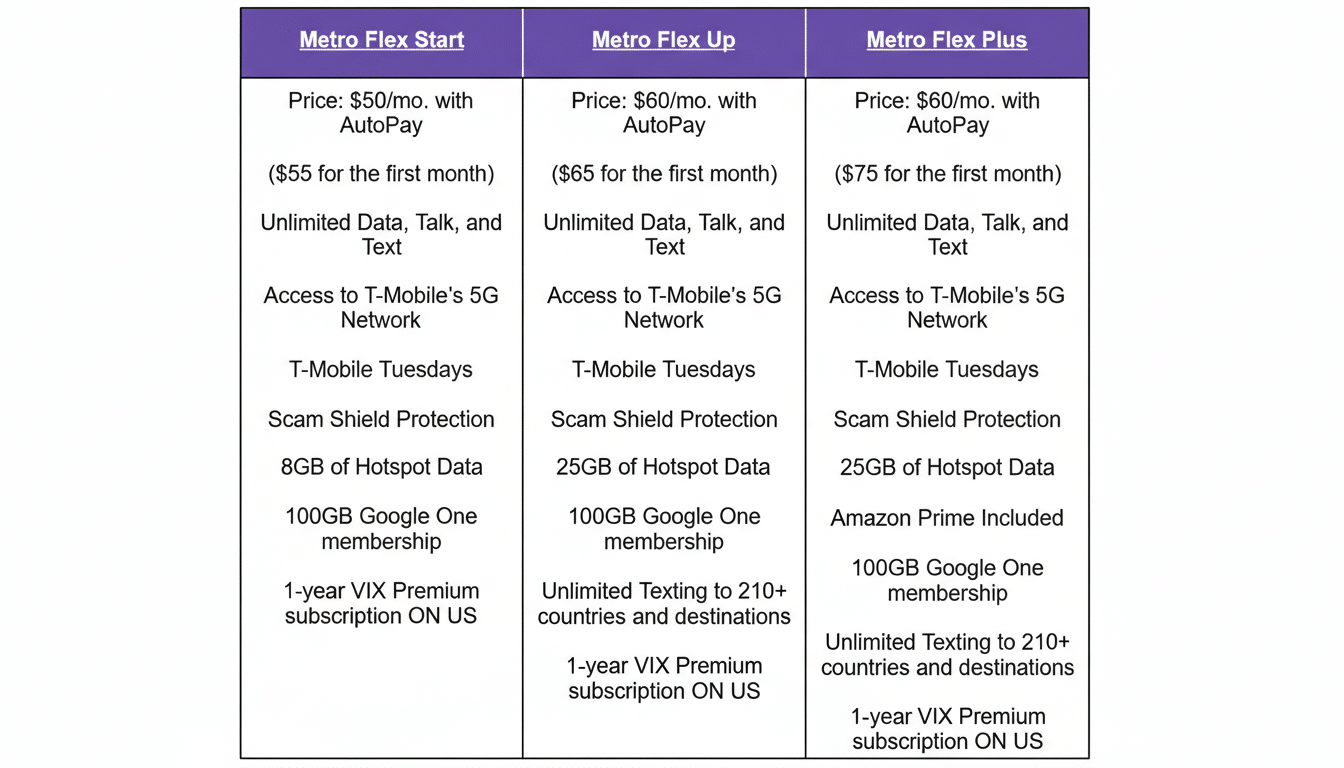
T-Mobile’s lineup spans prepaid and postpaid. Prepaid unlimited generally sits higher than Metro for single lines, but multi-line discounts help. The bigger divergence shows up in postpaid: while base plans can look pricey for one line, aggressive family pricing often undercuts prepaid on a per-line basis. Some postpaid tiers also include taxes and fees, depending on the plan, and bundle extra features that prepaid usually does not.
How network priority affects Metro and T-Mobile performance
Both brands use the same network, but they do not treat your data the same way. Metro traffic is generally lower priority. That means in crowded areas—think downtown at rush hour or a packed stadium—Metro users are more likely to see speeds dip when the network is under strain.
T-Mobile postpaid offers “premium data” on many higher tiers, giving users a larger cushion before slowdowns kick in. Entry postpaid and prepaid tiers can be deprioritized similarly to Metro, but moving up to Go5G-class plans typically improves your odds of holding faster speeds when it matters. Independent testing backs up the network’s overall strength: Ookla’s and Opensignal’s 2024 reports consistently show T-Mobile leading in median download speeds and 5G availability nationwide, while the company says its Ultra Capacity 5G now covers over 90% of Americans.
Coverage similarities and roaming differences explained
On native towers, coverage is effectively the same. The nuance is roaming. T-Mobile postpaid maintains broader domestic roaming agreements that can keep you connected in fringe areas with sparse native coverage. Metro’s roaming is more limited, which may leave fewer safety nets on road trips across rural corridors. If you live in a city or well-covered suburb, you may never notice the difference; frequent travelers might.
Mobile hotspot allowances and video streaming quality
Metro plans typically include mobile hotspot but cap the high-speed allotment on upper tiers before shifting to slower 3G-like speeds. T-Mobile postpaid’s premium plans usually offer larger hotspot buckets and support higher video streaming resolutions—up to HD or better—while some prepaid options and many Metro plans limit video to SD to conserve bandwidth.
Phone deals, trade-ins, promotions, and financing options
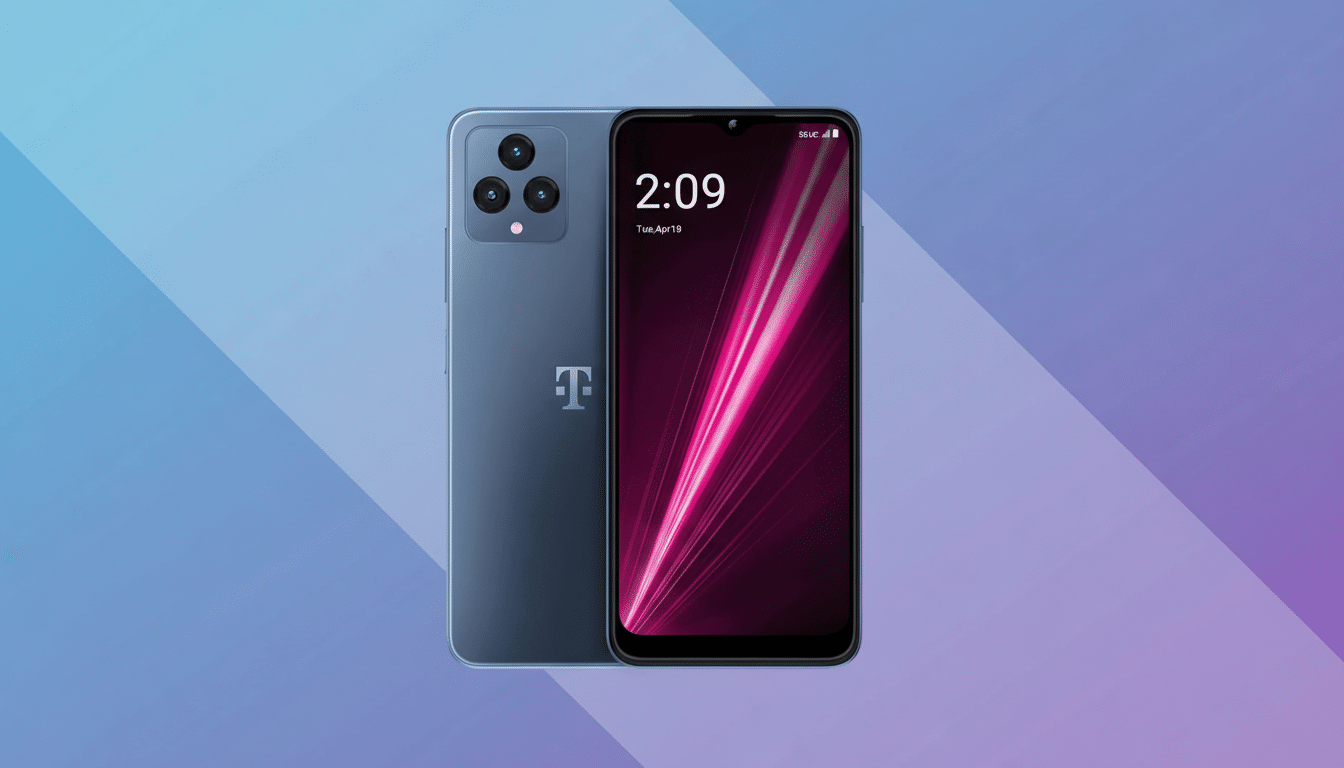
Both brands sell the latest flagships, but their incentives diverge. Metro’s deals heavily favor free or deeply discounted budget and previous-generation phones, especially when you switch or add multiple lines. Financing is often handled through partners like Affirm. T-Mobile postpaid leans into big-ticket flagships with bill credits over 24–36 months, early upgrade options on top tiers, and robust device protection programs. If you want the newest premium phone with aggressive trade-in credits, postpaid is usually the better avenue.
International features and included extras on each brand
T-Mobile’s postpaid plans stack on extras—international talk and text in Canada and Mexico, data allowances abroad on select tiers, and bundled services like streaming or in-flight connectivity depending on the plan. Metro offers simpler add-ons for international calling or usage in Mexico and Canada but generally lacks the breadth of included perks. For frequent travelers, the postpaid add-ons alone can justify the upgrade.
Customer support experience and in-store service options
Both brands offer online, phone, and in-store support, with large retail footprints nationwide. T-Mobile emphasizes a “Team of Experts” model for postpaid care. Metro relies more on authorized dealers that can handle activations, swaps, and promo-specific needs. Overall satisfaction varies more by location than by brand, but postpaid customers often report shorter paths to resolution for complex account issues.
Who should choose Metro vs T-Mobile, and why it matters
Pick Metro if you want predictable pricing, taxes and fees included, and you live or work in areas where congestion rarely cripples speeds. It’s an excellent value for solo users who don’t need heavy hotspot use, high-res streaming, or premium roaming features.
Choose T-Mobile postpaid if you want higher network priority, stronger hotspot and streaming support, and international perks. Families often unlock the best value here, with per-line costs dropping sharply as you add lines. Travelers and power users also benefit from broader roaming and premium data cushions during peak times.
If you’re undecided, consider piloting a month on Metro to gauge local performance. If congestion or travel gaps emerge, moving to a T-Mobile postpaid tier with premium data and better roaming typically solves the pain points. For alternatives on the same network, independent providers like Google Fi, US Mobile, and Mint Mobile can deliver compelling pricing with different mixes of perks.
The bottom line: same network, different experience. Metro maximizes affordability and simplicity; T-Mobile postpaid maximizes performance and extras. Your usage patterns and where you live will determine which trade-offs deliver the best deal.
