


Netflix is preparing a major refresh of its mobile app this year, and the company is signaling that short-form vertical video will be part of the experience. Executives framed the redesign as foundational technology that lets Netflix iterate faster on mobile, where the next phase of discovery and engagement is increasingly happening.
What Netflix Is Planning for Its Mobile App Overhaul
Netflix has been quietly experimenting with short, vertical clips for months, building on earlier tests like Fast Laughs. The new approach is expected to blend show and movie snippets, trailers, and bespoke short-form edits alongside original pieces—potentially including highlights from the company’s growing slate of video podcasts, which now tops 30 series.
- What Netflix Is Planning for Its Mobile App Overhaul
- Why Short-Form Video Is Central to Netflix’s Mobile Push
- Inside the Mobile Redesign and Vertical Video Feed
- Ad Business Ties and New Formats in the Mobile Feed
- Signals Beyond Short Video Point to Deeper Strategy
- What to Watch for Next in Netflix’s Mobile Redesign
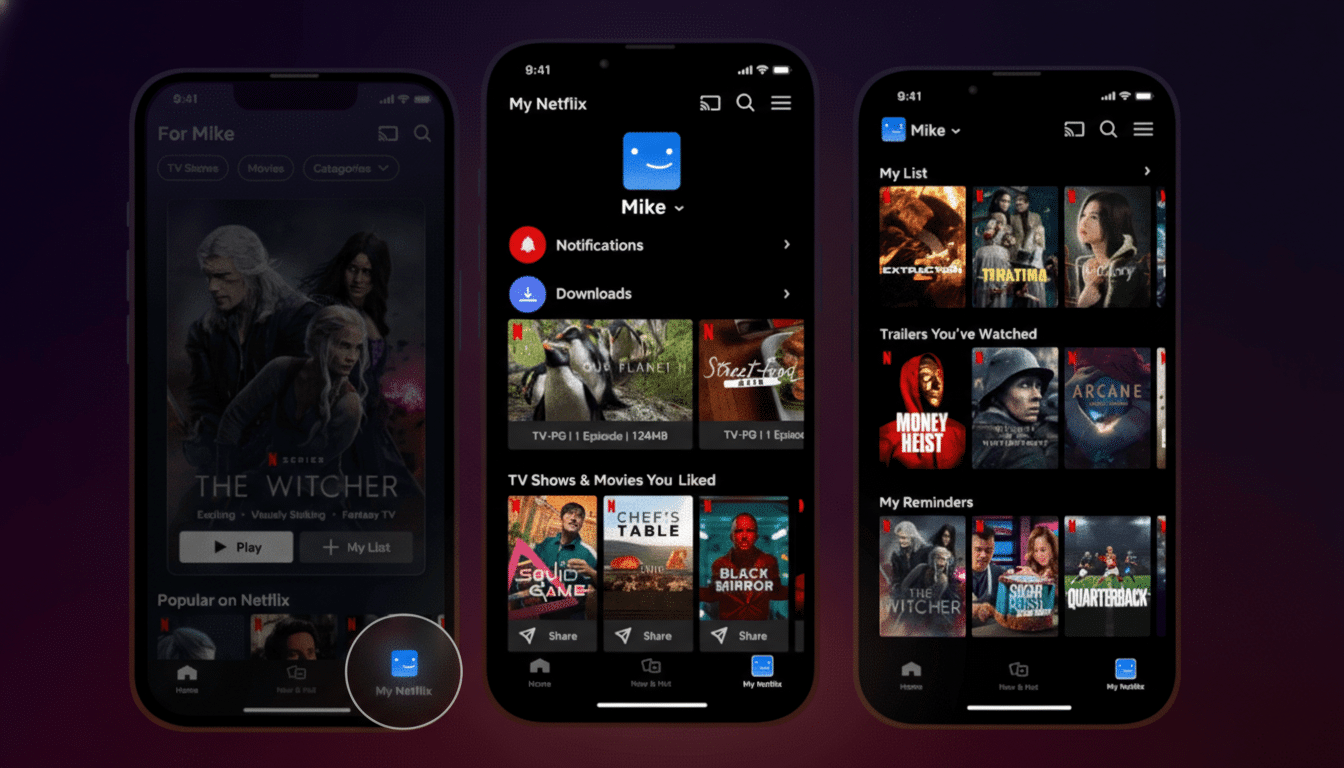
Co-CEO Greg Peters described the redesign as a platform to “iterate, test, evolve, and improve,” suggesting Netflix will treat mobile more like a living laboratory than a one-off UI facelift. That implies a feed that can quickly adapt to what drives session starts, watch time, and conversion into full-length viewing.
Why Short-Form Video Is Central to Netflix’s Mobile Push
The strategic logic is straightforward: mobile is the battleground for attention, and short-form is its native language. TikTok and competitors like Instagram Reels and YouTube Shorts have trained users to graze, swipe, and sample—behaviors tailor-made for discovery. YouTube says Shorts reaches more than 2 billion monthly logged-in users, and app analytics firms report that vertical feeds reliably lift session frequency and time spent.
For Netflix, short clips could be a cost-efficient on-ramp to long-form hits. A scrollable feed that surfaces a punchy scene or a standout joke is a frictionless way to spark intent and move viewers into a full episode or film. It also opens the door to more frequent touchpoints between seasons, keeping fandoms warm without relying on big drops.
Inside the Mobile Redesign and Vertical Video Feed
Expect a more prominent, vertically oriented canvas that can run full-screen video with minimal chrome. Netflix has already reworked its TV app to focus on larger recommendation tiles; on mobile, the analog is likely a feed where one tap or swipe delivers instant motion, sound, and context—followed by a decisive path to “Watch Now.”
Editorial curation will probably sit alongside personalization, with Netflix’s recommendation system deciding not only which clips to show, but also how they are trimmed and sequenced. The company owns or controls vast libraries of raw scenes, trailer assets, and behind-the-scenes footage; packaging those pieces into high-performing vertical cuts is a differentiator a typical social platform doesn’t have.
There are challenges. Licensing constraints could limit what third-party content appears in clipped form, pushing Netflix to emphasize originals. And the company will need to avoid cannibalizing long-form viewing by designing shorts as a discovery layer rather than a destination that traps attention.
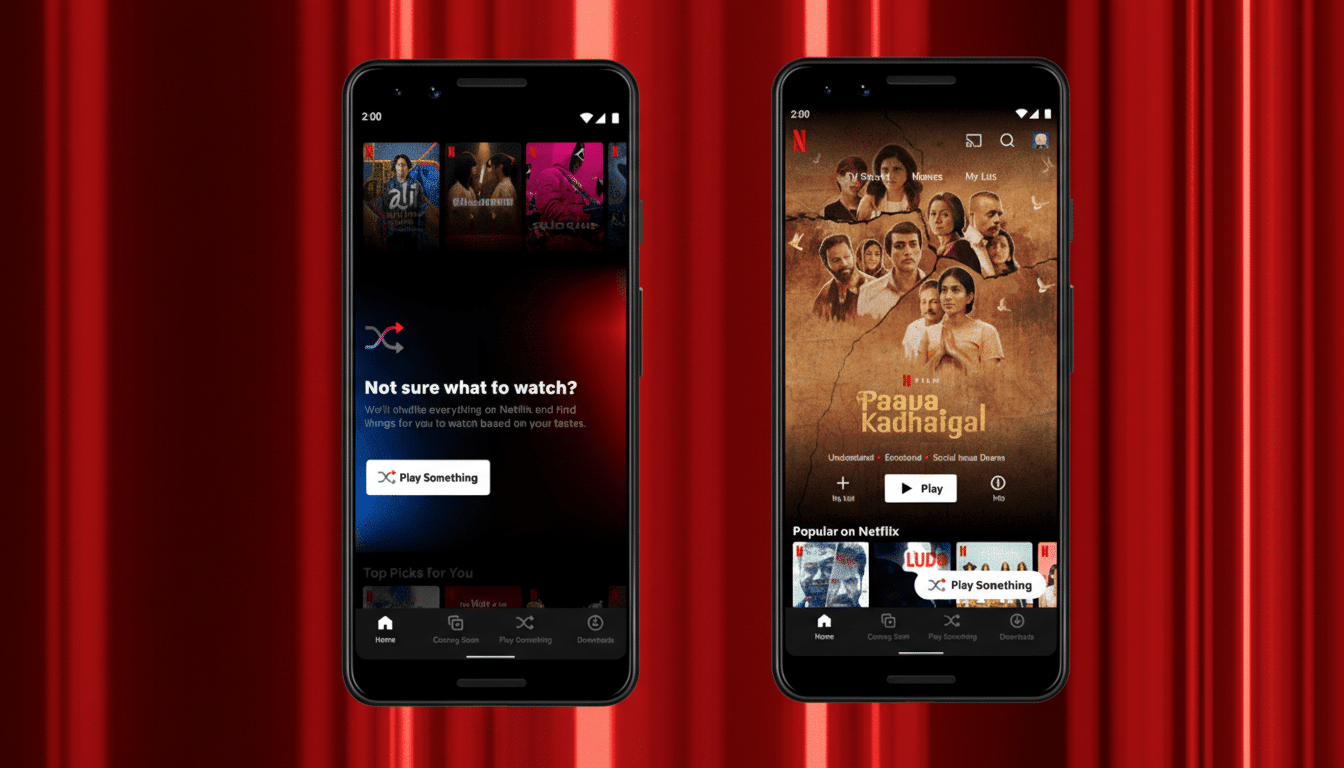
Ad Business Ties and New Formats in the Mobile Feed
The redesign also dovetails with Netflix’s fast-growing ads business. The ad-supported tier has become a meaningful revenue engine, with the company telling investors it produced around $1.5 billion recently and is targeting roughly $3 billion next. Short-form inventory could expand impressions, enable new creative formats, and improve funnel measurement from clip to conversion.
Netflix is also developing AI-powered tools to help brands integrate products into ads built around its shows and films. In a vertical feed, those capabilities could unlock context-aware sponsorships or dynamic product placements that feel native to the short clip without disrupting the viewing experience.
Signals Beyond Short Video Point to Deeper Strategy
The company’s recent push into interactivity—like real-time voting for a revived talent competition—suggests Netflix is widening the definition of “watching” on its platform. Short-form video fits that playbook: it’s interactive by default, feeding back instant engagement signals that can sharpen recommendations across the service.
Competitors aren’t standing still. Disney+ has discussed vertical video experiences, while YouTube, Instagram, and TikTok continue to tune algorithms around newer mediums such as microdramas and video podcasts. Netflix’s advantage is its deep catalog and a recommendation stack optimized for completion rather than pure virality.
What to Watch for Next in Netflix’s Mobile Redesign
Key questions remain: Will Netflix allow creator uploads or keep the feed tightly curated from licensed and owned assets? How will parental controls and maturity ratings apply to shorts that jump across genres? And can the company prove that a scrollable feed increases long-form starts without inflating churn-driving snack behavior?
If Netflix threads that needle, the mobile redesign could become more than a cosmetic update. It could be a new front door—one that borrows the best mechanics of social video while funneling viewers into the premium storytelling that built the brand.
