


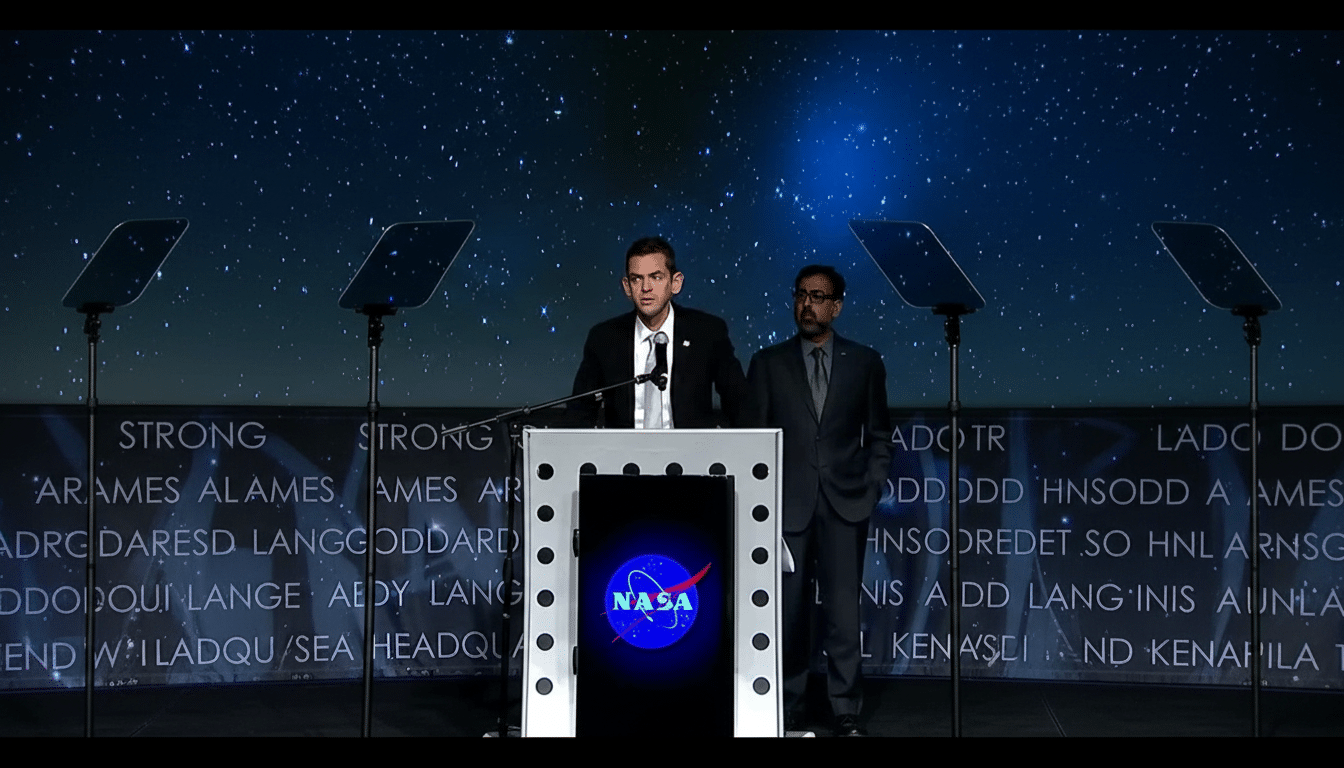
NASA’s top official delivered an unflinching verdict on Boeing’s Starliner program, citing not only technical breakdowns but also leadership decisions that fostered a brittle safety culture. The administrator said crewed flights on Starliner are paused indefinitely while the agency demands a full accounting of root causes, a propulsion requalification, and sweeping cultural fixes inside the program.
NASA Elevates The Incident To Its Highest Mishap Tier
NASA reclassified Starliner’s crewed debut anomaly from a “High Visibility Close Call” to a “Type A mishap,” the agency’s most serious designation. The decision follows a set of cascading thruster failures that jeopardized control authority during rendezvous, forcing Mission Control to improvise recovery steps before docking could proceed.
Two veteran astronauts ultimately reached the International Space Station, but NASA later opted to return Starliner to Earth without a crew after additional propulsion problems surfaced. The astronauts remained aboard the station and later came home on a SpaceX Dragon, underscoring how fragile the Starliner flight envelope proved to be.
Design Gaps And Testing Shortfalls Come Into Focus
A 311-page, partially redacted NASA report details how Starliner’s reaction-control thrusters were vulnerable to overheating and valve stiction, with instrumentation that made failure isolation difficult in real time. Investigators cited inadequate thermal margins, insufficient fault detection and annunciation, and a lack of built-in resilience when multiple off-nominal conditions stacked up.
Perhaps most troubling, the report points to a fundamental redundancy shortfall. For human spaceflight, propulsion systems that handle attitude control and deorbit burns are expected to tolerate single failures without losing mission-critical capability. In practice, Starliner’s configuration allowed localized issues to propagate into a system-wide constraint, culminating in a deorbit posture that relied on a dwindling thruster set.
Engineers had raised concerns years before flight, according to NASA’s account, but those warnings did not trigger comprehensive redesigns or end-to-end qualification closures. The agency concluded that verification and validation did not keep pace with evolving hardware risks.
Safety Culture Criticized As Counterproductive
The administrator’s letter describes an environment in which program leaders too often required NASA teams to prove a system was unsafe rather than insisting the contractor demonstrate it was safe. Employees told investigators that technical debates turned combative, with safety engineers sidelined and communication channels frayed.
Veterans of earlier accident boards will find the themes familiar. The Rogers Commission on Challenger and the Columbia Accident Investigation Board both documented how schedule pressure and normalization of deviance can erode risk posture. NASA says it will not allow a similar slide here, pledging “leadership accountability” and reinforcing independent technical authority inside panels that oversee human-rating decisions.
What Boeing Must Fix Before Crews Fly Again
NASA’s stand-down comes with a prescriptive to-do list. Starliner’s propulsion must be requalified at the vehicle level with added thermal margin, improved cooling paths, and materials or design changes that mitigate valve and injector sticking. Expect a stronger sensor suite with more health monitoring so controllers and autonomy can quickly detect and isolate failing units.
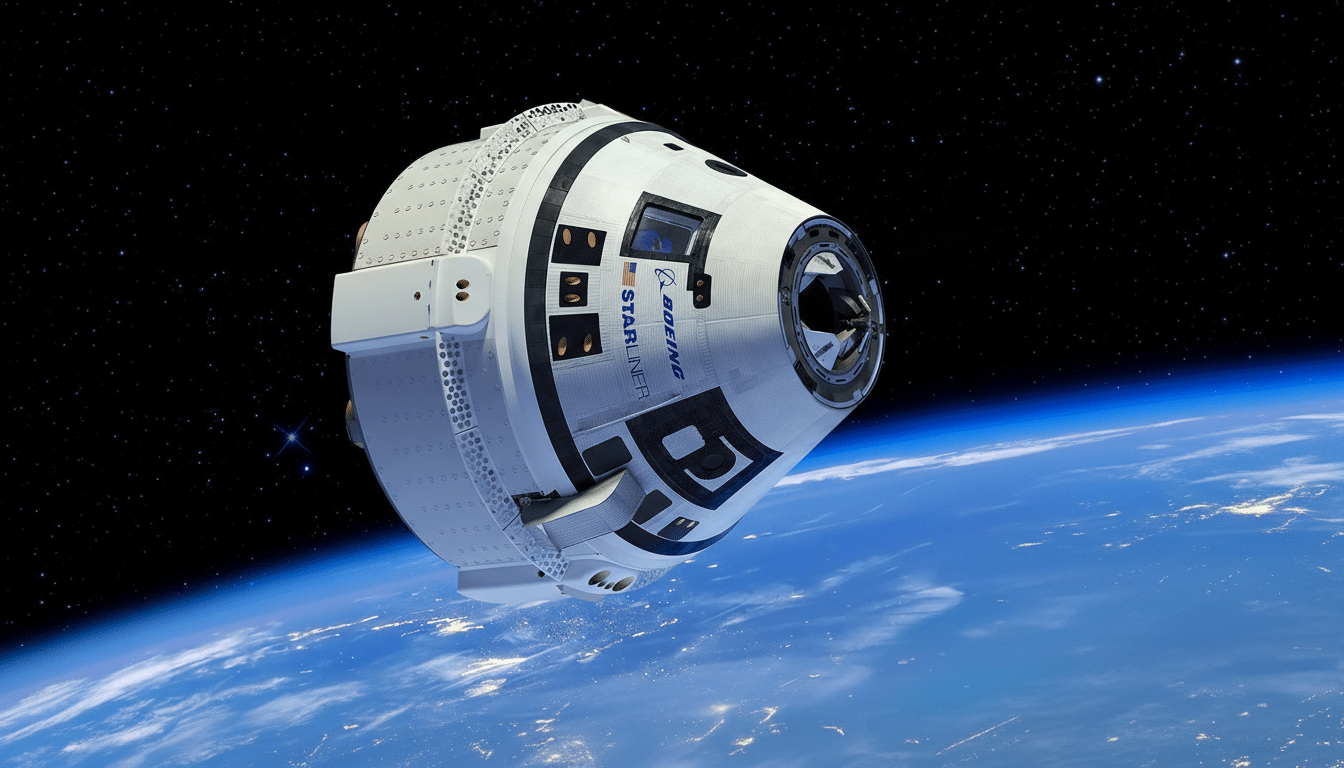
Redundancy is slated for an upgrade toward a no-single-failure-loss-of-mission architecture: more independent thruster strings, fault-tolerant power and data, and software that gracefully degrades without trapping the vehicle in unsafe attitudes. NASA also wants integrated simulations that tie hardware-in-the-loop testing to flight software fault management, closing gaps between analysis and real-world behavior.
On the organizational side, the agency is reinforcing its mishap and close-call reporting processes, mandating clearer dissent paths, and increasing independent verification and validation. The message is blunt: safety gates will drive schedule, not the other way around.
The Stakes For US Access To Low Earth Orbit
Starliner was envisioned to stand alongside SpaceX’s Crew Dragon so NASA wouldn’t rely on a single provider. Under the Commercial Crew contracts, Boeing received $4.2 billion and SpaceX $2.6 billion to deliver redundant access. Dragon has since flown crews to orbit more than 20 times, giving NASA assured transport while Starliner remains in development limbo.
The agency still wants two independent systems, especially as the International Space Station nears retirement and private space stations from firms such as Axiom Space, Voyager/Nanoracks, and Blue Origin enter the picture. Multiple vehicles capable of carrying crew and cargo bolster resilience for research, manufacturing, and national priorities in low Earth orbit.
What Comes Next for NASA, Boeing, and Starliner Program
NASA says it will publish and track corrective actions from the mishap investigation, convene independent review boards where appropriate, and assess whether leadership changes are needed at the program level. Only after the propulsion system is fully qualified, investigation recommendations are implemented, and culture reforms take hold will the agency consider putting astronauts back on Starliner.
For Boeing, the path forward is clear but unforgiving: prove the hardware is robust, demonstrate transparent and empowered safety processes, and rebuild trust with engineers and crews. For NASA, the calculus is equally stark—preserve redundancy in human spaceflight without compromising the standards that keep astronauts safe.
It is a sobering reset, but one the agency argues is necessary. The measure of success will be simple when the time comes: a spacecraft that behaves predictably across failures, a team that surfaces risk without fear, and a mission that closes cleanly from launch to landing.
