


MSI is making a big push for the sweet spot between creator rig and gaming machine with its new Stealth 16 AI+, an all-new 16-inch notebook that combines state-of-the-art OLED visuals with next-gen silicon in a svelte chassis you can take on the go. It is a deliberate pass at those who work by day and game by night—but don’t want to throw their backs out lugging around a desktop replacement.
A slim, lightweight chassis built for work and play
At just 0.65 inches (16.6 mm) and 4.1 pounds, the Stealth 16 AI+ is well under the usual heft of performance laptops, but there’s still plenty of room to keep everything cool.
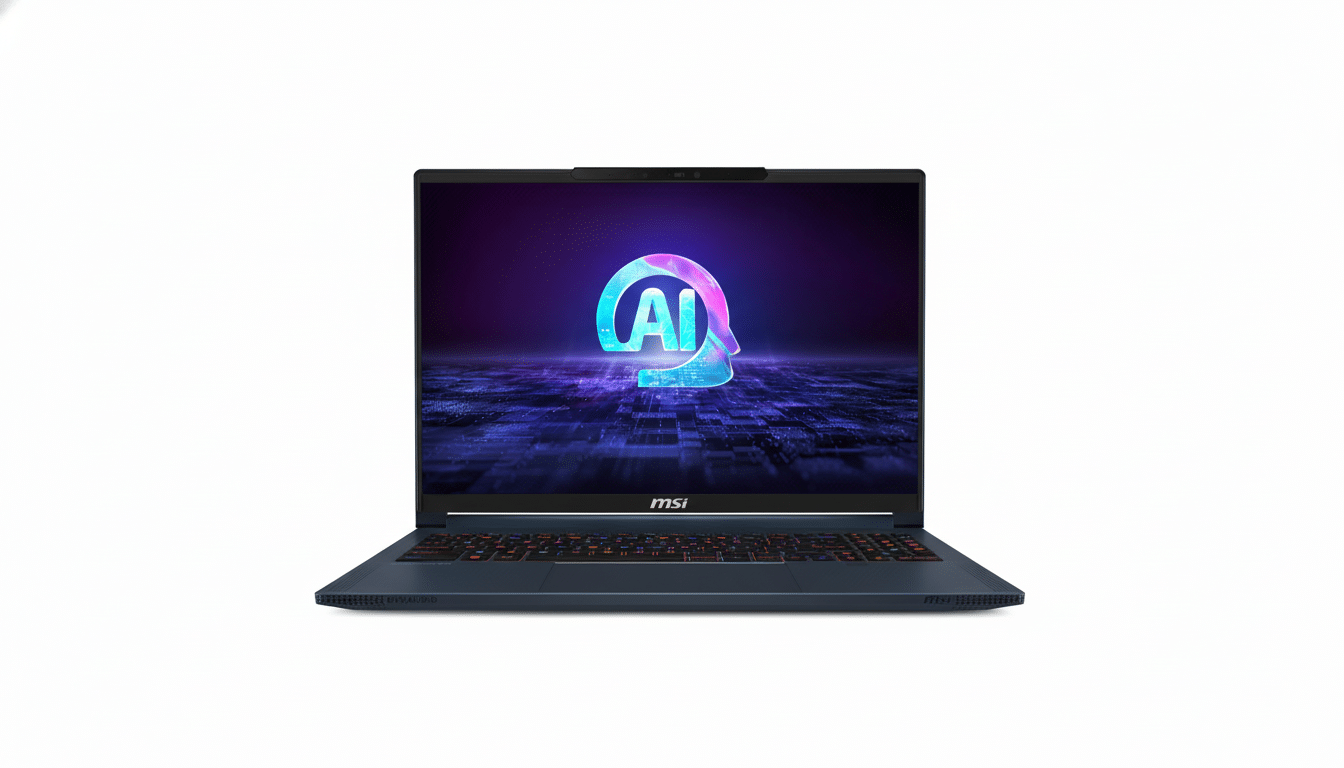
That balance is important: so many devices of its footprint slip right into a generic backpack, yet have the thermal capacity and rigidity that digital creators and competitive gamers look for when those fans finally start to spool up.
Hardware designed for demanding hybrid workflows
Inside the Stealth 16 AI+, we find Intel’s latest Panther Lake platform running at its heart—Core Ultra 9 300H, to be specific (and it can still pair with an NVIDIA GeForce RTX 50‑series GPU). The memory ceiling is generous to a fault for this grade of gear—up to 128 GB of DDR5 churning between 5600 and 7200 MT/s—enough to let 3D artists, coders, and video editors stuff massive assets into RAM while still keeping lanes free for background renders.
This layout speaks to one side of the house. The real-time ray tracing and DLSS acceleration that attracts gamers can then be put to work accelerating Tensor-based workloads in tooling like Blender and DaVinci Resolve, using the same CUDA and Tensor resources. Adobe and NVIDIA have shown time-to-timeline and export-beta gains for GPU acceleration in these apps, which a build like this one is set to capitalize on.
Creator-class display without compromise
The headline: A 16-inch option comes in QHD+ OLED at 240 Hz—deep blacks for grading, fast response for esports. There’s a strong, edge-to-edge Corning Gorilla Glass cover that provides some stiffness and premium feel—not to mention an oversize trackpad that inches this experience ever closer toward pro notebooks where gesture accuracy is key. You still get per-key RGB on the keyboard—a reminder that this isn’t a sterile workstation—but the look overall is tasteful rather than garish.
It’s an intelligent match for where displays are going. Next-gen connectivity and higher-refresh panels are coming together, says the Wi‑Fi Alliance, as creators shift to higher-resolution timelines while gamers ask for smoother motion. On the gaming side, Steam Hardware Survey figures have 1080p as top dog and 1440p finally over 20%, with a high-refresh QHD+ panel a decent compromise.
Ports, battery, and connectivity that truly matter
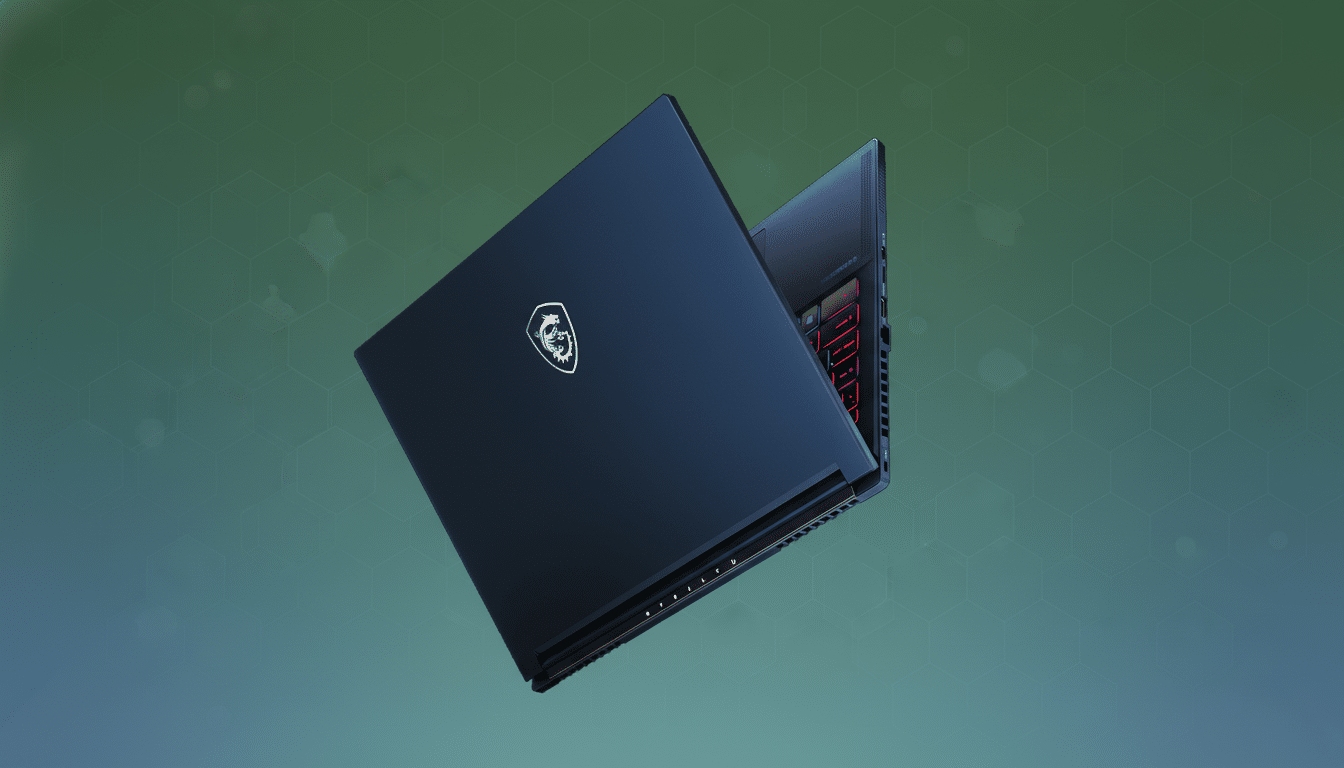
To satisfy both the vagabond in all of us and the strange desires of someone who wants a tiny, precious laptop to play games while taking up as little space as possible on his or her desk, MSI decorates the sides of its Stealth 16 AI+ with dual Thunderbolt 4, two USB‑A, HDMI, and an Ethernet jack—making both travel-friendly docking and low-latency gaming possible.
Wi‑Fi 7 support ensures peak PHY rates up to 46 Gbps with 320 MHz channels and Multi-Link Operation, helping future-proof your network for streaming large project files or high-bitrate music on busy networks.
That 90 Wh battery is about as big as you can ethically get without getting too in the face of airline rules—their carry-on limits typically tap out around 100 Wh—so it delivers solid capacity in a very standard shape. Creative workloads and high-refresh gaming will lean on the charger, but with headroom to spare for meetings, class, and light editing sessions away from a wall outlet.
Effective cooling design for sustained real-world gaming
By taking in air from the bottom and venting hot air back behind the keyboard hinge, the Stealth 16 AI+ is designed to move hot air away from your hands and any connected accessories. That rearward vent approach can reduce noise and surface temperatures under load over side vents (for sustained loads, anyway). Paired with Panther Lake’s efficiency improvements over the last generation, you should be able to see longer sustained boost durations before power and thermals are limiting.
Where the Stealth 16 AI+ fits in the market
MSI’s pitch reflects a growing industry trend: the 16‑inch “do‑everything” notebook is now the default for premium buyers. Rivals such as the ASUS ROG Zephyrus G16, the Razer Blade 16, and Lenovo’s Yoga Pro 9i swim in adjacent lanes, but MSI’s mix of a 240 Hz OLED, high RAM ceiling, an Ethernet port, and a husky 4.1‑pound chassis help it give off both creator and competitive vibes.
The result is a laptop that doesn’t look like a compromise, but rather reads as a thoughtful hybrid. If you’re bouncing among Unreal Engine previews, Lightroom catalogs, and late-night matches, the Stealth 16 AI+ seems tailor-made for that rhythm—power where it counts, portability when it matters, and enough polish to look at home in a studio or an arena.
