


Motorola could soon be ready to open up a new chapter in foldables. A new leak from a reputable tipster suggests the device is called “Razr Fold,” making it Motorola’s first-ever book-style foldable, and a big expansion beyond its clamshell Razr offering.
What the leaked Lenovo slide appears to reveal
Images posted by veteran leaker Evan Blass purport to show an internal Lenovo presentation slide with a mention of the Motorola Razr Fold. The material hints at a phone that would fold inward to become its own small little canvas with large displays, on-device AI experiences, and a more ambitious camera module than the earlier Razr releases. It’s described as something of a strategic pivot: once it has cut its teeth on flip phones, Motorola appears to be set to take on the book-style heavyweights.
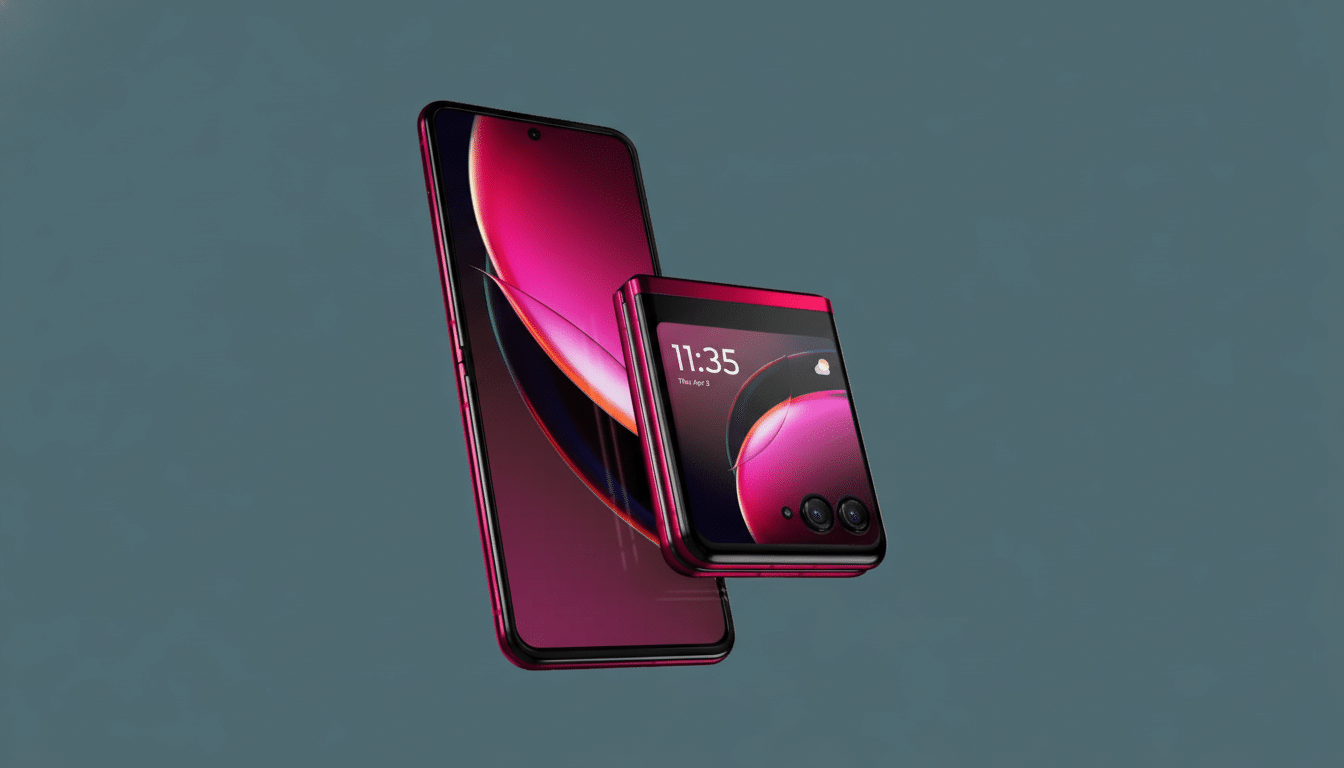
If the slide provides few technical specifics, then the framing of the phone does seem to match what we’d expect from a productivity-first foldable — a more tablet-like device when open, and more smartphone-y when closed — both tailoring into that template established by the Galaxy Z Fold, Pixel Fold, OnePlus Open, and Honor’s Magic V series.
Why a book-style Razr matters for Motorola’s plans
Motorola’s contemporary Razr lineup has focused on clamshells, including high-end phones (you remember the Razr Plus/Razr Ultra) emphasizing pocketability and a display that lets you check notifications at a glance. The book-style device aims at a very different use case: multitasking, content creation, and larger-screen apps that enjoy designing themselves for tablet-like canvases.
The move would also tap Lenovo’s wider expertise in foldable devices. The company has already shipped foldable PCs like the ThinkPad X1 Fold, meaning it actually has real-world experience in hinges, crease management, thermals, and panel reliability at larger sizes. Applying those lessons to a phone may let Motorola distinguish its design in terms of durability and ergonomics.
Expected specs and early design clues from leaks
Competitors have set a bar for this category: inner displays around 7.5 to 8 inches, outer screens in the range of 6 inches, and hinges that are so flat they nearly eliminate the crease. Most battery sizes stay around the 4,800–5,000 mAh mark, with fast charging to help counteract bigger panels eating up juice. The camera stack is also more and more including a true telephoto (often a periscope lens) to avoid compromises versus slab flagships.
If Motorola follows the direction of the market, then we will see a lighter, less obtrusive hinge, a notebook-esque profile (much thinner than the Galaxy Fold), a higher-end refresh rate for the interior panel, and software tailored to split-screen multitasking / floating windows / continuity instead of the current jarring flip your phone open and find two completely different UIs on each display.
Use of the AI buzzword that leaked indicates features such as on-device transcription, camera scene optimization, smart summaries, and voice-first controls that run locally for privacy and speed.
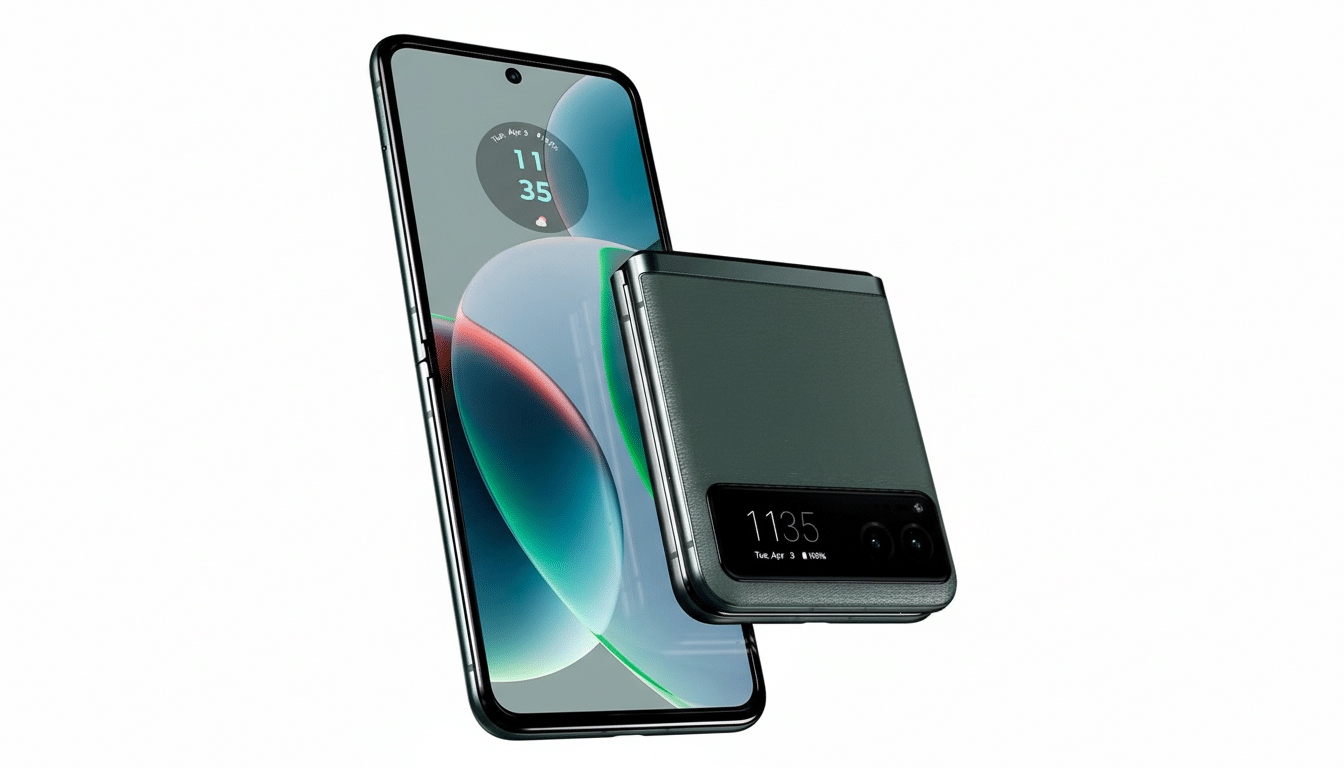
Durability will be pivotal. Samsung’s Fold line is publicly rated for around 200,000 folds, and rivals have advertised even higher cycle counts. Motorola will have to nail down a convincing pitch on long-term wear, debris resistance around the hinge, and screen protector longevity if it wants to persuade skeptical buyers.
The competitive landscape for book-style foldables
Book-style foldables are still something of a premium niche, but the momentum is there. Industry trackers like IDC and Counterpoint have reported consistent double-digit growth, with global shipments in the mid-teens of millions and rising. There are too many vendors for any one company to have a de facto lead, and the differentiation is increasingly around weight — or lightness — how well the crease disappears when you fold it, outer-screen comfort, and software polish as opposed to raw spec.
Pricing will be a wild card. The earliest book-style devices tended to start around the $1,699–$1,799 price point. Motorola’s recently unveiled strategy with its new Razr model was to split the line and offer both high-end models and a more accessible version. A competitive price tag, carrier promos, and aggressive trade-ins could help drive adoption, particularly if Motorola nails the outer display experience for one-handed use.
What to watch next as Motorola teases its Razr Fold
Three signals will tell us how seriously Motorola means business with this push: a hinge that slashes weight and limits crease visibility, a camera system with legitimate flagship ambitions, and software that sees the big canvas as something to power productivity rather than a mere party trick.
In other words, if the Razr Fold delivers on those fronts, it may finally give buyers a viable competitor to book-style flagships and extend the allure of the Razr name beyond flips.
At the very least, the leak establishes expectations — and stakes. For Motorola, a Razr Fold would be its most important phone release in years, and it would play in a segment where small design decisions can have disproportionately large implications for how people actually use their phones every day. The next series of official teasers should let us know how ready the company is to play at the top of the foldable market soon.
