


After months of flights, commutes, and desk shifts with Sony’s WH-1000XM6 and Bose’s QuietComfort Ultra 2, the verdict isn’t a simple scoreboard. Both are elite noise-canceling headphones, yet they win for different listeners. The real story is how they sound, feel, and adapt when life gets loud and unpredictable.
Comfort and Build Quality Over Long Daily Sessions
Bose lives up to the QuietComfort name. The QC Ultra 2’s plush pads and roomy earcups create a relaxed seal that stays comfortable for hours, especially for glasses wearers. On long-haul flights and multi-meeting workdays, they simply disappear.
- Comfort and Build Quality Over Long Daily Sessions
- Sound Tuning and Codecs for Critical and Casual Listening
- Noise Cancellation and Transparency in Real-World Use
- App Features and Controls for Power Users and Minimalists
- Battery Life and Charging Differences in Daily Use
- Calls, Connectivity, and Travel Quirks for Frequent Users
- Which One Wins for Your Needs and Listening Habits
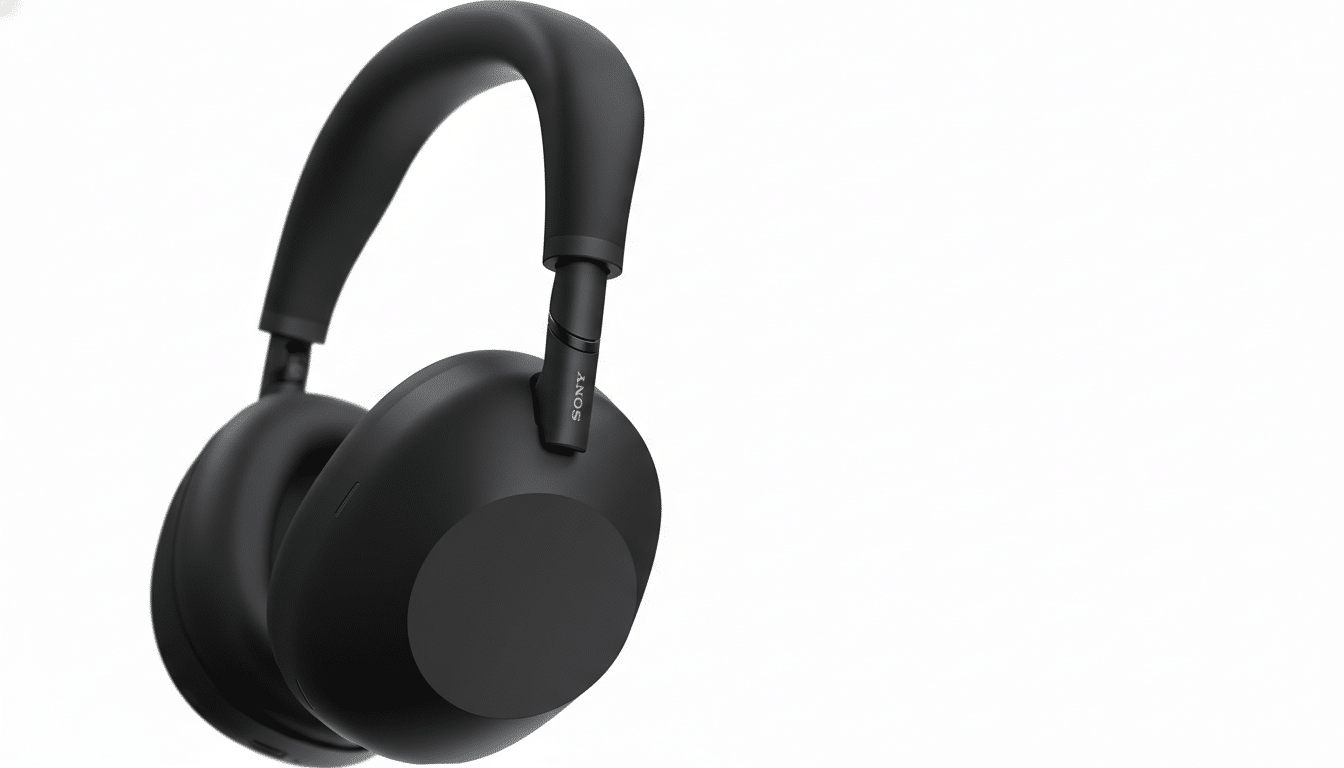
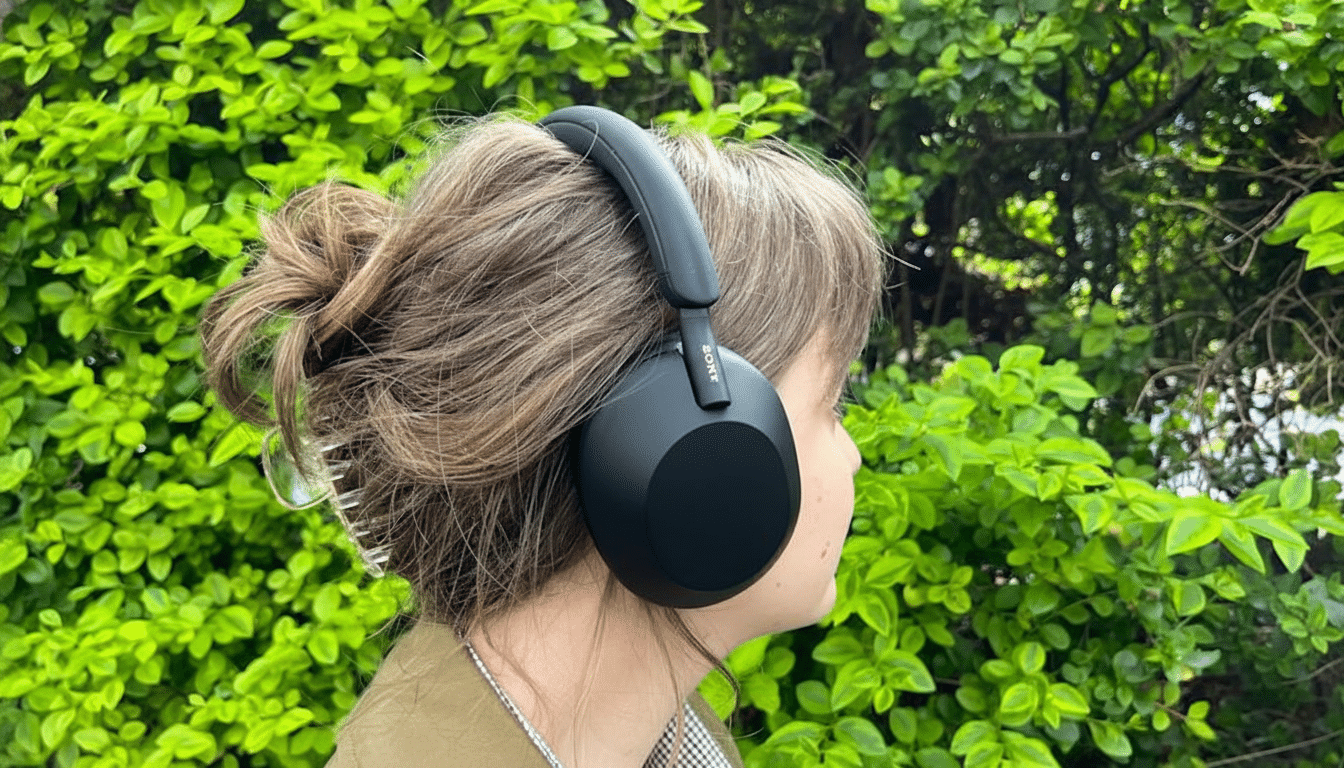
Sony’s WH-1000XM6 clamps tighter with thinner pads. The secure fit is great for a brisk walk or a treadmill session, but the jaw pressure builds over time. If your listening happens in focused bursts, Sony’s snug design can be an asset; for all-day wear, Bose is easier on the head.
Sound Tuning and Codecs for Critical and Casual Listening
Sony caters to critical listening. The WH-1000XM6 delivers taut bass, clean mids, and crisp treble with a neutral-leaning balance that plays well across genres. Support for LDAC and LC3 means higher-quality wireless when paired with capable devices, which is exactly what Bluetooth SIG has positioned LC3 to deliver with more efficient bitrates.
Bose favors a mellow, fatigue-free signature. The QC Ultra 2 leans warm with smooth highs, which flatters podcasts and movies during long stretches. Bose Immersive Audio expands the stage convincingly for films and games, though it draws more power than standard stereo. If you prefer “set it and enjoy it,” Bose’s tuning is easy to love.
Noise Cancellation and Transparency in Real-World Use
Both knock down noise so well that preference becomes personal. In coffee shops and on trains, Sony’s adaptive system reacts aggressively to low-frequency rumble and sudden clatter, giving a striking hush that helps you lock in. After an hour, that intensity can feel a bit dense to sensitive ears.
Bose counters with smoother suppression that’s especially effective around voices. In open-office chatter or airport terminals, the QC Ultra 2 reduces speech more naturally while avoiding the “pressure” sensation some users feel with stronger ANC. Independent lab trends from outlets like RTINGS and SoundGuys have often shown Bose edging the midband where voices live, while Sony leads on sub-bass drone.
On a busy subway platform where ambient levels routinely sit north of 80 dB, both models made announcements intelligible only when transparency was engaged. Sony’s ambient mode sounded brighter and more directional; Bose felt more lifelike and less hissy at comparable settings.
App Features and Controls for Power Users and Minimalists
Sony’s Headphones Connect app is a power user’s playground. You get granular EQ, the ability to auto-adjust ANC by location and behavior, ear-seal optimization, DSEE upscaling for compressed tracks, and LE Audio features like Auracast where available. Dial it in and the XM6 scales up impressively—but there are a lot of toggles to tame.
Bose’s Music app is the opposite philosophy: fewer levers, faster wins. You can tweak modes, adjust Immersive Audio levels, set shortcuts, and move on. Multipoint pairing is quick and reliable on both brands, but Bose’s minimalism better suits users who never want to think about settings.
Battery Life and Charging Differences in Daily Use
In day-to-day use, Sony simply lasts longer. The WH-1000XM6 routinely carried me through a workweek of commuting and calls on a single charge with ANC on. Manufacturer guidance and my results align at roughly the 30-hour mark per charge, stretching further with some features disabled.
Bose lands closer to a full day and change. With Immersive Audio disabled, the QC Ultra 2 tracked near the mid-20-hour range; turn spatial processing on and it dips. If you regularly forget to charge, Sony’s advantage is tangible. Quick charge on both is handy for a last-minute top-up before a flight.
Calls, Connectivity, and Travel Quirks for Frequent Users
Call quality is strong on both, with a twist: Sony fought wind better on outdoor walks, while Bose kept indoor voices more natural to colleagues on the other end. Sidetone—the ability to hear yourself—felt more comfortable on Bose in long meetings. Both handled Bluetooth handoffs cleanly among laptop, phone, and tablet.
For frequent fliers, note that typical aircraft cabins hover around 75 to 85 dB according to aviation and health agencies. In that band, Sony’s sub-bass taming is excellent for engine hum, while Bose’s strength around speech makes the cabin feel calmer without over-suppressing announcements.
Which One Wins for Your Needs and Listening Habits
If you crave customization, cutting-edge codecs, and the longest battery life, the Sony WH-1000XM6 is the clear choice. It rewards the time you spend tuning it and feels purpose-built for deep work sessions and frequent travel.
If you want a lighter touch—softer clamp, smoother ANC, and sound that flatters everything without tweaks—the Bose QuietComfort Ultra 2 is easier to live with. For most listeners who wear headphones all day, Bose’s comfort and consistency will quietly win.
Bottom line: Sony is the enthusiast’s toolkit; Bose is the everyday companion. Both are excellent noise-canceling headphones, but the “best” depends on how you actually listen.
