


Thinking about switching carriers? Three major players are courting switchers with aggressive new-customer incentives right now, and the savings can be meaningful if you pick the offer that fits how you use your phone. Here’s a clear, expert look at the current deals at Mint Mobile, AT&T, and T-Mobile, plus the fine print that determines what you actually pay.
Mint Mobile’s Limited-Time $15 Unlimited Entry
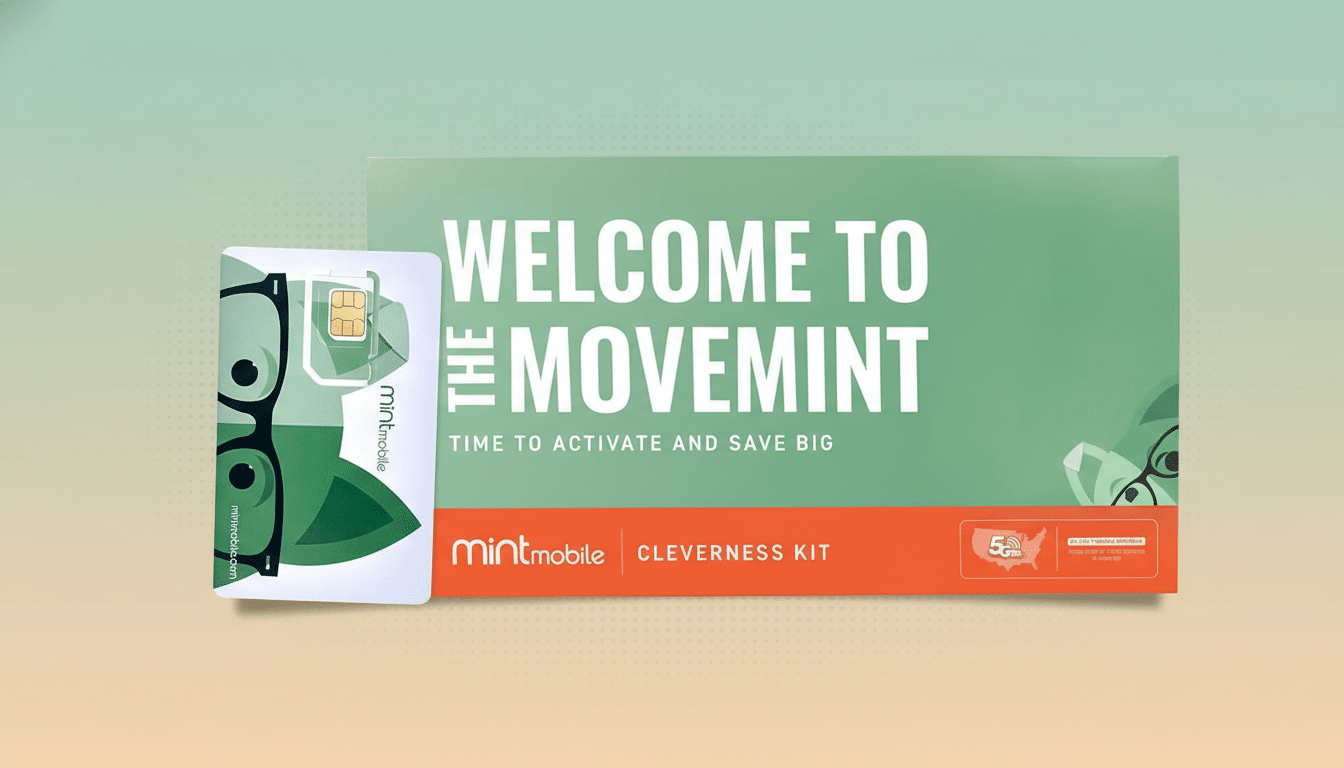
Mint Mobile, now operating under T-Mobile’s umbrella, is extending its holiday pricing for newcomers: unlimited plans are 50% off for your first term, clocking in at $15 per month instead of $30. You can lock that intro price in for 3, 6, or 12 months, but it’s prepaid—expect an upfront payment of $45, $90, or $180 to get started.

Because Mint is an MVNO on T-Mobile’s network, you’ll see 5G/4G LTE coverage and speeds that track closely with the host network, though data can be deprioritized during congestion. Mint’s “unlimited” plan typically includes a high-speed data threshold after which speeds may slow, and hotspot use is capped—solid for most users, but heavy streamers should check the details before committing.
Sweeteners for new lines are stacking up: a current promo code offers $15 off any 3‑month plan, and select device bundles are discounted (for example, up to $450 off a Samsung Galaxy S25 with a 12‑month unlimited plan). As with most prepaid bundles, the device discount is tied to the plan term, so weigh the total cost of ownership versus buying unlocked.
AT&T Will Pay Off Your Old Phone Balance
AT&T is targeting the biggest switching hurdle—your outstanding device balance—by offering up to $800 per line via a prepaid reward card when you port in, potentially covering up to 10 lines on an account. That’s as much as $8,000 to wipe out what you owe elsewhere, a rare scale for a contract payoff program.
The catch is the usual one: you’ll need to move to an eligible unlimited plan and, for device deals, buy on an installment plan with bill credits spread over 24 to 36 months. Trade-in values are strongest for recent flagships in good condition, and credits typically post monthly rather than as a lump sum, so leaving early means forfeiting remaining credits.
Headline examples underscore the depth of AT&T’s device promos for switchers: savings up to $1,800 when bundling an iPhone 17 Pro with an Apple Watch SE3 and an iPad, up to $1,100 off an iPhone 17 Pro Max, up to $1,000 off a Galaxy S25 Ultra, and iPhone 17 Pro effectively $0 with qualifying trade-in and plan. Always verify exact model eligibility, storage tiers, and the required plan—those details drive your real monthly bill.
T-Mobile Matches With Contract Payoff And Flagship Freebies
T-Mobile is answering AT&T with its own switcher credit: up to $800 per line to cover your old contract or phone balance, typically delivered via a prepaid card. The cap is four lines, which fits most families. You’ll need to port an eligible number and activate on a qualifying plan; current promos often call out Experience More or Experience Beyond tiers.
On the hardware side, T-Mobile is dangling top-end phones for less: an iPhone 17 free for switchers who bring their number, and $800 off a Galaxy Z Flip 7 when you add a line on the specified premium plans. As with rival offers, credits are applied over time, so the full value arrives only if you stay for the duration of the installment.
Recent independent testing from firms like Ookla and Opensignal continues to rank T-Mobile at or near the top for 5G speed and availability nationwide, with AT&T scoring well on overall reliability. Mint’s performance reflects T-Mobile’s network with the usual MVNO caveats. That context matters when “free” phones tempt you to switch—coverage where you live and work is the real deal-maker.
How to Choose the Best Phone Carrier Offer for You
Run the math on the total cost. For Mint’s $15 unlimited, calculate the full prepaid term and plan for the price to step back to $30 after your intro period. With AT&T and T-Mobile, total your monthly plan price, add taxes and fees, then subtract bill credits over the contract term. Effective cost over 24–36 months is what counts.
Check coverage before you commit. Use carrier maps and, if available, eSIM trials. T-Mobile’s network passes and Mint’s short eSIM trials are an easy way to validate signal at home and at work. The FCC’s guidance on number portability is straightforward: keep your current line active until the port completes to avoid losing your number.
Match the plan to your real usage. North American smartphone users now commonly exceed 20 GB of data per month, according to industry analyses like the Ericsson Mobility Report, so light plans can become costly if you routinely hotspot or stream in HD. Premium tiers at the postpaid carriers often include extras—from bundled streaming to in-flight data—but only pay for perks you actually use.
Bottom line: If you want the lowest entry price and can prepay, Mint’s $15 unlimited starter term is hard to beat. If you’re carrying a big device balance, AT&T’s larger line cap and payoff amount can erase the pain of switching for bigger families. If you prioritize 5G speed and premium plan perks, T-Mobile’s switch credits plus flagship promos are compelling—just read the fine print on credits and plan requirements before you jump.
