


Microsoft has provided recovery keys for BitLocker-encrypted data to the FBI in a criminal investigation, according to reporting that cites court records and company statements. The disclosure unlocked data on multiple laptops and marks the first publicly documented case of Microsoft supplying BitLocker keys to federal agents, igniting a fresh debate over default encryption settings, key escrow, and government access.
What Happened in the FBI BitLocker Key Disclosure Case
Forbes reported that investigators pursuing an alleged unemployment fraud scheme obtained BitLocker recovery keys from Microsoft to access data stored on three laptops. A Microsoft spokesperson said the company complies with valid legal orders and receives about 20 requests for BitLocker keys each year—far fewer than the tens of thousands of routine law‑enforcement data demands reflected in its transparency reports.
- What Happened in the FBI BitLocker Key Disclosure Case
- How BitLocker Key Escrow Works Across Windows Devices
- How This Compares With Other Tech Approaches
- Privacy and Legal Stakes of Escrowed BitLocker Recovery Keys
- What Users and IT Teams Can Do Now to Manage BitLocker Keys
- For consumers: reviewing and storing recovery keys securely
- For enterprises: auditing BitLocker policy and key custody
- The Bottom Line on Microsoft Handing Over BitLocker Keys

Court materials cited by the outlet include a statement from a Homeland Security Investigations forensic specialist who said his team lacked the tools to bypass BitLocker without the necessary keys. That detail underscores the practical point: when recovery keys are escrowed with a provider, lawful orders can convert strong encryption into readable evidence.
How BitLocker Key Escrow Works Across Windows Devices
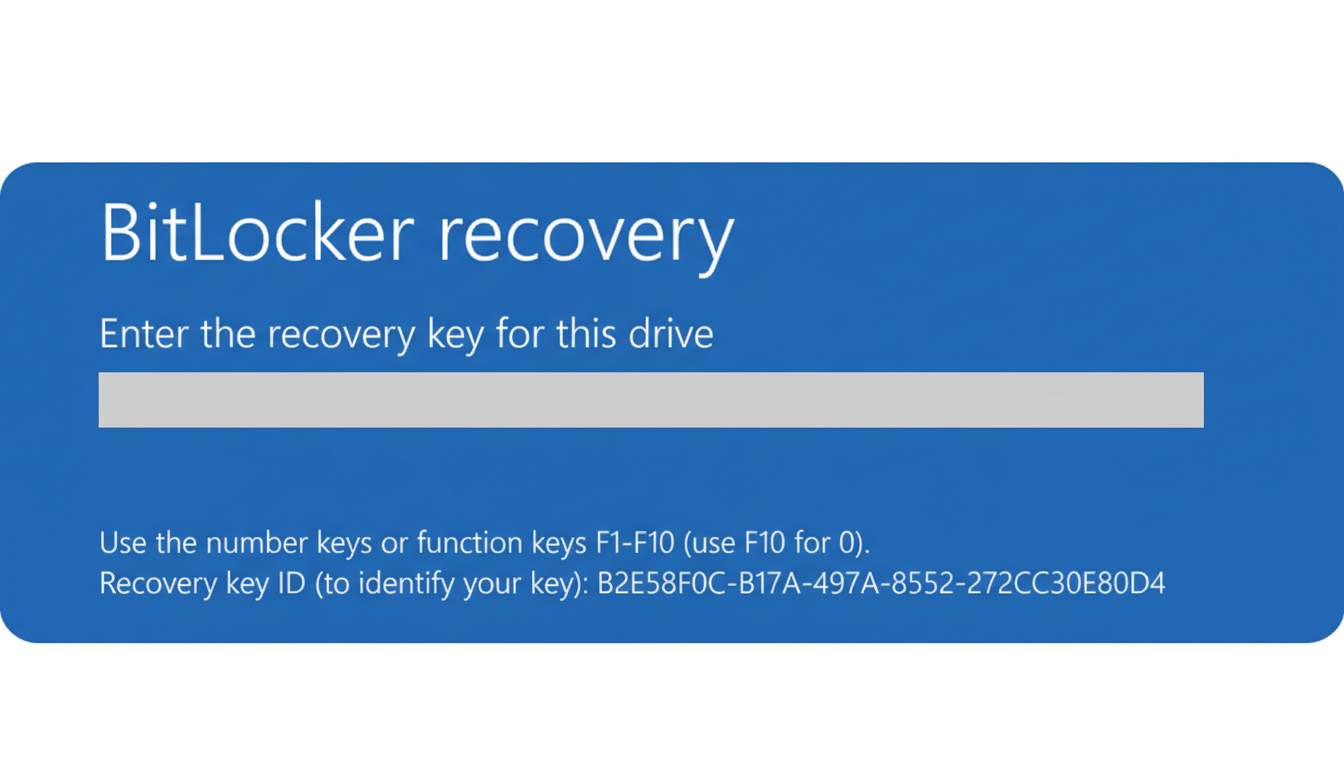
BitLocker is Windows full‑disk encryption. On many consumer PCs, “device encryption” or BitLocker can be enabled out of the box, and users may be prompted to store the recovery key in a Microsoft account for safekeeping. In business environments, keys are often escrowed to an organization’s directory service, such as Entra ID (formerly Azure AD), or kept on‑premises.
Escrowing a recovery key is not a cryptographic backdoor—it’s a design choice that creates a “front door” for account owners and, by extension, for authorities with a court order. In contrast, end‑to‑end models are designed so the provider does not hold keys and cannot decrypt. Where keys live determines who can be compelled to provide access.
How This Compares With Other Tech Approaches
Apple has long positioned iPhone device encryption as something it cannot unlock for police and has publicly resisted demands that would require creating new access mechanisms. Its fight over a locked iPhone after the San Bernardino attack became a defining example of that stance. More recently, Apple expanded end‑to‑end protections for iCloud backups through an opt‑in feature, reducing the company’s ability to comply with certain data requests.
Messaging platforms have also weighed in against key escrow mandates. WhatsApp and other providers have argued that building exceptional access would weaken security for everyone. That industry split is now on display: Microsoft’s BitLocker design allows optional key escrow to its servers, while rivals increasingly promote architectures where the vendor cannot assist even if it wants to.
Privacy and Legal Stakes of Escrowed BitLocker Recovery Keys
Johns Hopkins cryptographer Matthew Green told Forbes that Microsoft could choose to resist by redesigning defaults so it does not hold keys. His broader warning: once investigators obtain a recovery key, they can see the entire contents of a drive, potentially spanning far beyond the specific conduct under investigation. That places heavy reliance on legal minimization and agent restraint.
Civil liberties groups have long cautioned that key escrow creates systemic risk. While lawful access can solve real cases, centralizing decryption capability increases the potential blast radius of misuse, insider threats, or future policy changes. The BitLocker episode illustrates how product defaults—not just statutes—shape the balance between privacy and public safety.
What Users and IT Teams Can Do Now to Manage BitLocker Keys
For consumers: reviewing and storing recovery keys securely
Consumers can review where their BitLocker or device‑encryption recovery keys are stored by checking their Microsoft account and moving keys offline if they prefer self‑custody. Options include printing and securing the key in a safe or storing it on an encrypted USB drive. Deleting a cloud‑stored key reduces legal exposure to provider demands—but increases the risk of permanent data loss if you forget your password or hardware fails.
For enterprises: auditing BitLocker policy and key custody
Enterprises should audit BitLocker policies: decide whether to escrow keys to Entra ID or on‑premises services under company control, restrict user‑level uploads to personal accounts, and define legal‑request playbooks. Many organizations adopt split‑control or “hold your own key” patterns for cloud workloads; similar principles—clear ownership, strict access, and rigorous auditing—apply to disk encryption key management.
The Bottom Line on Microsoft Handing Over BitLocker Keys
Microsoft’s compliance with an FBI order shows how a single design decision—where a recovery key is kept—determines who can read encrypted data. For users who value maximum privacy, the takeaway is simple: control the keys or accept that lawful orders can open the door. For policymakers and platforms, the case renews a familiar question with new urgency: can society reconcile strong default security with targeted, accountable access without weakening both?
