


Meta is delaying the global expansion of its Ray-Ban Display smart glasses after demand exceeded supply, as a result, pausing scheduled launches in the UK, France, Italy, and Canada while waiting to fulfill orders in the US.
High Demand and Limited Supply Slow Global Expansion
Introduced at the CES technology conference, demand for the Ray-Ban Display has been better than expected, and supplies are still “very limited,” Meta said. The company said that the product was first-of-its-kind and that order queues were “very deep” — as a result, it is pausing its next wave of country launches.
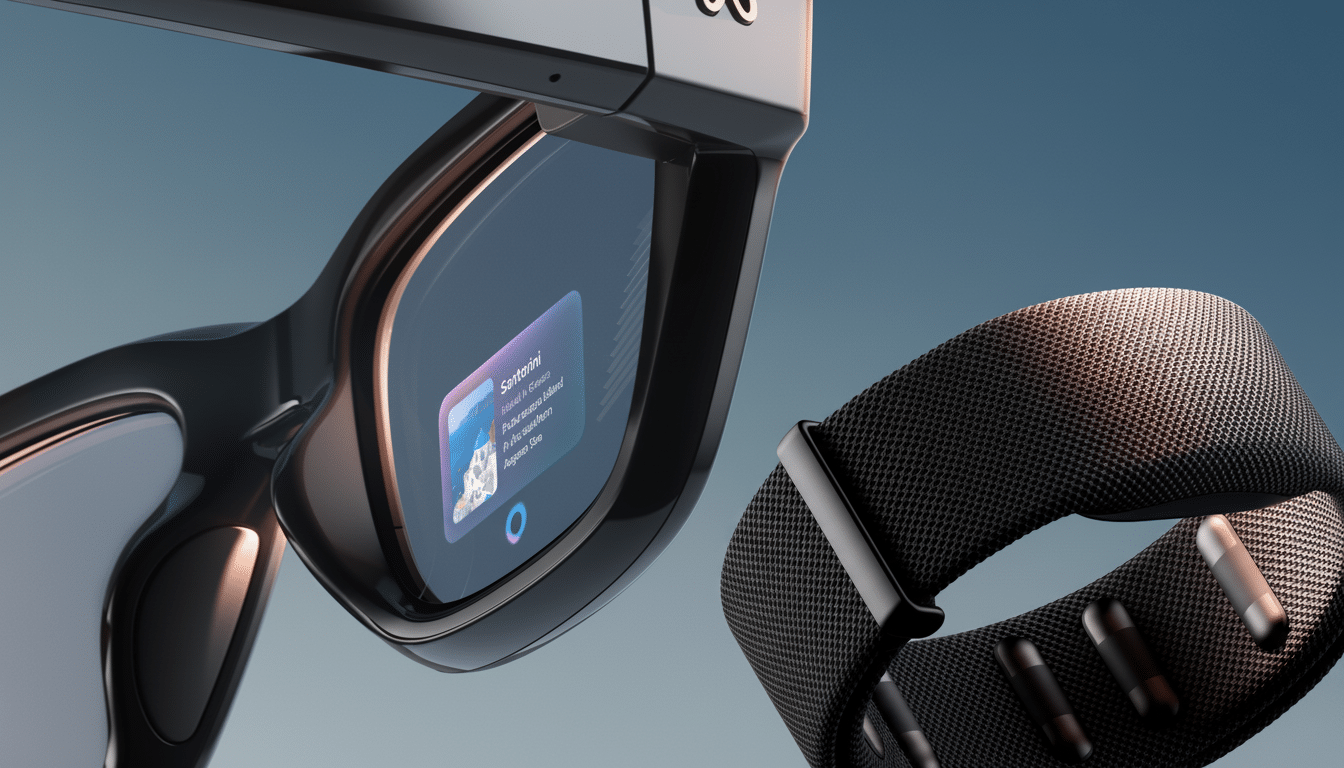
In a statement, Meta said it will prioritize getting units to the people who’ve already bought one in the US, while it “re-evaluates” timing and availability for other markets. The approach implies a staged ramping rather than a broad total holiday release — an architectural strategy that comes up more and more often with high-profile hardware where component yields, QC, and availability of support workflows are processes needing time to mature.
Ray-Ban Display, which costs $799, combines the fashion pedigree of EssilorLuxottica’s Ray-Ban brand with Meta’s AI software and camera-forward capabilities. Early adopters and reviewers continue to rave about the hands-free photo and video capture, voice-based interactions, and the ability to stay connected without reaching into a pocket, despite some early live demos showcasing first-wave hardware struggles.
Markets Affected and What Buyers Can Expect
Shoppers in the UK, France, Italy, and Canada will have to wait longer than they thought for official availability. Meta has not offered upcoming country-specific launch schedules and is signaling it will reconsider based on production capacity and post-launch support demand.
The company’s focus, for now, is to satisfy demand in the United States — a giant single market that offers lessons on everything from replacement logistics and repair pipelines to software updates and safety features. That can be all the more crucial in connected eyewear, where comfort, fit, and battery performance diverge widely between users; and where feedback loops are helpful to refine both AI experiences and hardware.
Why This Pause Is Important for Smart Glasses
The delay is a reminder of a tension that plagues the wearables category in general: Cool-looking, socially acceptable glasses are difficult to scale from a manufacturing standpoint. Coordinating among optical experts and the supply chain necessary to fabricate precision eyewear that incorporates cameras, sensors, radios, and processing circuitry is necessary. Marginal frame tolerance differences between different manufacturers may also influence yields and comfort.
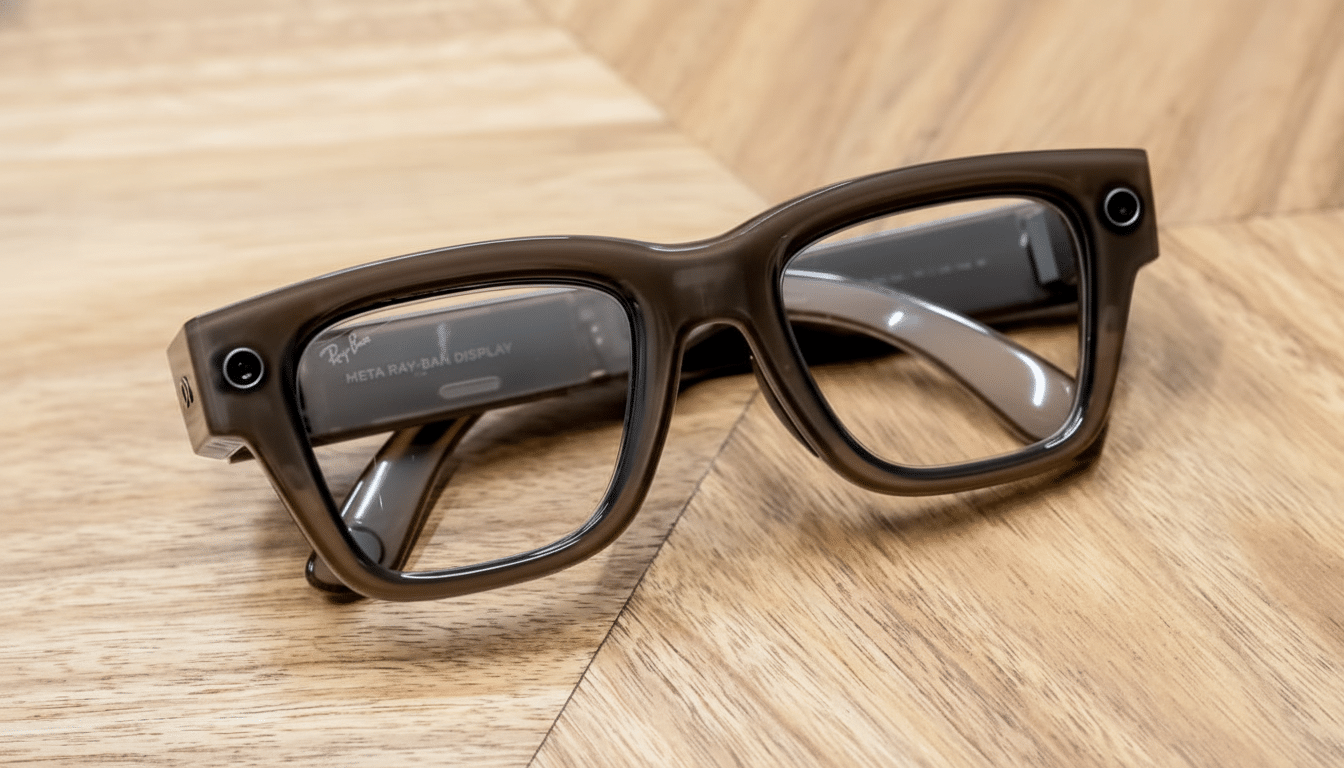
It also speaks to the evolving sentiment around smart glasses. Research firms, including IDC and CCS Insight, have pointed out that lightweight, camera-first glasses are enjoying more consumer momentum than chunkier mixed reality headsets, largely because of their comfort and mainstream looks. That doesn’t mean they are a well-established mass-market product yet, but it’s a significant shift from the early AR ambitions to everyday use cases like POV capture, messaging, and voice assistance.
Ray-Ban Stories, Meta’s initial foray, was at once promising and problematic. The Wall Street Journal in the past had reported that there were around 300,000 devices sold, with active usage being estimated somewhere at present in the low tens of thousands — a sign of how it’s not just selling units but keeping people engaged that will determine longer-term success. The current generation seems to be more successful at launch among consumers, but supply restraints may harm momentum if the issue isn’t resolved soon.
Privacy remains a parallel consideration. It’s all designed to prevent abuse through policy work, but public acceptance of face-mounted camera gear varies from region to region. The staggered release — in one market at a time — lets Meta refine the features and communications that accommodate local norms and laws before spreading.
What Comes Next for Meta’s Ray-Ban Smart Glasses
Meta says it is reconsidering the international exposure and intends to post information when it decides to balance its supply with demand. For potential buyers outside the US, the logistical takeaway is to anticipate a longer wait and look out for official guidance via Meta’s product channels and Ray-Ban retail partners.
For the industry, the lesson is clear: There’s an appetite for fashionable AI-enabled eyewear, but scaling is still the challenge. If Meta can turn early buzz into consistent production and regular support, the Ray-Ban line may be the first smart glasses product to gain mainstream traction — one cautious market at a time.
