


Meta is weighing an update to its Ray-Ban smart glasses that would add facial recognition, according to a report from The New York Times. The capability, internally dubbed “Name Tag,” would let wearers identify people and surface details through Meta’s on-device assistant, signaling a major leap in ambient AI—and an equally major test of public trust.
What the report says about Meta’s facial recognition plans
The Times describes ongoing internal debates at Meta over how to ship the feature responsibly, noting that plans and timing could still change. An internal memo cited by the outlet suggests the company explored a limited pilot for people with visual impairments before a broader rollout but ultimately paused. The reporting also indicates Meta perceives the broader political climate and attention cycles as variables in how the launch might land.
- What the report says about Meta’s facial recognition plans
- How Meta’s Name Tag facial recognition could work
- Privacy and legal hurdles facing wearable face recognition
- Why Meta might move now on smart glasses face recognition
- Technical and safety realities for on-device recognition
- What to watch next as Meta weighs a broader rollout
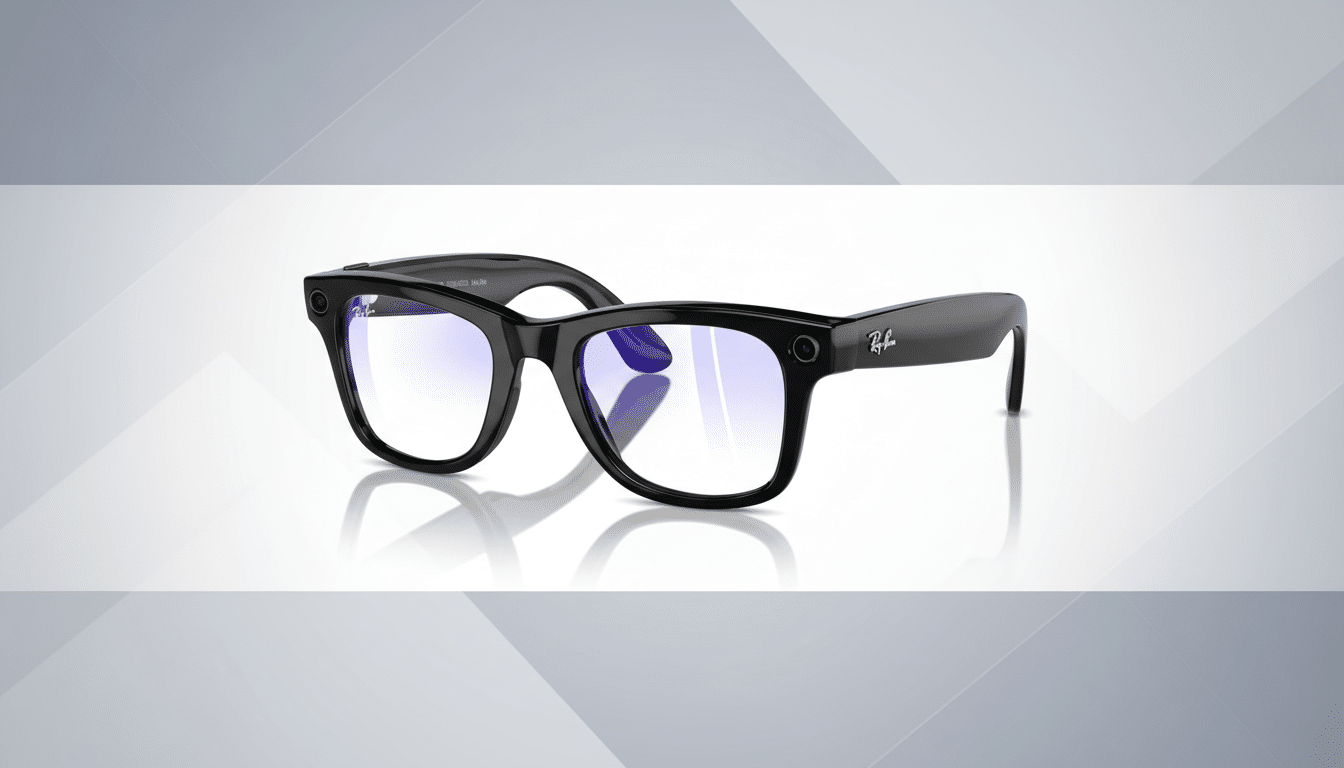
Meta previously considered adding facial recognition to earlier smart glasses but retreated amid technical and ethical concerns. The renewed push comes as the latest Ray-Ban line, infused with a multimodal AI that can identify objects and translate text, has outperformed early expectations and drawn fresh interest in hands-free computing.
How Meta’s Name Tag facial recognition could work
Based on the report and Meta’s current hardware, a plausible path is on-device matching of faces captured by the glasses’ cameras against a user-authorized roster, with Meta AI narrating or displaying the result. That would minimize cloud exposure and allow granular controls, such as recognizing only opted-in contacts or people who explicitly consented via the Meta ecosystem.
Expect geofencing and feature gating by jurisdiction. Biometric data is heavily regulated in Europe and several U.S. states, and the product already signals recording with LED indicators—an approach Meta could expand with more persistent visual cues, audible chimes, or voice prompts to reduce surprise captures in sensitive settings.
Privacy and legal hurdles facing wearable face recognition
Facial recognition is one of the most sensitive categories of data under laws such as the EU’s GDPR and Illinois’ Biometric Information Privacy Act. BIPA has driven some of the largest consumer privacy settlements on record, including Facebook’s payout over photo tagging templates, and it requires explicit informed consent before collecting or using biometric identifiers.
Regulators have also sharpened scrutiny. The Federal Trade Commission issued a policy statement warning companies that biometric tech can amplify harms like stalking, discrimination, and unauthorized surveillance. In Europe, regulators have flagged wearable cameras multiple times, and the upcoming AI rulebook tightens guardrails around biometric identification in public spaces. Some U.S. cities, including Portland, restrict facial recognition in places of public accommodation, creating a patchwork Meta would need to navigate.
Civil liberties groups such as the ACLU and the Electronic Privacy Information Center argue that putting face ID on wearables risks normalizing real-time identification in everyday life. Their core concerns: misidentification, function creep, covert tracking, and the chilling effect on public participation. Even if recognition is accurate, the mere availability of the capability can change how people behave in public.
Why Meta might move now on smart glasses face recognition
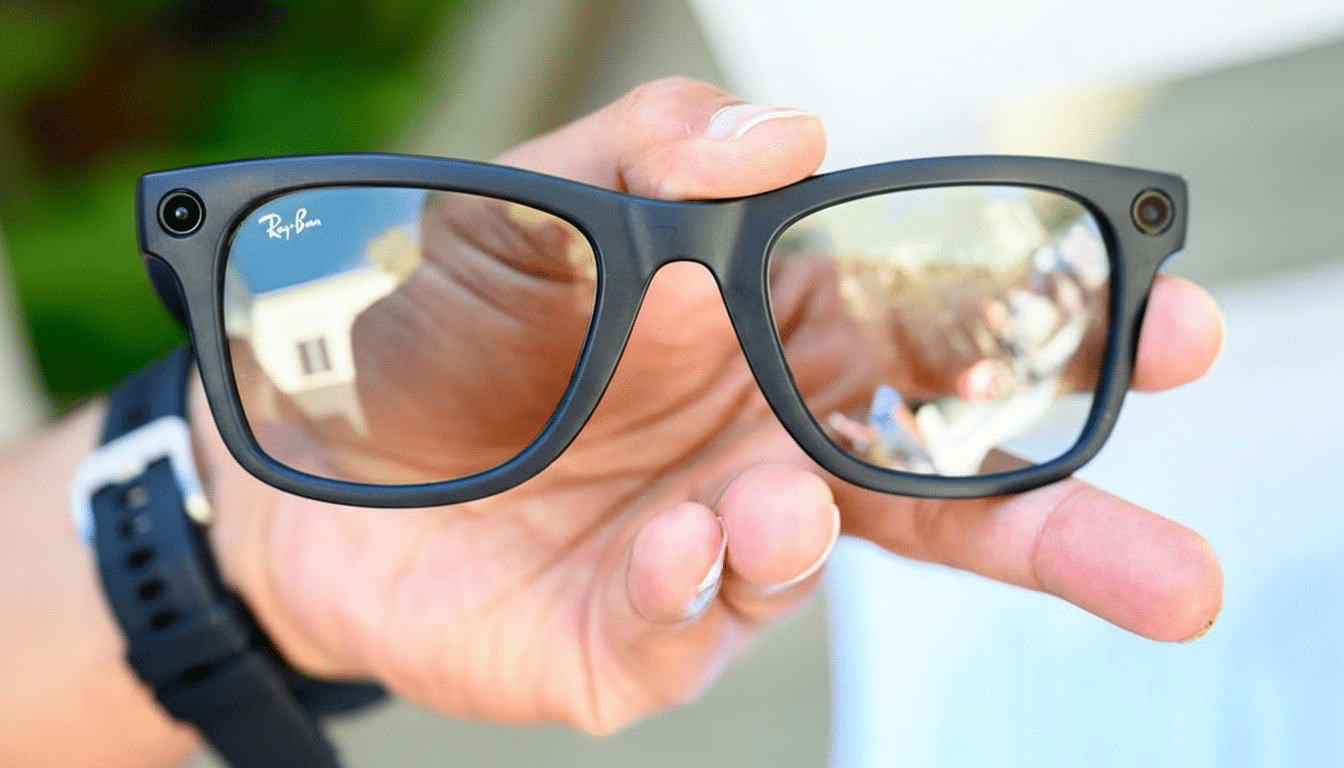
Meta has been steadily reframing its glasses as a practical assistant, not a novelty camera. Always-available context—who is in the room, pronunciation of a new colleague’s name, reminders about past meetings—fits that mission and could be especially helpful for people with low vision or memory impairments.
At the same time, the company has tried to reset its reputation around face data by shutting down its old social network face recognition system and deleting underlying templates. A tightly scoped, opt-in approach—limited contact matching, clear consent flows, and strong data minimization—would test whether the public is willing to trust Meta with a more surgical version of the technology.
Technical and safety realities for on-device recognition
Face recognition has grown far more accurate in controlled settings, with evaluations by the National Institute of Standards and Technology documenting dramatic gains over the past decade. But performance still degrades with off-angle shots, low light, occlusions, or motion—exactly the conditions common for head-mounted cameras. That raises practical risks: false matches, bias across demographics, and inconsistent results that undermine user trust.
Mitigations likely include strict thresholds for matches, frequent prompts to confirm identity, and default-off recognition in crowds or sensitive venues. On-device processing would reduce exposure, while periodic model updates could align with Meta’s broader AI safety playbook, including red-teaming and privacy reviews.
What to watch next as Meta weighs a broader rollout
Signals to track include whether Meta commits to explicit, revocable consent from recognized individuals, publishes detailed data retention limits, and offers a universal opt-out or “do not identify” registry. Industry observers will also look for regional availability differences, enterprise pilots in accessibility contexts, and whether competing platforms set stricter store policies against third-party face recognition apps.
If Meta proceeds, “Name Tag” could define the social contract for ambient AI: a test of whether hands-free convenience can coexist with meaningful privacy protections in the most intimate biometric domain. The company’s choices on scope, consent, and transparency will determine whether this becomes a mainstream assistive feature—or a flashpoint that invites regulatory blowback.
