


Meta has put a temporary stop to its plan to license out Horizon OS to third-party XR hardware makers, shelving early partnerships with ASUS and Lenovo in order to focus on first-party Quest devices. The change, which the company confirmed, refines Meta’s immediate focus to tweaking its own hardware and software stack rather than seeding a big partner ecosystem.
A reboot of strategy for Horizon OS and third-party plans
Horizon OS — the renamed Meta Quest operating system that was announced to run on a wider range of mixed reality headsets than just Meta’s own lineup — had opened the door to partners.
- A reboot of strategy for Horizon OS and third-party plans
- What the Horizon OS pause means for ASUS and Lenovo
- Ecosystem stakes across XR as platform strategies diverge
- Why Meta is now focusing on first-party Quest devices
- Implications for developers and consumers during the pause
- The road ahead for Horizon OS, Quest, and XR platforms
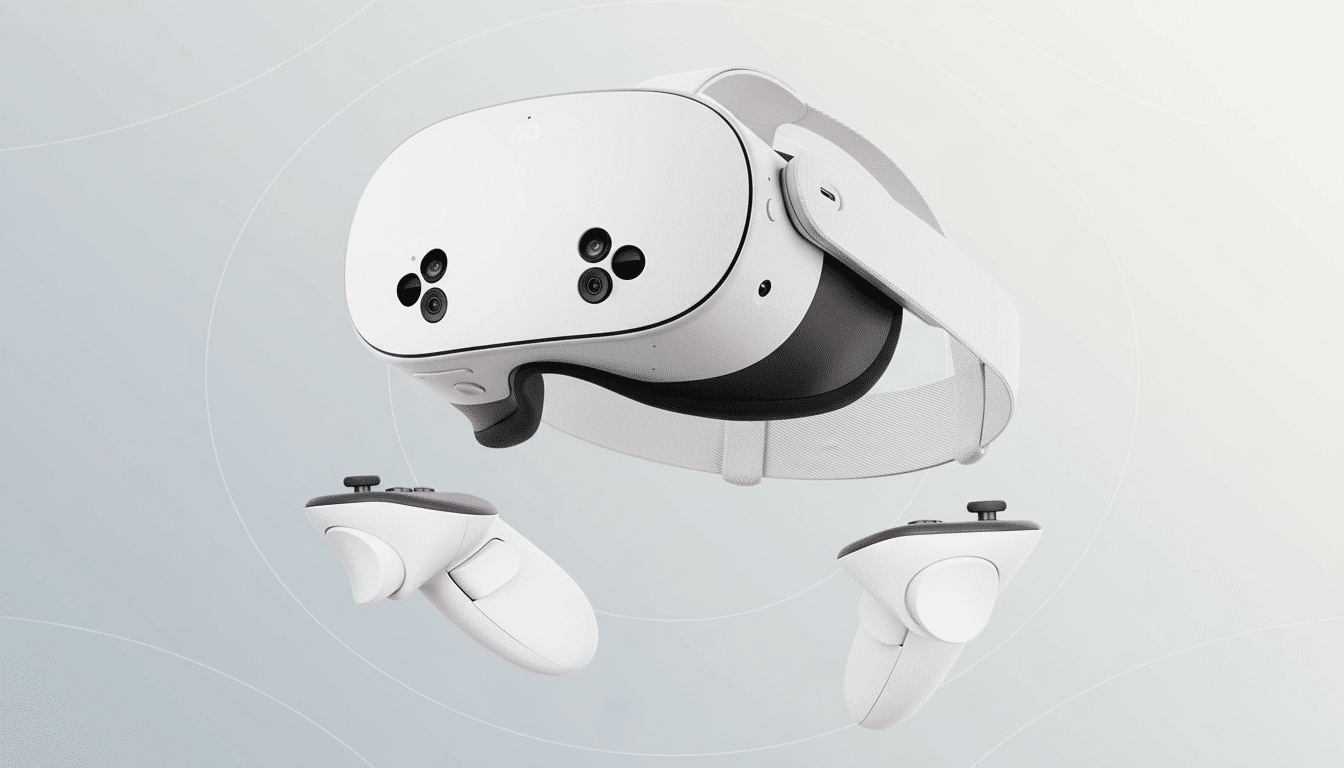
Industry sites have also reported that Meta had already secured ASUS and Lenovo to manufacture gaming-oriented and productivity-focused Horizon OS devices. Now, Meta claims that third-party hardware efforts are on hiatus as it focuses on releasing “world-class” first-party products.
The decision comes after months of recalibration throughout the XR industry. Whereas Apple put Vision Pro front and center, and Google previewed Android XR to woo OEMs, Meta seems more focused on curating what developers build for clarity of vision, direct developer support, and risk reduction around fragmentation. Business Insider also reported that Meta’s timeline for its next mixed reality device is slipping, due to internal reprioritization.
What the Horizon OS pause means for ASUS and Lenovo
ASUS, under its Republic of Gamers banner, was likely to take an enthusiast approach with a Horizon OS headset, and Lenovo made sense for education and enterprise thanks to its VR/AR experience as part of devices like the Mirage line and the ThinkReality lines.
With the program paused, both companies lose an immediate path to utilize Meta’s content library, hand tracking, and passthrough mixed reality features in the short term.
That does not foreclose future work with Meta, but it puts off a potentially important channel strategy. Lenovo, in the past, has tended to favor enterprise deployments where device management and support are as important as raw specs, and ASUS has the gaming distribution muscle to move units quickly. Nor will users be able to try those benefits under Horizon OS any time soon.
Ecosystem stakes across XR as platform strategies diverge
The decision further sharpens a contrast in platform tactics. With visionOS, Apple is constructing a walled-garden premium stack. Android XR will be behind Android’s gate, yet still become more of an OEM-friendly platform, pairing with silicon partners aiming to help bring new devices to market faster from multiple manufacturers. Meta’s decision to go first-party could lead to a more unified Quest experience, but it removes the diversity of hardware options that might have extended Horizon OS into technologies like esports, industrial training, or education-tailored designs.
There are also market timing issues. XR market watchers like IDC have seen the XR market stumble before rebounding with the latest generation of mixed reality devices. Meta’s Quest family is still the installed-base leader in consumer VR, providing developers a large installed base. A partner ecosystem could have expanded that base, but it would also have increased the complexity of updates, certification, and support.
Why Meta is now focusing on first-party Quest devices
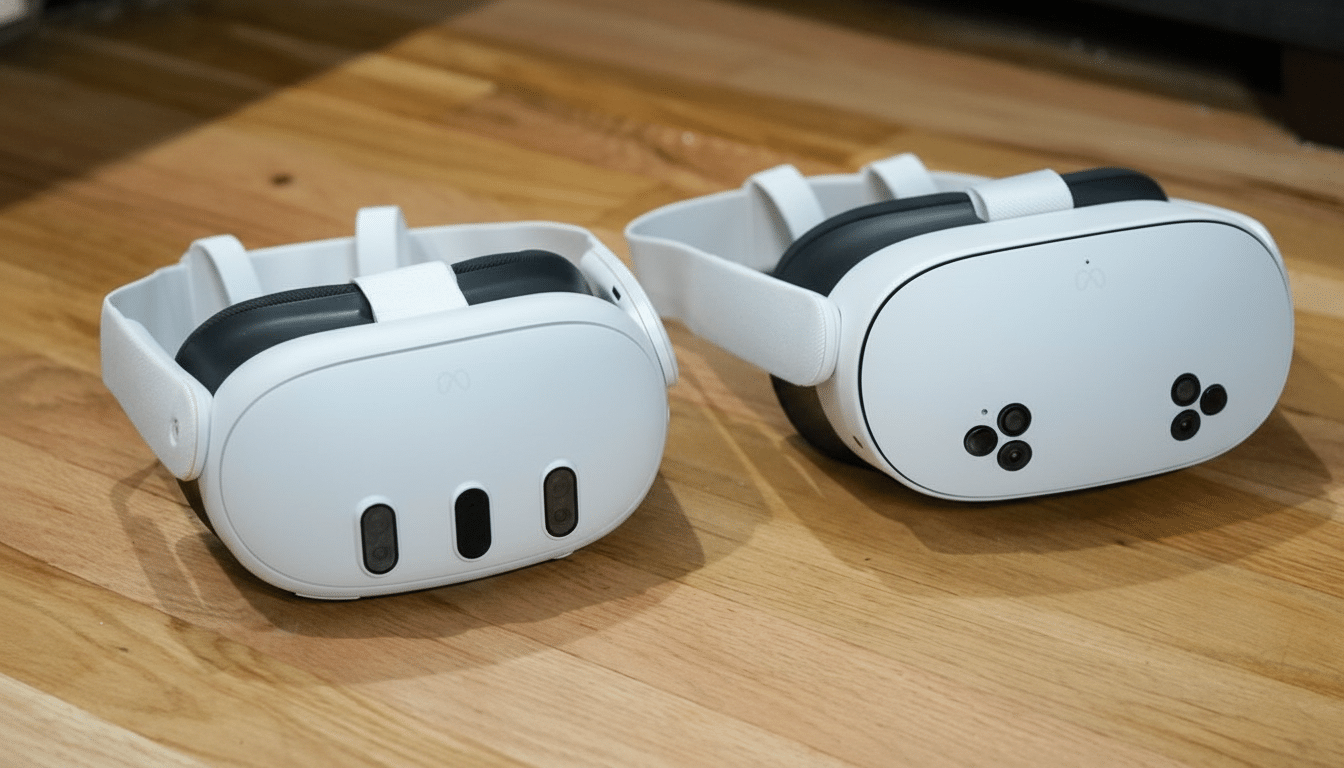
Creating great XR hardware takes a village (of disciplines). Bringing immersive experiences to life on XR devices requires excellence across optics, displays, sensors, silicon photonics, thermals, and ergonomics. By controlling both the hardware and Horizon OS, Meta can move features more quickly between them, such as higher-fidelity passthrough, inside-out tracking improvements, and power-efficient rendering techniques (foveated). It also allows Meta to push system-level social features and safety controls without waiting for multiple vendors to catch up.
There is also a financial calculus. Meta’s Reality Labs unit reports annual losses of multiple billions of dollars, according to company earnings filings. Focusing investment on devices with more obvious product-market fit and margins, rather than underwriting a broad partner rollout, could be viewed as disciplined risk management while the category finds its sea legs.
Implications for developers and consumers during the pause
For developers, near-term priorities become easier: build for Quest 2 and 3 — and Meta’s as-yet-unannounced first-party roadmap.
- It increases the chance of recovering development costs.
- It decreases load on QA across different hardware profiles.
If Meta is ever ready to resurrect its partner program, anticipate even more rigorous certification, tighter performance requirements, and clearer indications of how input needs to be standardized across the board in order to maintain compatibility.
Consumers can expect Meta to continue iterating on comfort, battery life, passthrough quality, and onboarding. The trade-off is less selection in the Horizon OS universe, at least for now. Alternatives remain — Pico in some markets, HTC for prosumers, Sony’s PS VR2 for console-focused experiences — but Meta’s store, social graph, and game catalog still form the bedrock of the mainstream.
The road ahead for Horizon OS, Quest, and XR platforms
Reports from Road to VR and other industry watchers indicate that Meta is emphasizing platform polish over quick ecosystem growth. Look for software updates that deepen mixed reality use cases, more aggressive developer tools, and strategic hardware refreshes based not on headline-worthy specs but rather on affordability and comfort.
If Android XR succeeds in drumming up support among OEMs during this break, Meta could see new platform rivalries throughout 2025 and beyond. For the time being, Meta has put its chips down on a Quest-focused experience — one tied to Horizon OS and undergirded by its own devices as the most direct route from XR novelty into daily utility.
