


I set out ready to dump my Verizon postpaid plan for a cheaper prepaid option. After running the numbers, taking fresh discounts, and weighing a limited-time free line credit, I ended up staying put. The savings to switch were real but smaller than expected once all the fine print, fees, and device balances were counted.
What The Switch Would Really Cost After Fees And Balances
My starting point was a legacy Verizon plan with three paid lines, plus a device still on installments. Verizon then dropped my bill with targeted loyalty credits: $20 off two lines and $10 off a third, a $50 monthly reduction that immediately narrowed prepaid’s advantage.
Prepaid quotes looked compelling. A mix of options like Visible and US Mobile put comparable unlimited plans in the $25–$45 range per line, depending on features and multi-line pricing. On paper, shifting three lines could shave $10–$20 per month versus my discounted Verizon total, particularly where some prepaid plans bake taxes and fees into the sticker price.
But the switch wasn’t “free.” Leaving now meant writing a roughly $500 check to clear my last device balance. Add SIM and activation costs and the risk of losing promotions mid-term, and my annual savings shrank to roughly $50–$75. That’s real money, but it would take years to recoup the lump sum payoff at that rate.
The Promotion That Tilted The Equation In Verizon’s Favor
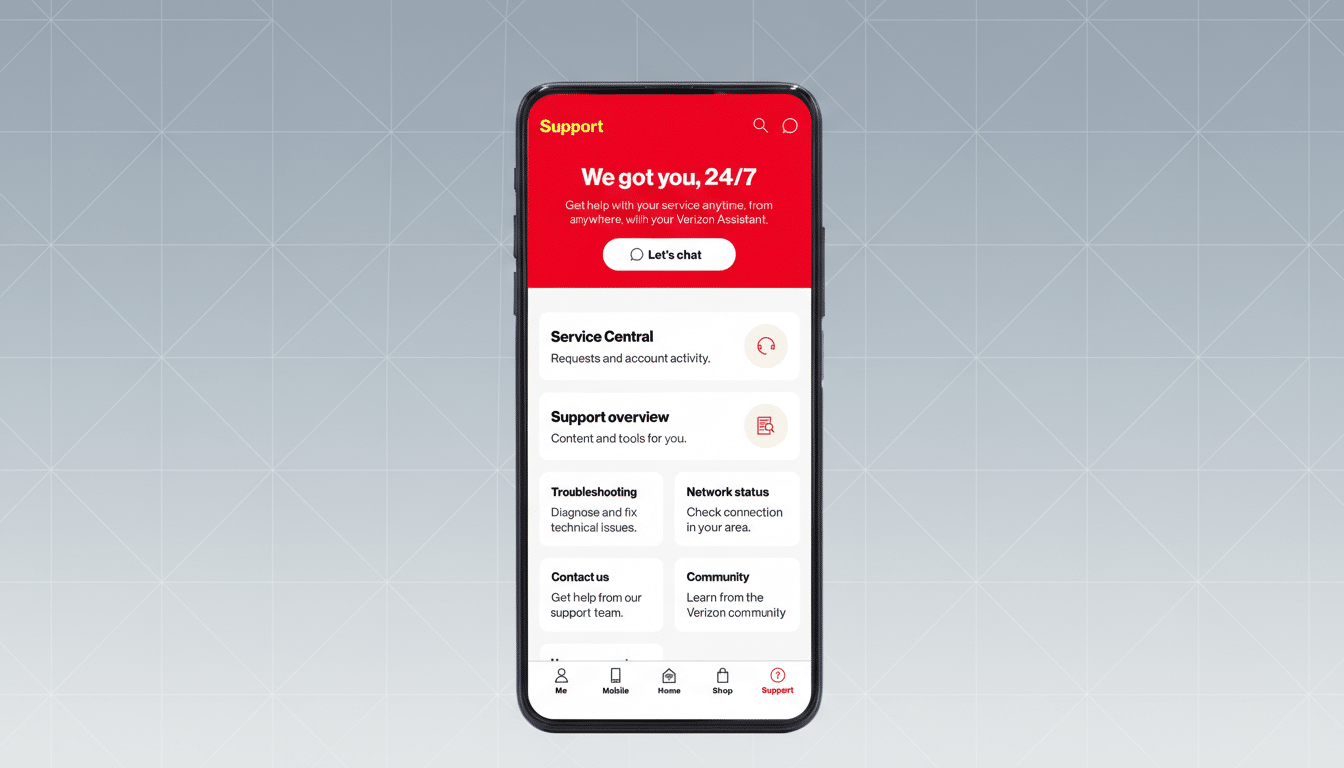
Verizon also brought back a free line promotion. These aren’t truly “free” — taxes and fees still apply — but the recurring monthly credit over a 36-month period effectively zeroed out a line’s service charge. On my account, it undercut what I was paying to keep a separate prepaid line for my younger son.
There’s a catch: such credits typically require you to stay for the full term. If you leave early, the credit disappears. For me, though, it functioned as a bridge — a short-term savings boost while I finish the last device payments. It didn’t trap me; it just made waiting a little smarter.
Prepaid Value Versus Postpaid Perks And Performance
Pure price isn’t the only variable. On network performance, third-party data continues to show Verizon near the top for consistency and coverage. Recent studies from Opensignal and Ookla point to strong reliability across wide geographies, which matters if you roam beyond metro cores.
Priority and “premium data” also differ. Postpaid lines generally get higher priority on congested towers and more premium data before slowdowns. Visible’s higher tier includes premium access (historically around 50GB), while US Mobile’s top plan offers generous premium allotments. The exact thresholds vary, but if you often hit stadiums, downtown corridors, or busy corridors at peak times, priority can be the difference between streaming and spinning.

Customer care played a smaller, but real role. J.D. Power’s wireless care studies routinely show postpaid brands edging prepaid on live support satisfaction. I’ve had smoother resolution paths with Verizon than with app-first prepaid. If you rarely contact support, this may be irrelevant. If you’ve ever needed escalation, it can be worth a few dollars a month.
Taxes and fees also muddy the math. Many postpaid bills tack on $6–$15 in surcharges per line; several prepaid plans roll them in. The FCC’s reports on wireless competition note how these add-ons complicate price comparisons. For me, after discounts and the free line credit, those extras no longer flipped the outcome.
Where Prepaid Still Wins For Single Lines And Families
If you’re not carrying device financing and you don’t need postpaid perks, prepaid can win outright. Single-line users often see the biggest delta, with savings of $15–$25 per month versus a comparable postpaid plan. Families that already own their phones free and clear can stack multi-line discounts to widen the gap.
Travel patterns matter, too. If you stay in strong coverage areas and rarely hit congestion, deprioritization may never bite. Many prepaid plans also now offer hotspot, international add-ons, and Wi-Fi calling, narrowing the features gap that once made postpaid a no-brainer.
My Takeaway And Next Steps After Running The Numbers
After discounts, a time-limited free line, and the reality of a $500 device payoff, my savings to switch shrank to the low double digits per month. I could still move and bank a little cash, but the breakeven timeline didn’t justify the hassle — not yet.
I’m staying with Verizon while I finish the last device payments and monitor promos. Once my balance hits zero and the free line credit nears its end, I’ll rerun the numbers. If prepaid closes the performance gap or the price gap widens, I’ll switch. For now, the spreadsheet — not inertia — keeps me where I am.
Bottom line: do the full math. Include device balances, taxes, fees, credits that vanish if you leave, network priority, and your actual usage. The headline price is just the start.
