


Mangmi is sweetening its upcoming Pocket Max handheld with a perk that speaks directly to enthusiasts. Early buyers will receive a complimentary set of microswitch controller modules, a small but meaningful upgrade that enhances feel and durability while boosting the device’s already aggressive value proposition.
Why the Free Modules Matter for Early Pocket Max Buyers
The Pocket Max ships with soft membrane modules for its face buttons and D-pad, but the add-on microswitch modules deliver a crisp, clicky response favored by fighting-game fans and precision platformer players. These modules were slated to be a paid add-on—recently listed at $15—yet Mangmi is now bundling them at no extra cost for a limited window.
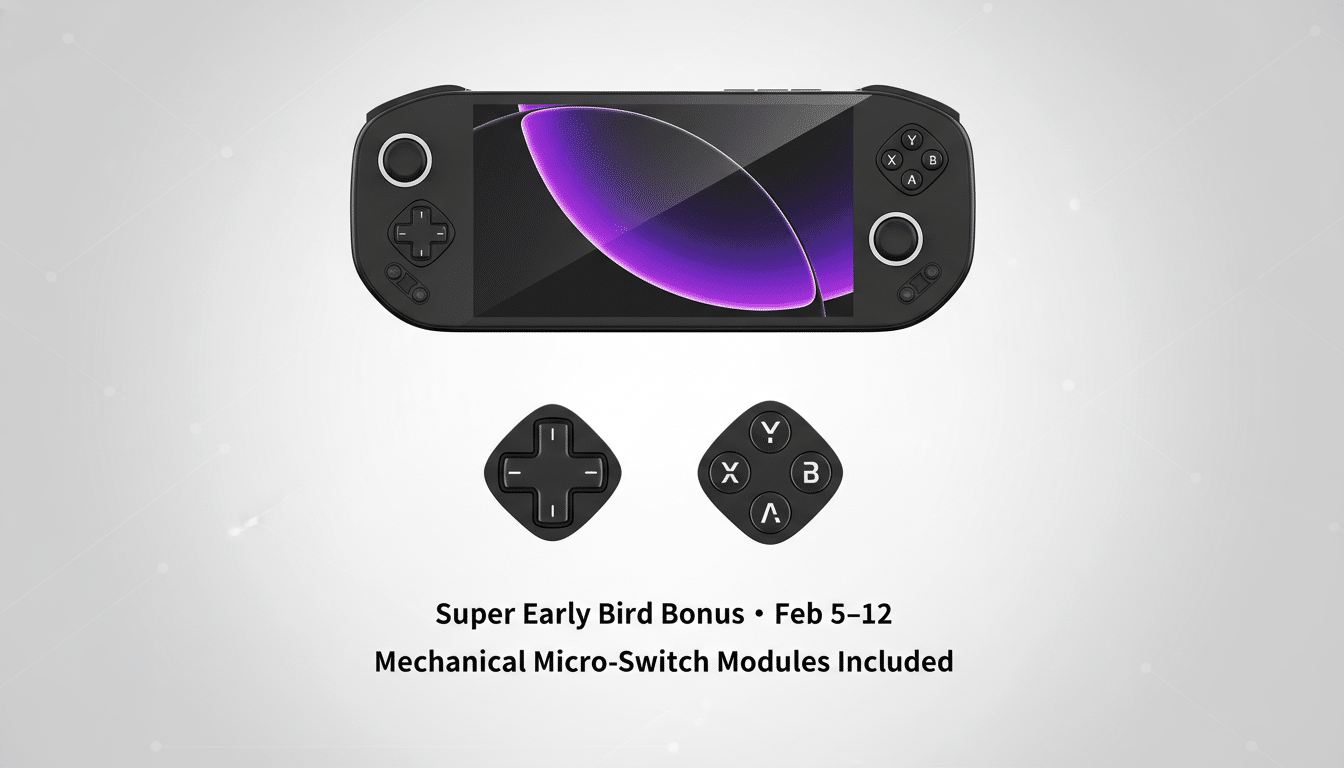
While the modules are swappable, they aren’t reconfigurable—you can’t move the D-pad above the sticks or change the overall layout. Still, microswitches typically offer a tighter activation point and are often rated for millions of actuations, translating to more consistent inputs and longer-term reliability. For a handheld built around modularity, including both feel profiles out of the box removes a key decision for buyers.
Display and Performance Snapshot for Pocket Max
The headline spec here is a 7-inch 144Hz AMOLED panel—an uncommon combination in Android handhelds at this price. Expect inky blacks, punchy colors, and very fast pixel response that can reduce perceived blur in fast shooters and racers. High-refresh displays also make cloud gaming and remote play feel more fluid when your network can keep up.
Under the hood, Mangmi is using Qualcomm’s Snapdragon 865, a proven platform seen in recent retro-focused devices like the Retroid Pocket Flip 2 and Retroid Pocket 5. While it’s not the newest chip, Qualcomm’s track record with sustained performance and broad driver support makes it a sensible choice for Android titles, classic console emulation, and game streaming. Independent testers such as ETA Prime and Retro Game Corps have shown that 865-class handhelds handle most systems up to the sixth generation well, with selective success on more demanding workloads depending on configuration.
The combination of a high-refresh AMOLED and a stable 865 means the Pocket Max should excel at genres where responsiveness and contrast are noticeable—twin-stick shooters, 2D fighters, and retro libraries—without the thermal and battery penalties associated with more power-hungry silicon.
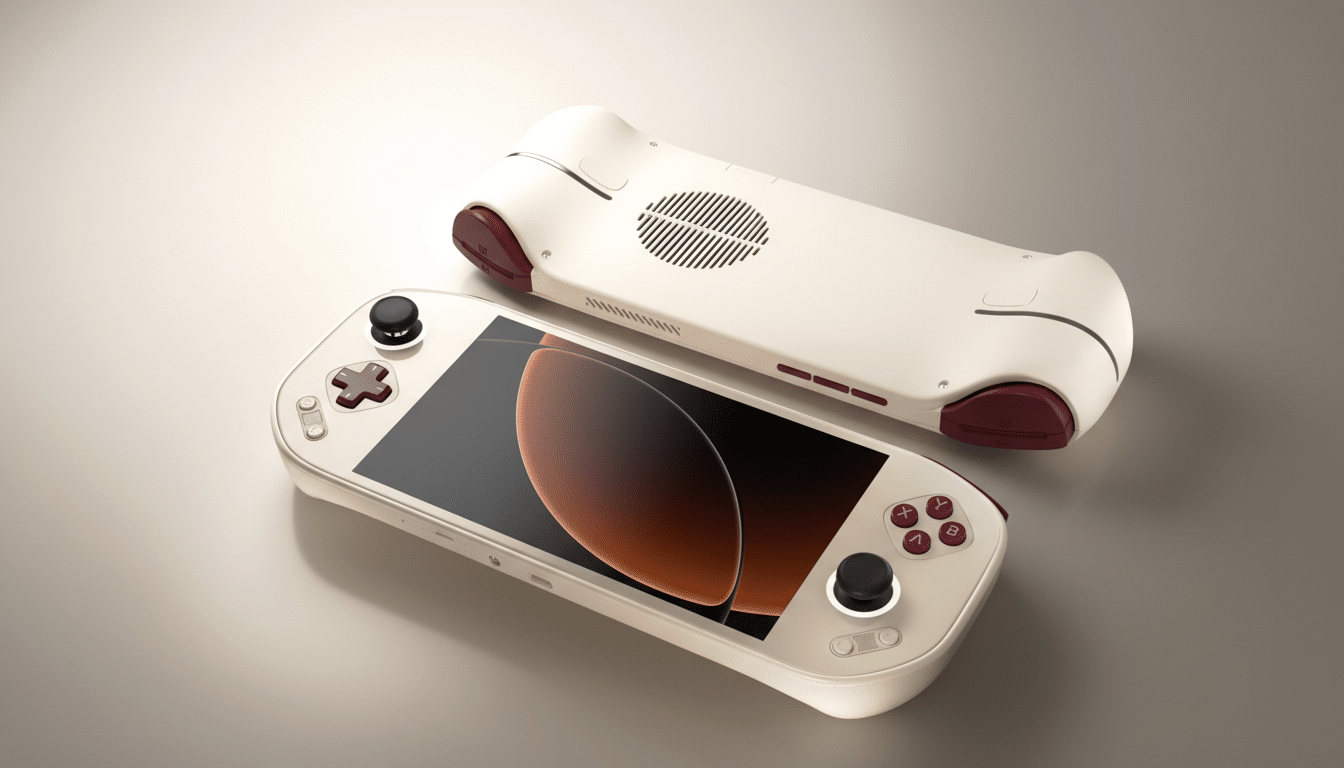
How Pocket Max Stacks Up Against Its Closest Rivals
The obvious comparison is AYN’s Odin 2 Portal, currently hovering around $250 and built on Snapdragon 8 Gen 2. That chip offers a substantial generational leap in CPU and GPU capability, which pays dividends for heavier Android titles and more reliable Switch or PC emulation. If you want the broadest headroom, the Odin 2 Portal has the advantage.
Where the Pocket Max counters is value and display quality. At a Super Early Bird price of $199, it undercuts most 7-inch competitors and includes that 144Hz AMOLED and the bonus microswitch kit. For buyers who prioritize screen fidelity, latency, and a comfortable input feel over chasing the highest emulation tier, the Pocket Max’s proposition is compelling.
Pricing and Availability for the Pocket Max Launch
Mangmi’s introductory offer sets the Pocket Max at $199 for early orders, with free microswitch modules bundled for a limited time. The stated retail price is $240 once the launch window closes, and the modules are expected to return to their standalone accessory status after the promotion.
Sales are being handled through the company’s official storefront. As with many electronics shipping from East Asia, holiday closures and high initial demand could impact fulfillment timelines, so availability may vary by batch.
Bottom Line: Is Mangmi’s Pocket Max Worth It Now?
The Pocket Max was already poised to be one of the most affordable 7-inch Android gaming handhelds. Adding free microswitch modules makes the deal more attractive for players who care about input feel as much as frame rates. If your priorities include a premium display, versatile controls, and a friendly entry price, this is a timely offer. If you need maximum horsepower for cutting-edge emulation, the pricier competitors built on Snapdragon 8 Gen 2 still hold the performance crown.
