


LG is bringing back its ultra-thin Wallpaper design with the OLED evo W6, a flagship OLED TV that’s only 9mm thick. That’s about 0.35 inches — thin enough to hug a wall in any room but still thicker than even the slimmest soundbars. Revealed at the biggest home-entertainment event of the year, the W6 uses a wireless connection box to keep the panel clean while offering features designed for both cinema purists and high-frame-rate gamers.
The W6 has made its debut with a handcrafted statement in a segment that is seeing design and performance align for more harmonious results. The set purportedly improves brightness, color fidelity, and black levels over its predecessor, and it carries a “reflection-free” certification from testing authority Intertek — a headline-stealing combo for anyone grappling with daytime glare or pining for an art-gallery aesthetic.
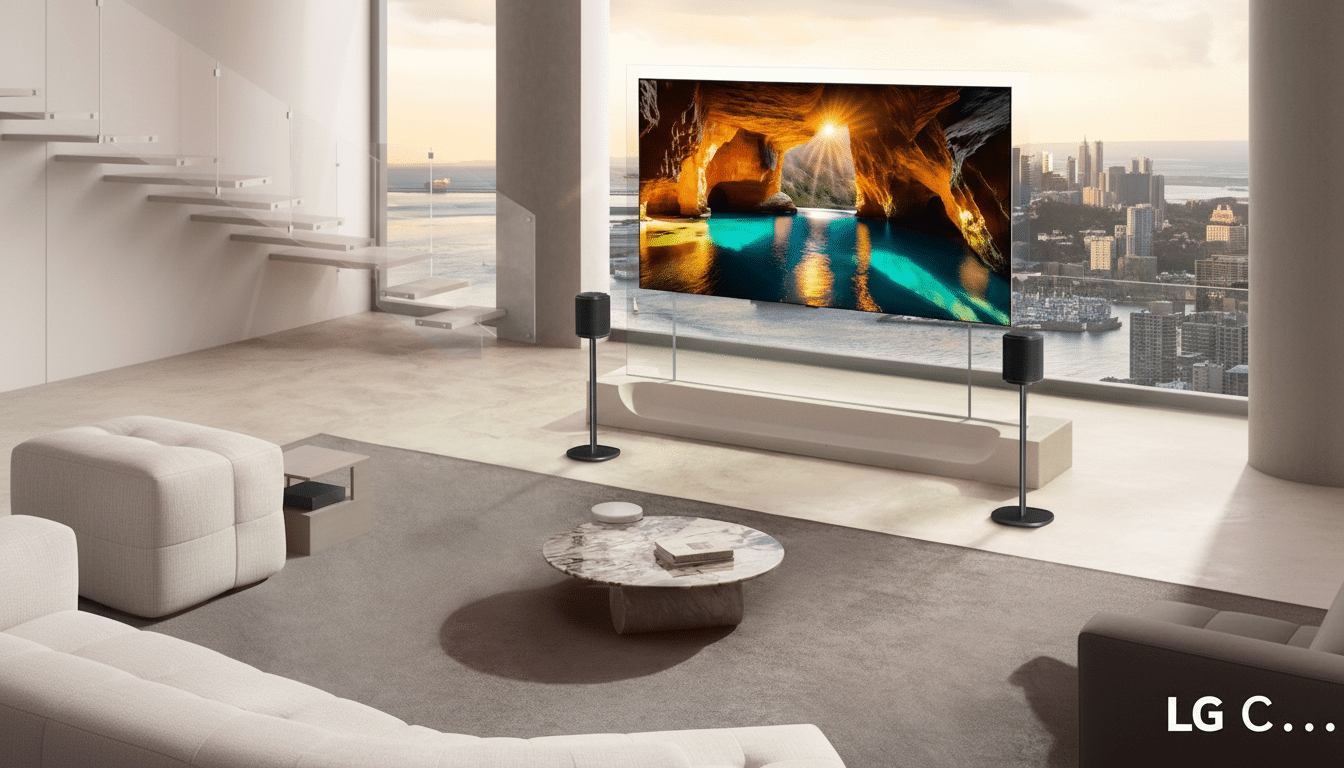
Why a 9mm-thin OLED TV design matters on your wall
At only 9mm, the panel is more like wall art than a traditional TV. The practical upshot is a cleaner install: There’s now little shadowing around the bezel, and there’s less of an appearance that the screen looks dropped into the room. For interior design, that translates to less visual bulk and an attractive, pencil-thin profile for cheaper frames or recessed mounts that require carpentry. It’s also a technical flex — keeping such thin OLEDs cool, with carefully distributed components and heat spreaders to preclude hotspots and extend lifetime.
Don’t get me wrong, thickness numbers can be misleading since most TVs reduce their girth around the edges, but 9 millimeters front-to-back sure seems a hell of a lot slimmer than the midriff on your average premium set.
LG’s method relocates many of the connections and processing away from the panel itself; that helps reduce wall clutter associated with cables and other objects inside a wall.
Zero Connect Box ditches the cables, goes wireless
Key to the W6 is LG’s Zero Connect Box, which allows for lossless 4K video and audio streaming to the screen within a 10-meter radius — about 33 feet, give or take.
In practice, that moves the brains of the system (and all the ports) off the wall and amid your game consoles, set-top boxes and AV receivers, while the panel requires nothing more than power. For people with living rooms in which running long HDMI cables is a pain, this is a significant simplification.
“Lossless” is the operative word. Wireless video systems tend to add compression or latency; LG’s statement implies a transport built around maintaining signal integrity. Like any high-bandwidth wireless connection, the placement is important. Removing obstructions and interference should keep a connection humming along — especially in apartment buildings filled with devices. The payoff is cable-free good looks without cramping 4K picture quality.
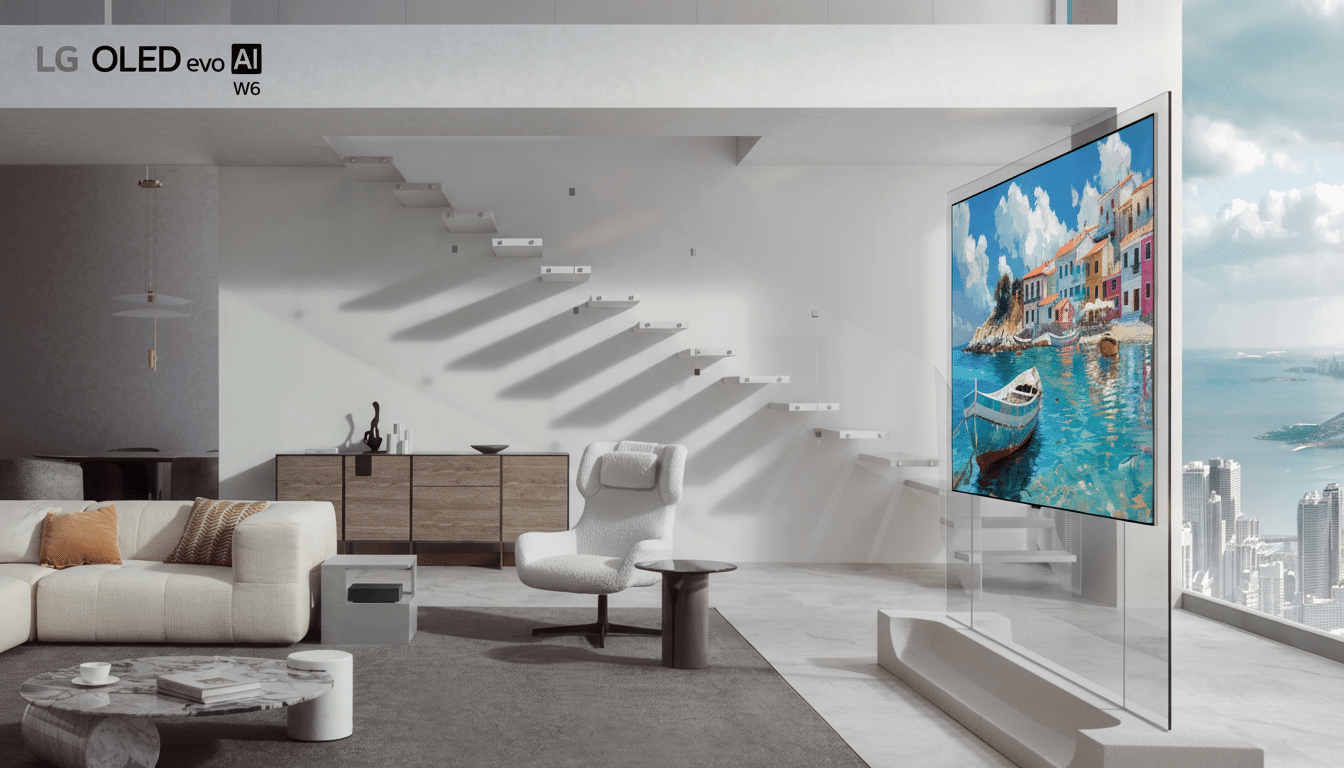
Faster OLED panel with gaming features up to 165Hz
The W6 panel achieves up to 165Hz, a significant jump over the maximum of 120Hz offered by high-end TVs. For PC gamers, that means the potential for smoother motion and less input lag across a variety of resolutions. The display is compatible with AMD’s FreeSync Premium technology, which allows for variable refresh rates to help eliminate tearing and stutter when your frame rate isn’t stable — a feature that appears on more enthusiast monitors and is a necessity if you want to be competitive.
Consoles typically aim for 120Hz, but the extra headroom is handy if you have a well-equipped PC powering through esports titles that are capable of hitting 144–165 frames per second. Combine that with OLED’s near-instant pixel response and you have sharp motion with less smearing than a lot of LCD-based models — especially in the dark, where OLED is king.
Less screen glare and a brighter, more accurate picture
LG points to brightness, color accuracy and shadow detail as the trifecta that influences how convincing HDR looks in actual living rooms. Intertek’s “reflection-free” certification means the screen is designed to reduce the number of mirror-like reflections that can wash out contrast during daytime viewing. For households with a lot of windows or overhead lighting, the lower reflectance allows HDR highlights to pop and preserves those inky blacks OLED is known for.
OLED already has a contrast advantage thanks to the per-pixel illumination. As long as LG is ramping up peak brightness while cutting down glare (difficult, but not impossible), the W6 should still be able to hold onto those inky blacks for dark content — without the punishment of haloing or local dimming tradeoffs on many LED-lit sets. It’s a spec combo that even couch-compelled home-theater geeks and sports nuts will notice the minute the lights go on.
Sizes, availability, pricing outlook, and what to watch
The W6 will come in 77 and 83 inches, squarely positioning it for large living rooms. LG has not announced pricing. Look for it to fetch a pretty penny given the need for engineering in that form factor and nice extras like a Zero Connect system. If you’re planning to wall-mount, consider purchasing some decent, low-profile hardware that is rated for larger panels; given the thinness here, professional installation might be smart to provide appropriate support and cable runs.
If you are a potential buyer, consider your source mix. If your devices already sit near the TV today, the Zero Connect Box streamlines by moving cables; if they spread out, plan for placement within the 10-meter radius and clear line of sight. For audio, many ultrathin TVs fit best paired with a soundbar or AVR — and that’s an easy connection when your sources end at the external box.
It’s a competitive turn for OLED, with panel makers and brands battling each other on brightness, anti-reflective treatments and gaming latency. By pairing a 9mm chassis with wireless, lossless 4K HDR and 165Hz support, LG is making the point that design shouldn’t be a trade-off for performance. If the real-world performance lives up to what’s on paper, the W6 could be the benchmark for living-room minimalism within the next wave of premium TVs.
