


Lenovo’s latest ThinkPad X1 Carbon does something rare in premium ultrabooks: it rethinks the inside without disturbing the outside. The flagship keeps its iconic silhouette, TrackPoint, and matte black finish, yet hides a redesigned internal “Space Frame” that prioritizes repairability and serviceability while packing in more performance headroom. The result feels like a quiet revolution for the corporate workhorse many IT teams already trust.
A Space Frame Built for Repair and Easy Service
The new Space Frame is essentially a double-sided motherboard with components on both sides, a layout more common in compact electronics than business laptops. By using both surfaces, Lenovo frees up volume for modular parts and cleaner routing, enabling practical swaps of high-wear components such as USB ports, the battery, keyboard, speakers, and fans.
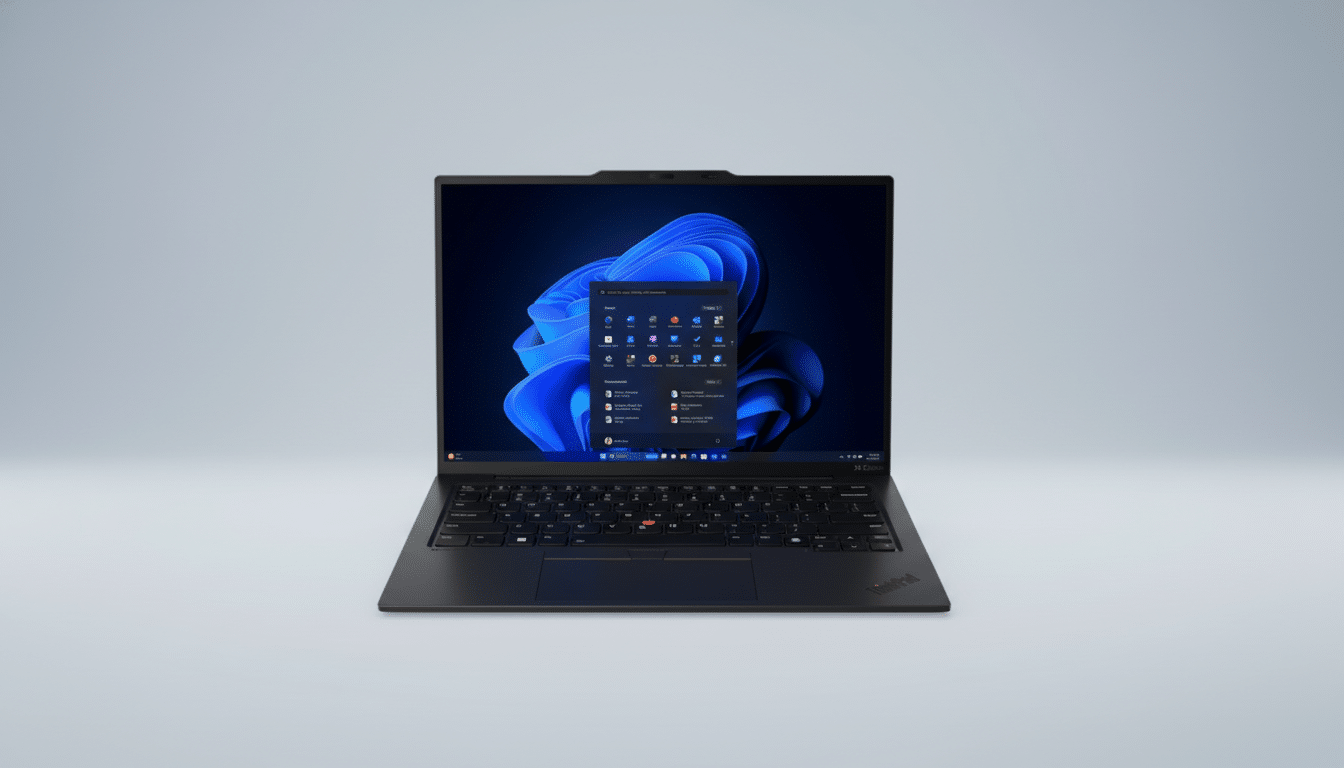
Cracking the chassis is straightforward with standard tools, exposing neatly labeled assemblies that are friendly to field technicians. According to iFixit, the approach earned the machine a 9 out of 10 repairability score, a standout in a category where adhesive, hidden clips, and soldered subassemblies often rule the day. It’s a tangible counterpoint to disposable design trends and an encouraging signal for right-to-repair proponents.
This isn’t happening in a vacuum. The European Commission has pushed manufacturers toward longer-lasting devices, while France’s repairability index has nudged brands to disclose how fixable products really are. Framework ignited consumer interest in modular laptops, and major enterprise vendors have been nudging in the same direction. Lenovo’s execution here, however, lands in the sweet spot between durability, thinness, and real-world service access.
Performance Moves Beyond a Simple Spec Bump
Under the hood, the ThinkPad X1 Carbon steps up to Intel’s Core Ultra X7 Series 3 “Panther Lake” processors with integrated Intel Arc graphics. Lenovo pairs them with up to 64GB of LPDDR5x memory running at 9600MT/s. That combination targets the kind of mixed workloads knowledge workers now juggle—large spreadsheets, dozens of browser tabs, creative apps, and sustained video conferencing—without throttling under pressure.
Intel’s 12Xe graphics and an increased 30W sustained power target suggest better stability under long renders or code compiles than many ultra-thin rivals. It’s the kind of tuning IT departments appreciate: predictable performance, consistent thermals, and fewer fan flare-ups during heavy multitasking. Lenovo’s longstanding focus on rigorous validation cycles should also translate into smoother driver updates over the device’s lifecycle.
OLED and the Classic ThinkPad Feel Remains Intact
The display gets a meaningful upgrade too, moving to a 2.8K OLED panel rated at 500 nits. Beyond the punchier contrast and richer color that OLED delivers, the higher resolution makes split-screen work more comfortable and reduces eye strain during long sessions. For users living in spreadsheets and docs, it’s an upgrade you feel immediately.
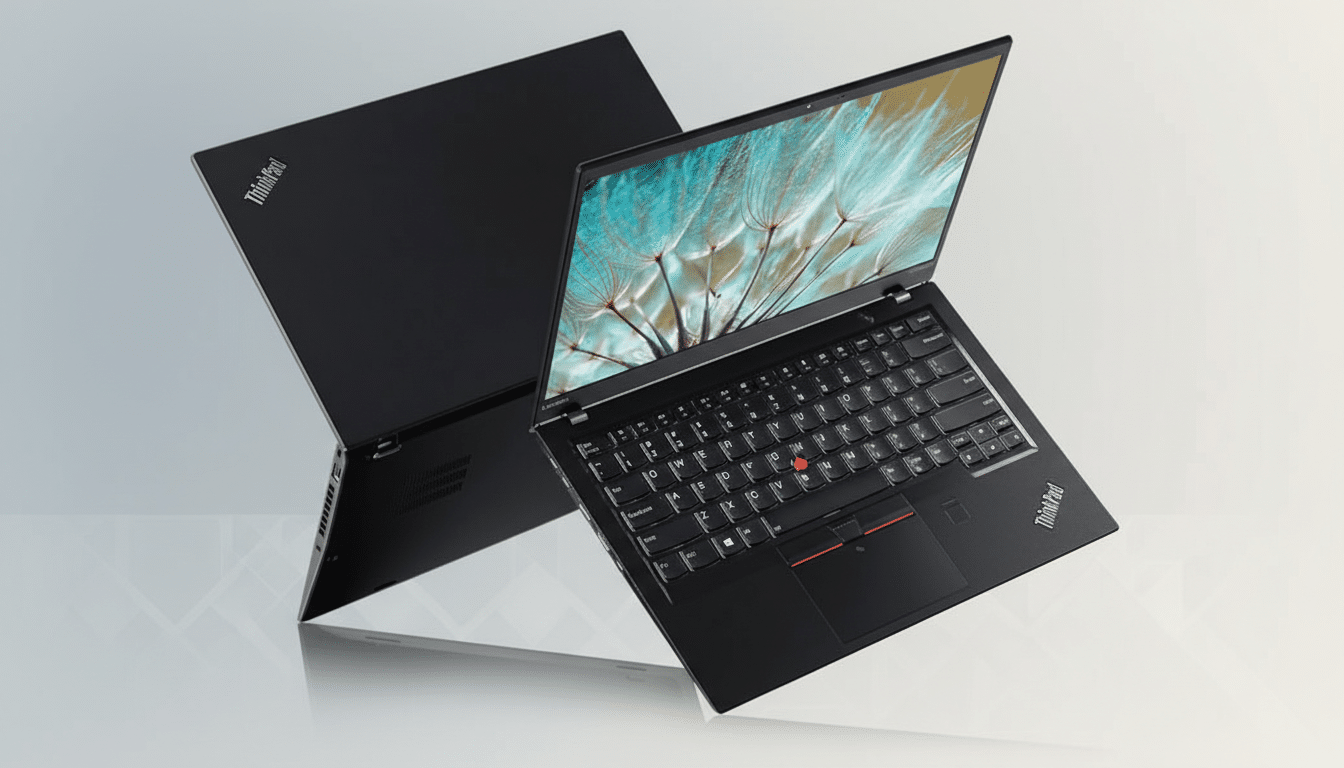
Crucially, Lenovo hasn’t tinkered with what ThinkPad loyalists consider sacred. The keyboard remains firm and precise, the haptic trackpad feels confident rather than buzzy, and the red TrackPoint still offers pixel-level control when you don’t want to lift your hands from the home row. From the outside, you’d never guess how different the inside now is—and that’s the point.
Why Repairability Resonates With IT Departments
For enterprise buyers, serviceability isn’t a niche preference; it’s a cost center. Easy access to fans or ports can turn an overnight depot repair into a same-day desk-side fix, cutting downtime and keeping fleets productive. ThinkPads have long shipped with robust service documentation and field-replaceable units, and the Space Frame doubles down on that tradition without adding bulk.
The environmental upside is just as significant. The UN-backed Global E-waste Monitor estimates the world generated roughly 62 million tons of e-waste in 2022, with only about 22% formally collected and recycled. Extending laptop lifespans through straightforward part replacements directly reduces that footprint, and it aligns with the sustainability reports more companies now issue to investors and regulators.
Early Take: A Conservative Look That Feels Bold
Lenovo’s new ThinkPad X1 Carbon feels conservative at first glance and bold where it matters. The Space Frame design is the headline, but it’s the integration—repairable components in a chassis that still feels every bit like a ThinkPad—that sets it apart. Add credible performance gains and a quality OLED option, and you have a flagship that advances on multiple fronts without compromising the brand’s core identity.
If the rest of the industry follows with similarly thoughtful engineering, the era of throwaway ultrabooks may finally start to fade. For now, Lenovo has planted a clear flag: premium laptops can be thin, fast, and built to be fixed.
