


Lego is bringing out Smart Bricks, a new screen-free means of making builds react to play. Shown as part of a larger Smart Play system, the tech merges traditional bricks with sensors, sound, and lights that interact with nearby pieces to keep kids’ heads up and hands on while providing modern interactivity.
How the Smart Play system works with tags and bricks
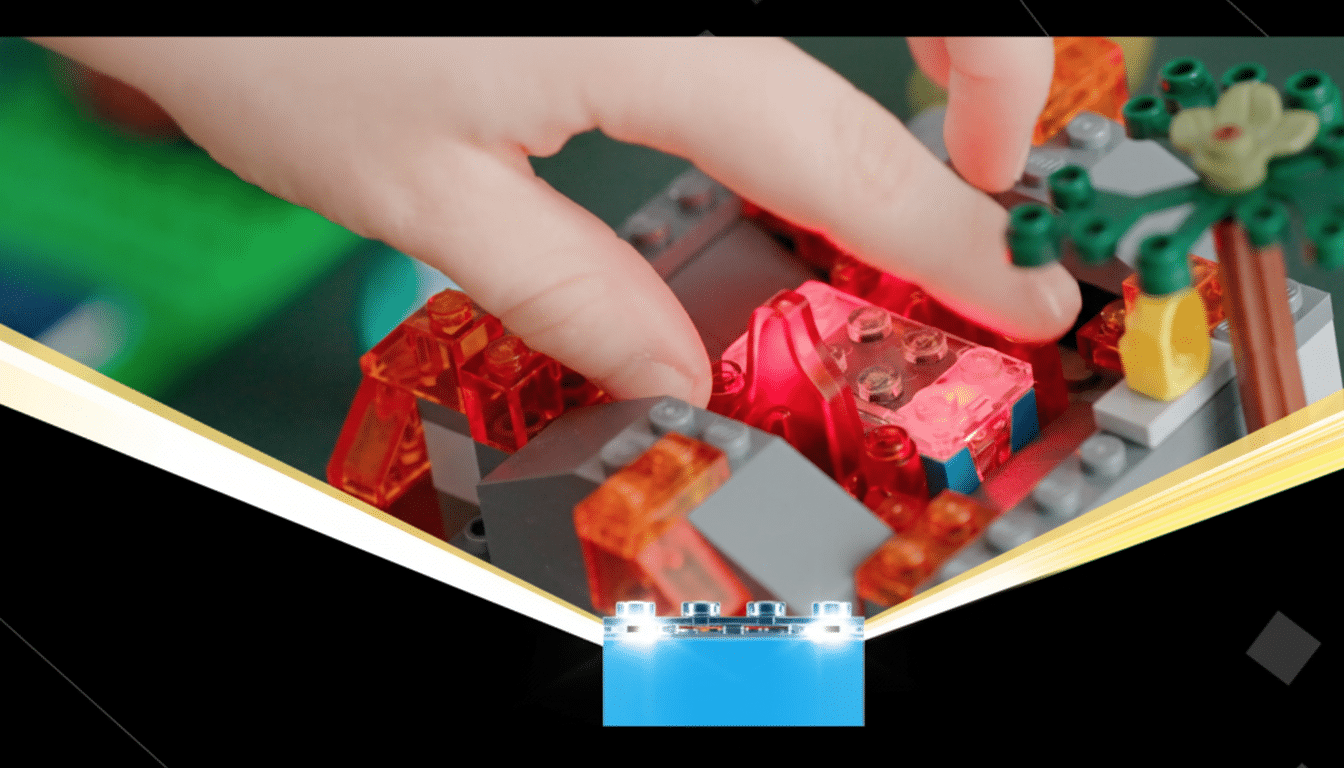
Central to the system are three components: a powered 2×4 Smart Brick, studless Smart Tag tiles, and Smart Minifigures. Every Tag has a distinctive digital identity, and as a Smart Brick or Smart Minifigure comes into proximity, it reads the Tag to activate certain actions—engine hums for a starfighter’s thrusts or propeller swishes for chopper movements, timed with their physical movement.
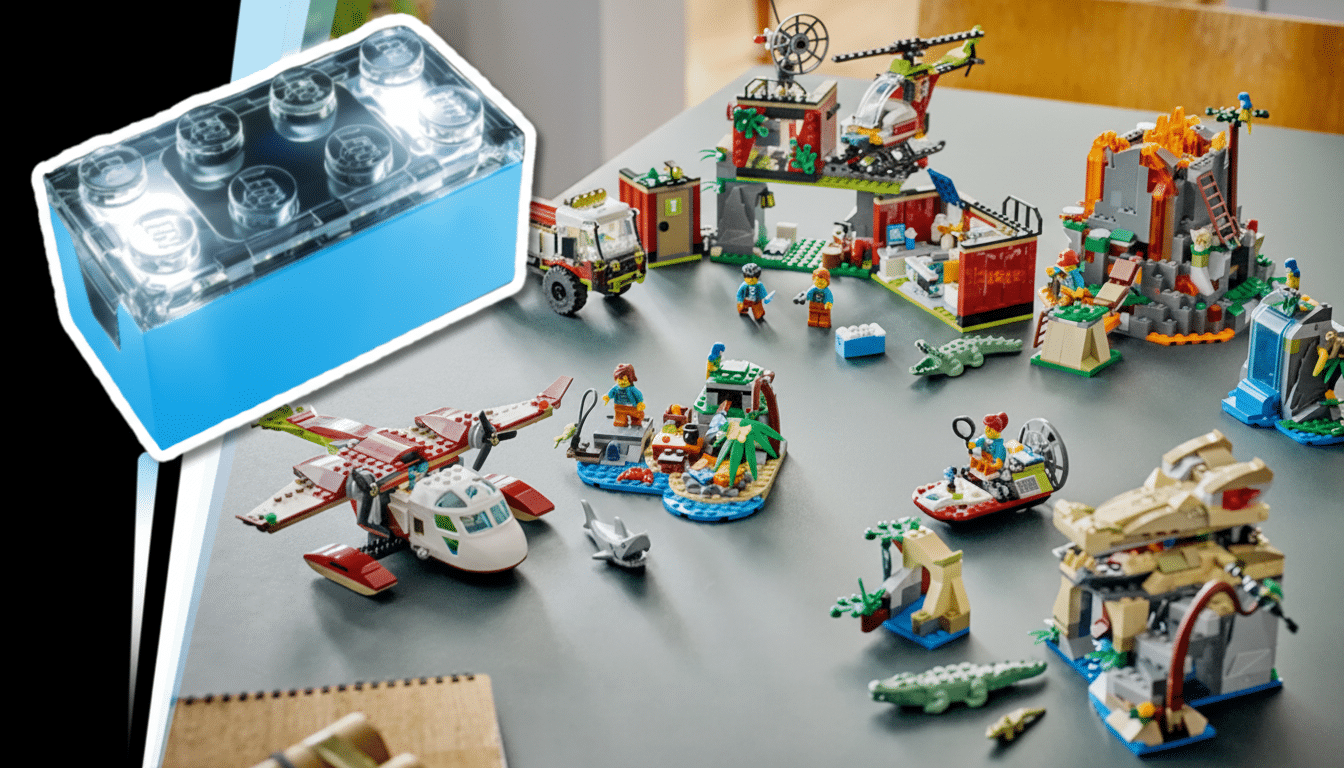
At the heart of the Smart Brick is a purpose-built ASIC, described as less than a stud in size, with near-field magnetic positioning. That allows the brick to figure out which Tags are nearby, while an embedded accelerometer, LED array, and tiny speaker provide haptic response, lights, and sounds without a phone or tablet. Now, a new Bluetooth-based system named BrickNet enables multiple Smart Bricks to communicate with one another and work alongside each other; in other words, more than just always-on bits of kit stuck on a build.
There is no pairing step or extra software to download. Put a Smart Brick in a model, get it close to an appropriate Tag, and they come alive. The form factor is compatible with standard Lego geometry, allowing builders to weave the powered elements into their current collections rather than starting from scratch.
Why screenless interactivity matters for Lego play
Parents often struggle with the balance of tech exposure and hands-on play. It’s not just parents who think about it: The American Academy of Pediatrics has warned for years against heavy screen time in early childhood, and researchers have connected construction play to gains in spatial reasoning and early math readiness in peer-reviewed studies. Smart Bricks would seem the way to connect both those worlds: active feedback and open-ended story without having your face glued to a screen.
It is also a strategic evolution for Lego. Previous programmable lines, like Mindstorms, and app-based kits like Powered Up relied on screens for coding or control. Smart Bricks upend that model by incorporating sensing and responsiveness into the brick itself, giving interactivity an experience more akin to physical cause and effect than remote control.
First sets and the features they bring to Star Wars
The rookie wave is all about Star Wars. A Luke’s Red Five X-wing kit includes engine lighting and real flight sounds that change as you bank, sweep, or roll the model for added authenticity, while Smart Minifigures can play out a response to skirmish tags to go from pitched battle to lightsaber clash. Expand the vignette with even more Tags and coordinated effects through BrickNet, with a larger set encompassing Throne Room Duel alongside an A-wing.
Lego is offering the X-wing for $69.99, and the giant diorama for $159.99, with preorders coming before full release. The company has teased an essentially playful spread of Tags beyond starships and sabers — to include, for example, a cheeky bathroom-themed tile — proposing a catalog that runs from scenes of cinema to good-time goofiness.
Security and privacy with smart toys and BrickNet
Hot buttons: Any internet-connected toy raises issues about data security. Lego says BrickNet is powered by improved encryption and privacy controls, and that the Smart Play system works without accounts or cloud setup. That local-first philosophy matters: high-profile incidents, from VTech’s breach in 2015 to CloudPets’ unencrypted voice recordings, put regulators and families on guard against internet-enabled playthings.
And for many parents, governments have increased compliance expectations under statutes such as COPPA in the United States and the UK’s Age Appropriate Design Code. By putting the smarts in the brick and limiting connectivity to local coordination, Smart Bricks promise interactive depth with a narrower attack surface than Wi-Fi toys that shunt data to servers.
What to watch as Smart Bricks grow into a platform
The real test will be breadth. A solid Smart Tag library — vehicles, animals, instruments, and characters across themes — should be its making or breaking point as a platform rather than a gimmick. Because it’s sensing based on proximity and motion, there are all sorts of runways for detail at the behavioral level — cargo loading cues in a harbor set, rescue sirens triggered by tilt in a fire truck, or ambient soundscapes that pan as models travel through a city block.
Elasticity and battery life in the rough-and-tumble of play are equally important. Should the Smart Bricks survive drops and sustain charge long enough to feel unnoticeable when used, they will disappear into the art flow. If they don’t, the magic palls. For now, the promise is seductive: a snap-in layer of responsive storytelling that honors building’s basic bliss, no screens required.
