


With Apple’s parlor games hours from showtime, the iPhone 17 family is the headliner act — and the talk swirling in the home stretch is uncommonly specific.) From more capacious batteries and a slimmed “Air” model to display and camera upgrades that could make a difference in everyday use, here’s what industry watchers say currently seems most credible, and why it could matter.
Bigger batteries, thinner ‘Air’ model
New entries in a Chinese regulatory database, spotted by longtime Apple watchers, suggest a milestone: The iPhone 17 Pro Max is allegedly the first iPhone to feature a 5,000-mAh-plus battery. That’d put Apple in the same arena of battery capacity as leading Android flagships, while still relying on power efficiency to eke out the real-world endurance.
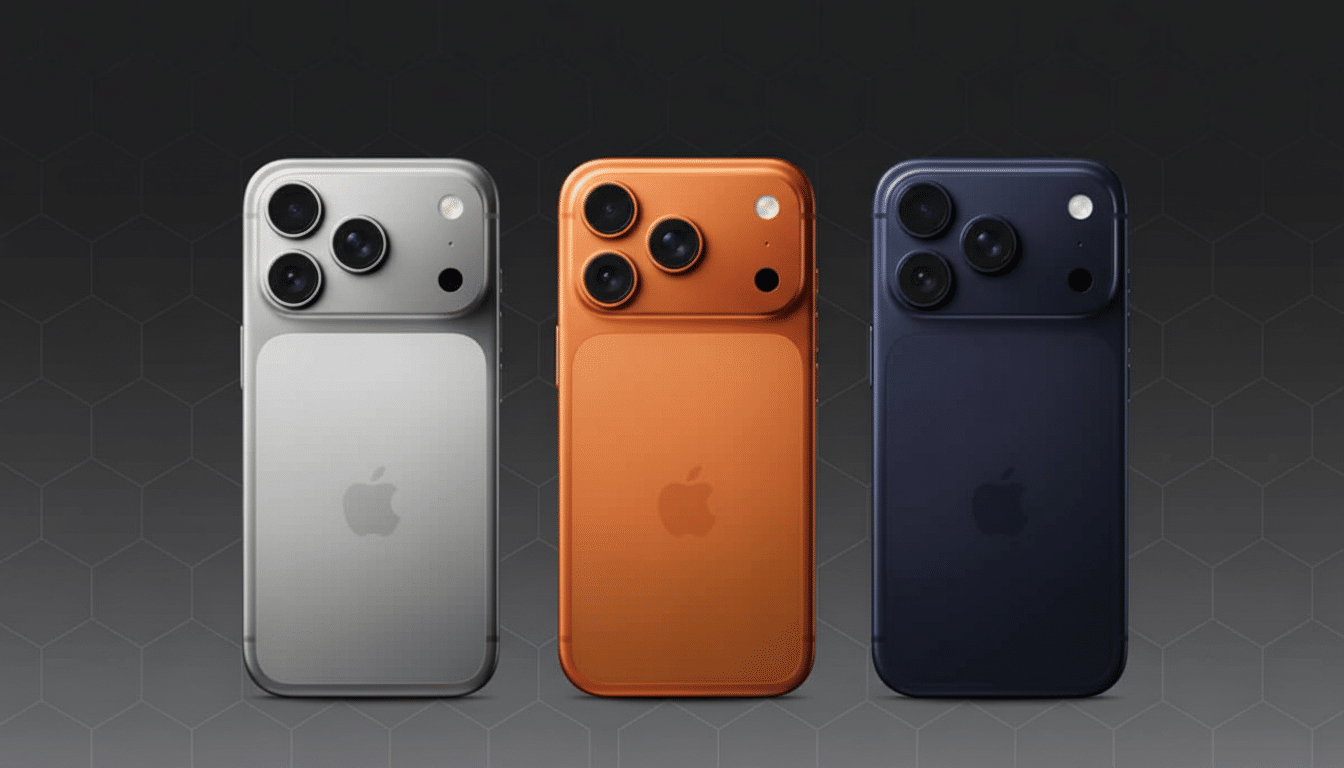
The same filing also highlights and iPhone 17 “Air” edition with a 3,149 mAh power source – smaller on paper, then, but set to be twinned with a lighter, thinner frame. Several supply chain notes, cited by The Elec and others, have mentioned Apple’s tinkering with stacked battery tech alongside more efficient power management, trade-offs that might make the “Air” an obvious choice for consumers who want all the ease of comfort, and not to worry about all-day video capture.
Naming remains a question. The past 12 months have seen rumors flip-flopping between “Slim” to “Air,” but the throughline’s sound: a high-end, wafer-thin choice that leans on design over spec-sheet aggression.
Displays and cameras lead the charge
Display rumors have coalesced around one consumer-friendly option: ProMotion for all models. LTPO 120Hz To Finally Get To Non‑Pro Models, And More Apple is working to make the variants of its flagship the next best iPhone. Analysts following Apple’s panel orders noted that it should finally take LTPO.. If that lands, it would close a long-standing gap and extend smoother scrolling and lower-refresh power savings to more buyers.
On the camera this has been Haitong International’s Jeff Pu whose latest report gave us a higher‑resolution selfie camera – that’s 24MP with a 6P lens – at the same time lingering work is done to reduce the Face ID footprint. Under‑display Face ID has been on the horizon for years, but the final manufacturing sources still expect it to be a cycle away; anticipate a smaller cutout, not a full vanishing act.
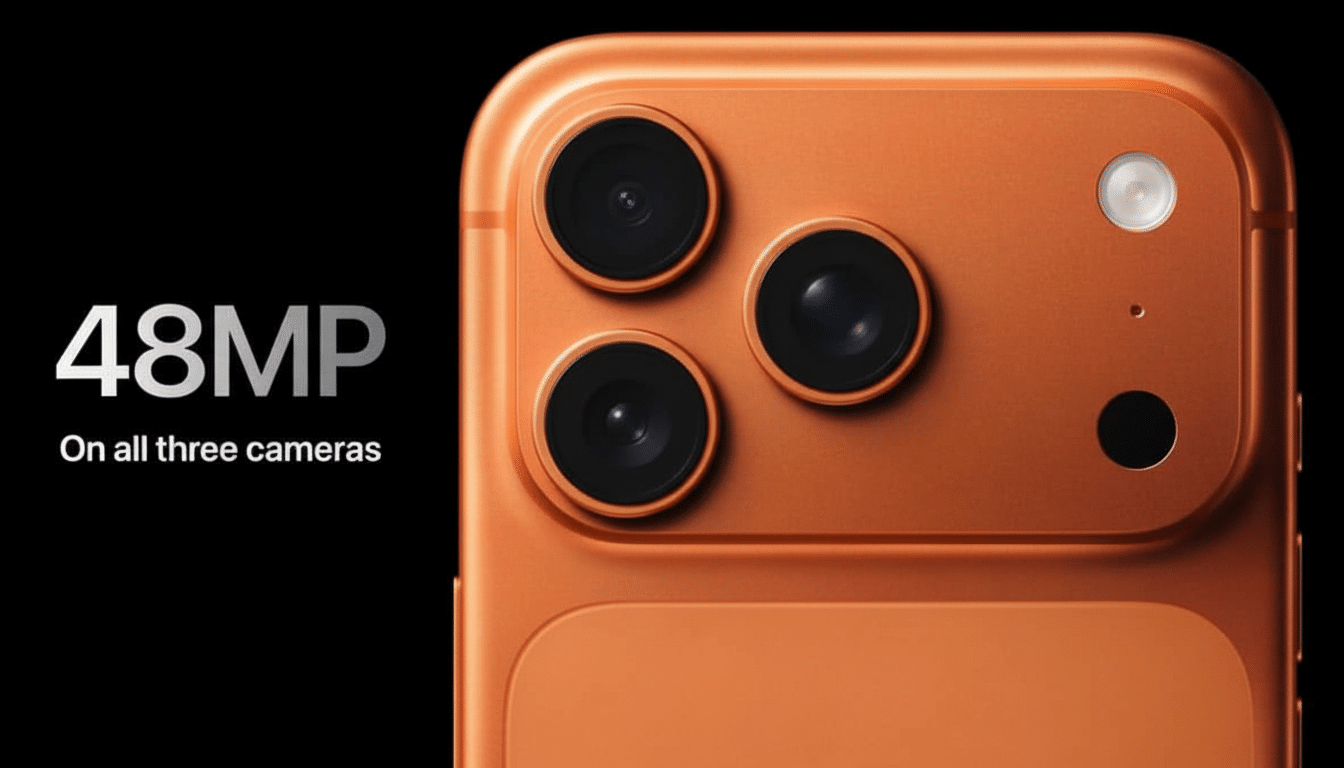
And telephoto parity is also at work. Now that Apple’s tetraprism setup has trickled down from Pro Max to Pro, the open question is whether the standard models get any zoom love beyond the software level. Apple has been expanding supplier capacity for compact periscope modules, leading to speculation that greater adoption could be on the cards even if sensor sizes remain Pro-tier exclusives, TrendForce explains.
Chips and AI: on-device grows more ambitious
Under the hood, the A‑series roadmap is designed to accommodate more of Apple Intelligence on device. Bloomberg’s Power On has previously described Apple’s near-term silicon priorities in terms of neural performance and memory bandwidth, rather than simple CPU gains. Look out for a significantly more powerful NPU, and memory adjustments intended to keep generative features smooth and responsive without relying heavily on the cloud.
There’s also the semiconductor question. Apple’s is first in line for TSMC’s next‑gen nodes, Nikkei Asia has said and even if the 2nm supply is completely snapped up: iPhone 17 silicon will have efficiency improvements versus what we have today. The practical upshot: Better battery life per workload and faster local AI tasks, from more intelligent photo edits to more conversational Siri moments.
This matters for upgrades. According to CIRP research, iPhone owners now keep devices for more than three years, on average; noticeably better battery life and daily AI usefulness are the kinds of leaps that prompt late‑cycle users to upgrade.
Connectivity and charging tweaks
Pro models are expected by analysts following Apple’s radio supply chain to feature Wi‑Fi 7 support, which would sync iPhone with the latest in routers and speed multi‑device throughput in homes with lots of connected hardware. Ultra Wideband is also said to be receiving a sensitivity boost for more accurate precision finding and location handshakes in the background.
When it comes time to charge them, expect further Qi2 integration throughout the accessory ecosystem. Already, Apple’s magnet-aligned standard has spurred third‑party adoption, and widening full‑speed wireless charging compatibility to additional Qi2 pads would broaden that field and make the need for first-party MagSafe bricks feel less harsh.
Accessories built around magnets
A late-breaking leak that’s creating a buzz is a magnetic Crossbody Strap that clicks into a second new case, TechWoven—in the purported place of FineWoven. Along the length of the strap is claimed to be a magnetic quality, enabling quick on‑off attachment without chubby clasps, and freeing up pockets when on the move.
It’s a tiny but high-impact add-on: if the strap rumor is legit, Apple will likely talk up a new ecosystem of magnet-first cases, grips, and battery packs, a formula and chatter point that tends to lift attach rates and lock down buyers beyond the phone.
What to see when the curtain rises
The most reliable last‑minute “also heard”s focus on a Pro Max battery finally going over 5,000 mAh, a thinner “Air” model, ProMotion for everyone, a smarter selfie camera and greater neural headroom for on‑device AI. Throw in the incremental connectivity advances and a magnet‑centric accessory story, and the picture isn’t so much flashy as it is transformational — and precisely targeted at what users will truly feel improve day to day.
As ever, treat the leaks as educated guesswork and not fact. But if half of those rumors fall into place, the iPhone 17 story graduates from annual spec bump to a user‑experience upgrade that might reduce the upgrade tingle—and keep Apple’s flagship in the conversation as rivals close in on the high end.
