


Put a single-purpose screen in people’s hands at bedtime and their reading soars. That’s the clear takeaway from a wave of user reports, spirited community threads, and circulation data pointing to a simple truth: switching from a distraction-heavy smartphone to a Kindle often turns reading into the default way to wind down.
Across popular reading forums, thousands of comments echo the same pattern. Replace doomscrolling with an e-reader, move the phone charger out of the bedroom, and page counts climb. This isn’t just anecdote. OverDrive, the digital platform used by public libraries, reported a new record for ebook and audiobook checkouts in 2023, continuing a multi-year climb in digital reading. Meanwhile, Pew Research Center finds that roughly one-third of U.S. adults now read an ebook in the past year, a share that has inched upward alongside e-reader and app adoption.
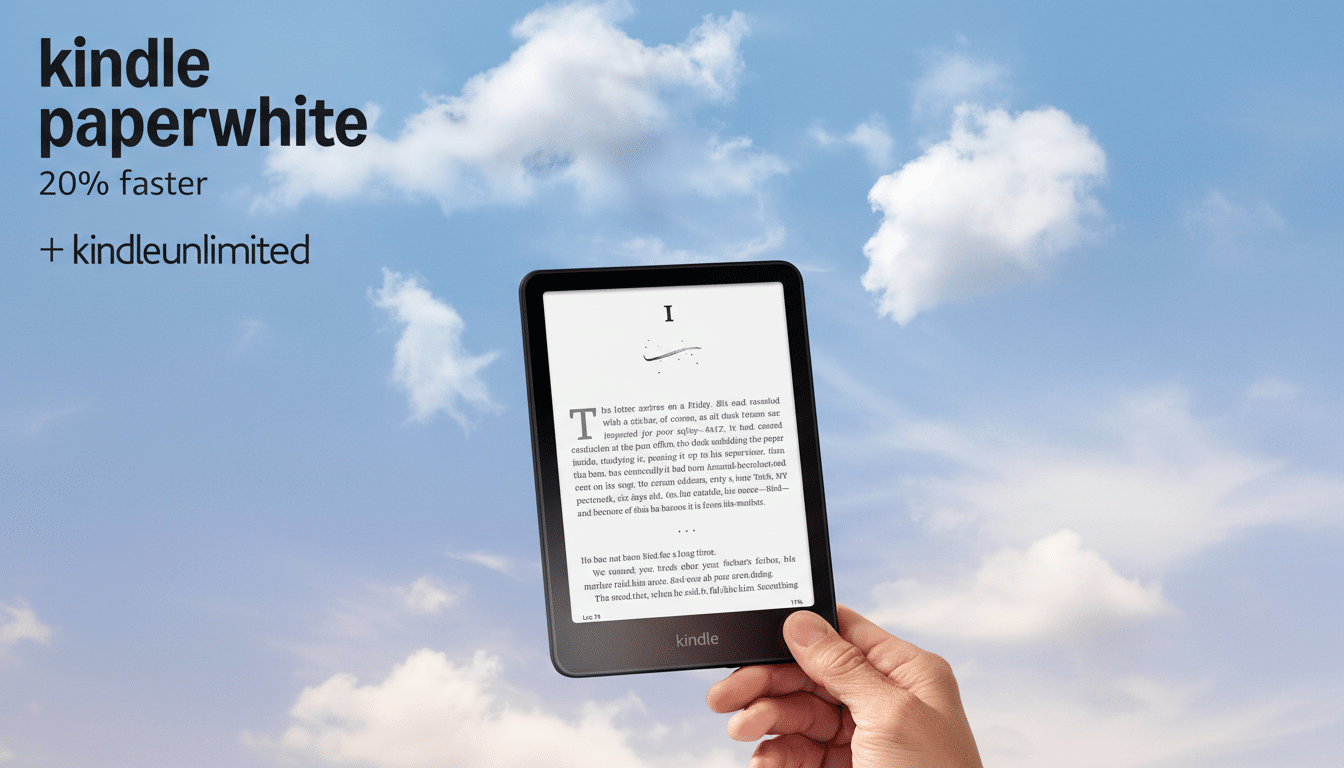
Why a Kindle Changes the Default for Bedtime Reading
Behavioral economists call it the “default effect”: when the easier option is available first, we choose it more often. A Kindle makes reading the easy option. With no social apps vying for attention, the single-purpose device reduces decision fatigue. E Ink’s paper-like display, long battery life, and warm front lighting remove friction that often derails reading on phones or tablets.
Design matters to habits. Stanford researcher BJ Fogg has long argued that reducing friction is the fastest path to behavior change. E-readers do exactly that. Tap the power button, fall straight into your current chapter, and you’re reading in seconds—without a volley of notifications or algorithmic feeds pulling you off-task.
Screen Time Swapped for Page Time at Night
Many readers adopt one pragmatic rule: Kindle in bed, phone elsewhere. It’s a small shift with outsized impact. Research from Harvard-affiliated sleep scientists has shown that blue-light exposure and interactive screens before bed can delay melatonin release and disrupt sleep quality. E Ink displays emit less glare and feel more like paper, which helps late-night reading feel restorative, not revving.
The time trade is meaningful. data.ai’s State of Mobile reports that in many markets people now spend around five hours a day in mobile apps. Redirecting even 10% of that to reading yields 30 minutes daily—enough for two to three standard-length novels a month at typical reading speeds. That turns “someday I’ll read more” into a measurable, sustainable outcome.
Convenience That Keeps You in the Book Longer
Kindle’s core features quietly compound into more pages read. Instant downloads mean finishing a book at 11 p.m. no longer ends the streak; the next title is a tap away. Whispersync keeps progress aligned across a Kindle and the Kindle app, and for supported titles, Audible integration lets a commute or chore-time audiobook hand off seamlessly to nighttime reading.
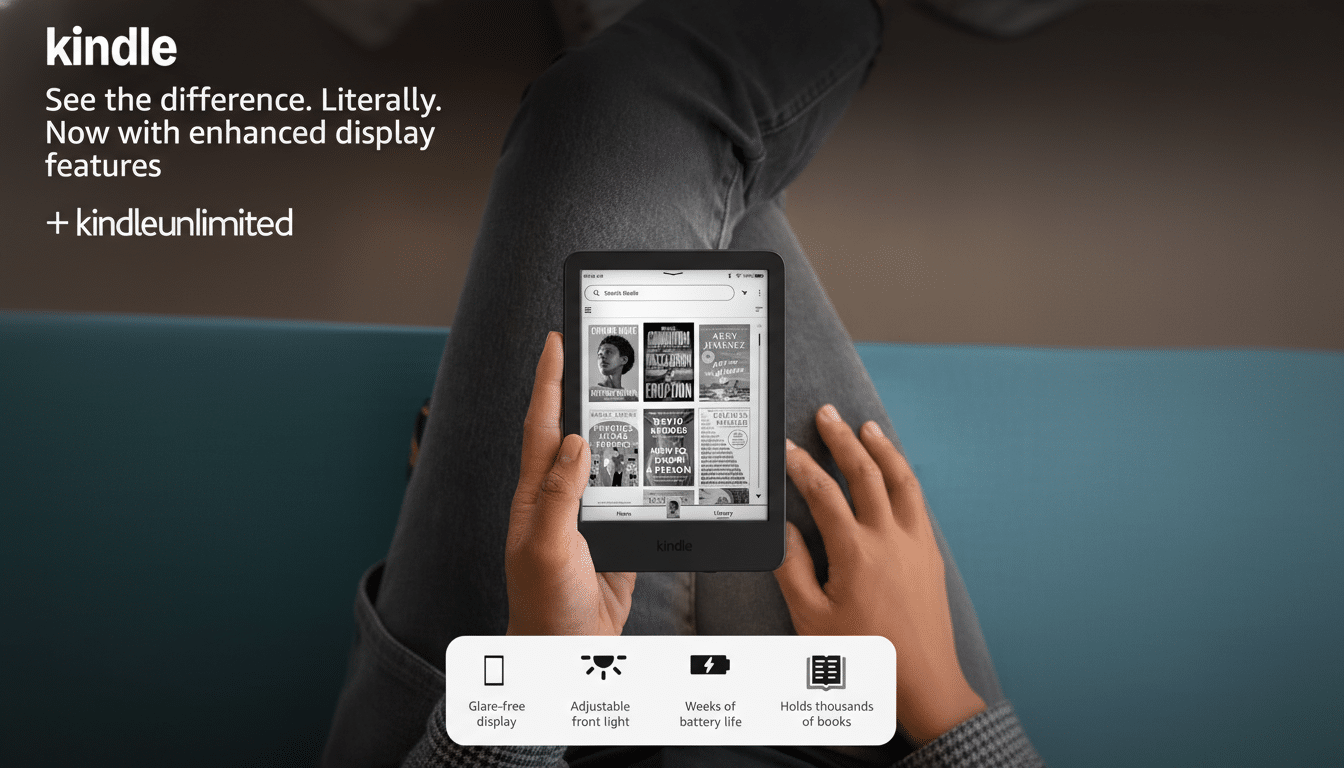
The hardware makes opportunistic reading easy. A compact, lightweight device fits in a jacket pocket or bag. E Ink is glare-free at the beach and gentle on eyes indoors. Adjustable fonts and margins extend comfortable sessions, while vocabulary tools and X-Ray features add context without breaking flow. Little frictions—like finding a bookmark or a bright lamp—quietly disappear.
Libraries and Costs That Help Sustain the Habit
Cost can stall momentum, but digital borrowing has scaled impressively. Through Libby, powered by OverDrive, many public libraries let readers send ebooks directly to a Kindle in seconds, making free, legal borrowing nearly as convenient as buying. Combined with daily deals, subscription options like Kindle Unlimited, and family sharing features, the economics of reading digitally often encourage volume.
The result shows up in circulation data. OverDrive’s record-setting digital checkouts highlight both growing access and demand. For many households, that means a deeper backlist, more midlist discovery, and faster movement from recommendation to actual reading.
What Readers Say Works to Build a Reading Habit
Common winning tactics keep surfacing among heavy readers:
- Keep a Kindle parked on the nightstand.
- Set the phone to charge in another room.
- Preload a few “next up” titles to avoid decision stalls after finishing a chapter.
- Treating the Kindle like a book—face-up on the coffee table, tossed into a tote—turns spare minutes in lines, lobbies, and carpool lanes into progress.
Crucially, readers report that chasing volume isn’t the point. The point is reclaiming attention. By making books the easiest choice—not the most virtuous—Kindle owners are rediscovering the steady pleasure of being in the middle of a story.
The Bigger Picture for Reading in a Digital Era
Print’s appeal isn’t going anywhere, but the data suggests digital is expanding the pie. With roughly 33% of adults reading ebooks each year and library borrows hitting new highs, e-readers aren’t replacing paper so much as rescuing time that phones swallowed. And that, more than any speed-reading hack, explains why so many people are suddenly turning more pages.
