


That too-good-to-be-true IRS refund text is back in heavy rotation, and it’s still snaring victims. Security teams say criminals are blasting out convincing “smishing” messages that spoof tax agencies, dangle a refund, and harvest bank and Social Security numbers within minutes. The Federal Trade Commission warns that text-based scams are among the costliest forms of fraud, with reported losses topping $1 billion, and tax-season lures remain a perennial favorite.
How the Refund Text Trap Works and Fools Taxpayers
The message typically claims your refund is approved, urges fast identity verification, and provides a shortened link. Tap it and you’ll land on a site made to look like IRS pages or state revenue portals. From there, victims are steered to enter bank credentials, card numbers, or a full SSN—everything criminals need to file a real return in your name or drain accounts.
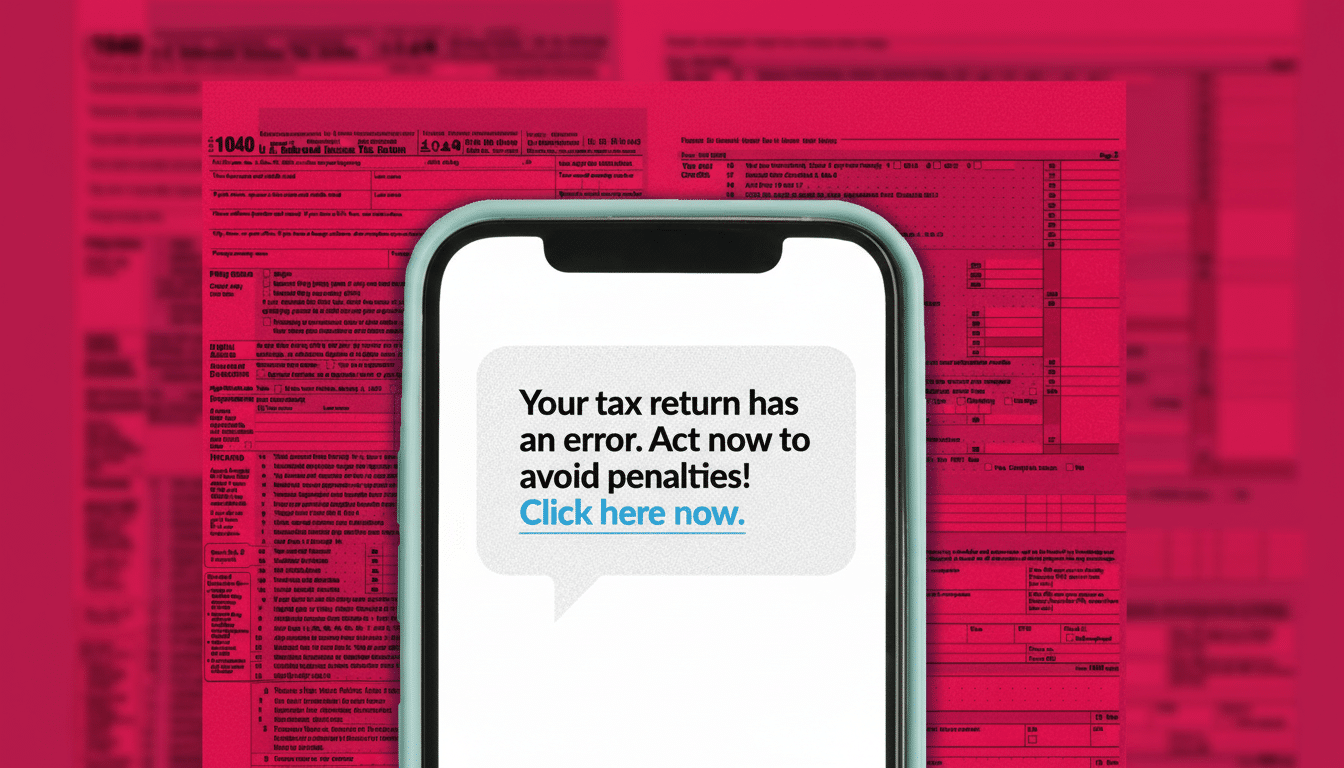
Attackers lean on timing and urgency. They send waves of texts as W-2s and 1099s circulate, reference “case numbers,” and spoof sender IDs to mimic official channels. The IRS and state agencies emphasize they do not initiate taxpayer contact by text, email, or social media to ask for sensitive information or payment.
Three Expert Moves That Stop the Scam Cold
- Verify out-of-band and never tap the link. Security pros default to “zero trust” on unsolicited tax messages—no clicks, no replies. To check refund status, type IRS.gov directly in your browser and use official tools, or contact your state revenue department via phone numbers listed on their websites or prior notices. Forward suspicious texts to 7726 (SPAM) and report tax-themed phishing to the IRS at phishing@irs.gov and to the FTC’s reporting portal. Why it works: Cutting off the attacker’s path breaks the social engineering chain. Criminals rely on impulse. By pausing and using only known, first-party channels, you deny them the chance to capture credentials or personal data.
- Preempt identity abuse with layered protections. Seasoned defenders set a security baseline before scams arrive. Freeze your credit files at Equifax, Experian, and TransUnion to block new-account fraud. Enroll in the IRS Identity Protection PIN program so no one can file a return in your name without a unique six-digit PIN. Enable multifactor authentication on your IRS Online Account and financial apps, and turn on transaction alerts so you will notice misuse fast. Why it works: Even if a scammer collects some data, credit freezes, IP PINs, and MFA add choke points that make it far harder to monetize stolen details or submit a fake tax return.
- Learn the telltales of a fake tax text. Experts look for mismatched sender names, misspellings, generic greetings, shortened or odd-looking URLs, refund amounts that don’t match your filing, and threats of immediate penalties. The IRS never demands payment via gift cards, cryptocurrency, or wire, and it doesn’t text links to claim refunds or “verify” accounts. Any claim that a refund will be forfeited in 24–48 hours is a hallmark of social engineering. Pro tip: Disable link previews in your messaging app, silence unknown senders, and turn on built-in SMS filtering. These small changes reduce accidental taps and keep most smishing attempts out of sight.
If You Already Clicked or Replied to the Text
Close the page, run a mobile security scan, and immediately change any passwords you may have exposed. If you entered bank or card details, contact your financial institution, enable account alerts, and consider new account numbers.
Place a credit freeze and monitor your tax transcripts for unexpected activity. If you suspect a fraudulent return, contact the IRS for identity verification and apply for an IP PIN. File an official complaint with the FTC and notify your state tax agency to add safeguards to your account.
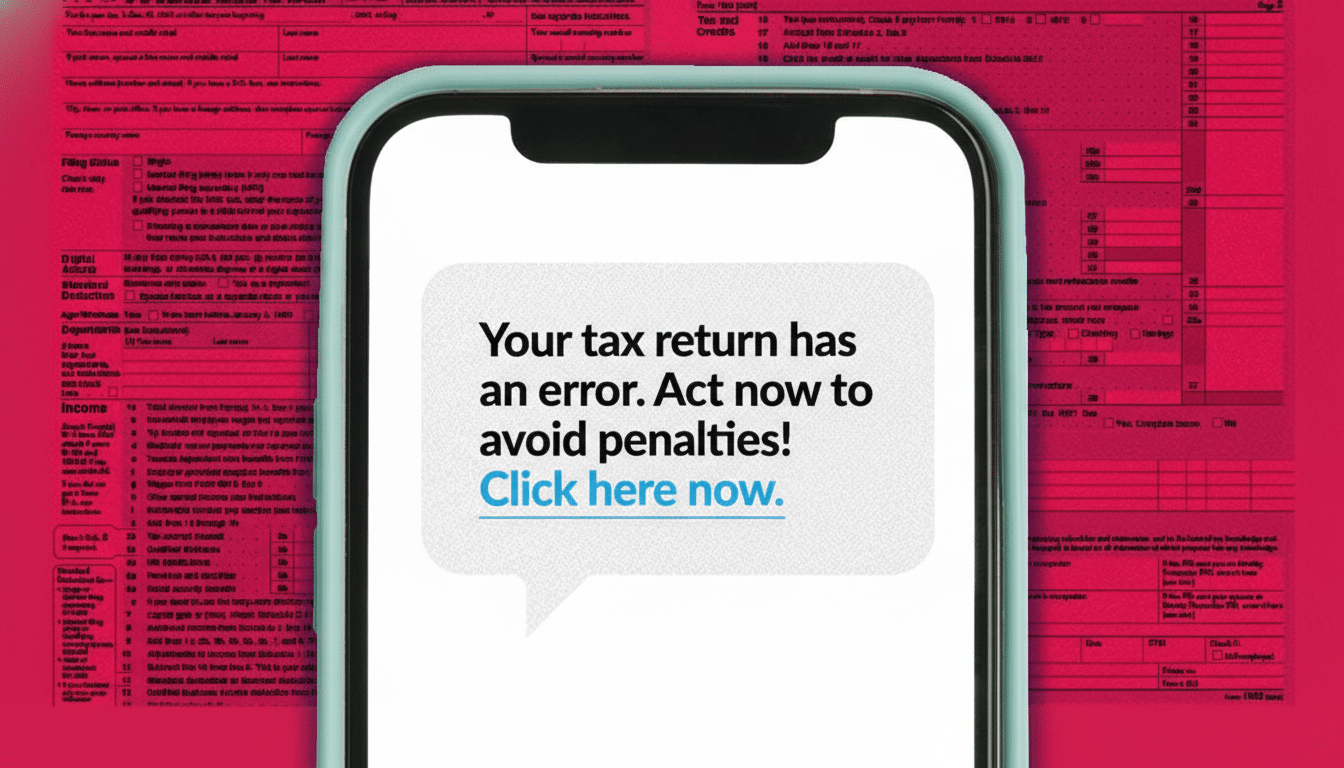
If the text demanded payment, treat it as a red flag. The IRS resolves issues through mailed notices and established procedures—not through texts, threats, or instant payment links.
Why This Scam Keeps Winning Against Taxpayers
Smishing works because it’s fast, personal, and cheap for criminals. The FTC notes that text scams generate some of the highest reported fraud losses, and the FBI’s Internet Crime Complaint Center consistently lists phishing and smishing as top complaint categories. Tax season adds a psychological nudge: people are primed to expect refund news and to act quickly.
Criminals also reuse stolen data and scripts across many campaigns, swapping logos and language to target federal and state taxpayers alike. That repeatable playbook means the same defenses—don’t click, verify through official channels, and lock down identity controls—remain highly effective.
Bottom line: simple steps that block IRS text scams
The most dangerous IRS text is the one you engage with. Treat every unsolicited tax message as suspect, confirm your status only through IRS.gov or known state sites, and harden your identity with an IP PIN and credit freezes. Those three expert habits stop the refund scam before it starts—and keep your money and personal data out of criminal hands.
