


Apple’s first foldable is still under wraps, but a credible leak suggests the iPhone Fold could leapfrog Samsung where it hurts: battery stamina. A well-known tipster on Weibo claims Apple is testing a roughly 5,500mAh pack for its debut foldable, a big jump over the 4,400mAh cell Samsung has relied on since the Galaxy Z Fold 3. If that figure holds, the iPhone Fold could embarrass the Galaxy Z Fold 7 in real-world endurance before the first side-by-side tests even begin.
Bigger Cell Rumor And The Numbers That Matter
The claim comes from Fixed Focus Digital, a leaker with a track record for early hardware details out of East Asia. The 5,500mAh target would represent a 25% increase over Samsung’s 4,400mAh capacity—a material margin in a category where power budgets are stretched by two large displays and a hinge-packed chassis. A separate Korean blogger previously floated a 5,400–5,800mAh window for Apple’s testing, aligning with this new rumor.
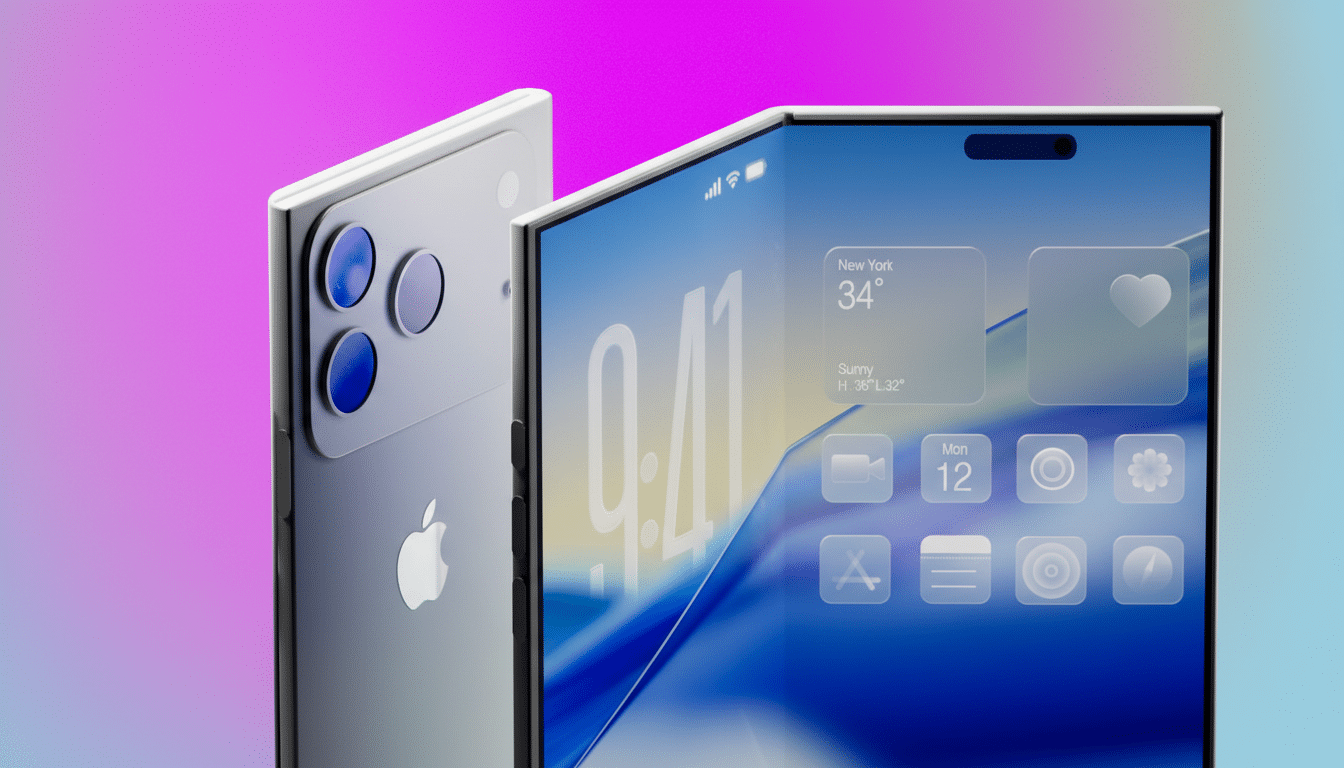
On paper, that puts Apple near the front of the pack. Many Chinese book-style foldables now sit in the 5,000–5,500mAh range, with some outliers going bigger. The vivo X Fold 5 is said to hit 6,000mAh, while the global HONOR Magic V5 reportedly lands at 5,820mAh. Google’s Pixel 10 Pro Fold is tipped around 5,015mAh. Against this field, a 5,500mAh iPhone Fold wouldn’t break records, but it would squarely address the most persistent complaint about book-style foldables: battery anxiety.
Why Battery Capacity Is Only Half of the Story
Raw milliamp-hours don’t guarantee great battery life. Apple’s edge has long been efficiency. Even with smaller cells, recent iPhones regularly place at or near the top of battery endurance rankings from outlets like Tom’s Guide and PhoneArena, thanks to tight hardware-software integration, efficient A‑series silicon, and aggressive power management that scales everything from modem draw to display refresh in real time.
Translating those advantages to a foldable could be potent. Expect Apple to lean on LTPO panels with wide 1–120Hz ProMotion ranges, dynamic resolution scaling between the cover and main display, and a scheduler tuned for the unique demands of multi-window multitasking. Combined with a 5,500mAh pack, that playbook could let the iPhone Fold outlast rivals that technically carry more watt-hours.
Design Choices That Enable A Larger Battery
Rumors point to a “squat” aspect ratio for Apple’s foldable, closer to a compact tablet than the tall, narrow approach Samsung favors. That geometry can free up internal volume for a larger dual-cell battery while easing thermal management—both critical for sustained performance and longevity. Apple’s history of densely stacked logic boards and L‑shaped cells in standard iPhones suggests it will squeeze every cubic millimeter inside the hinge and spine.
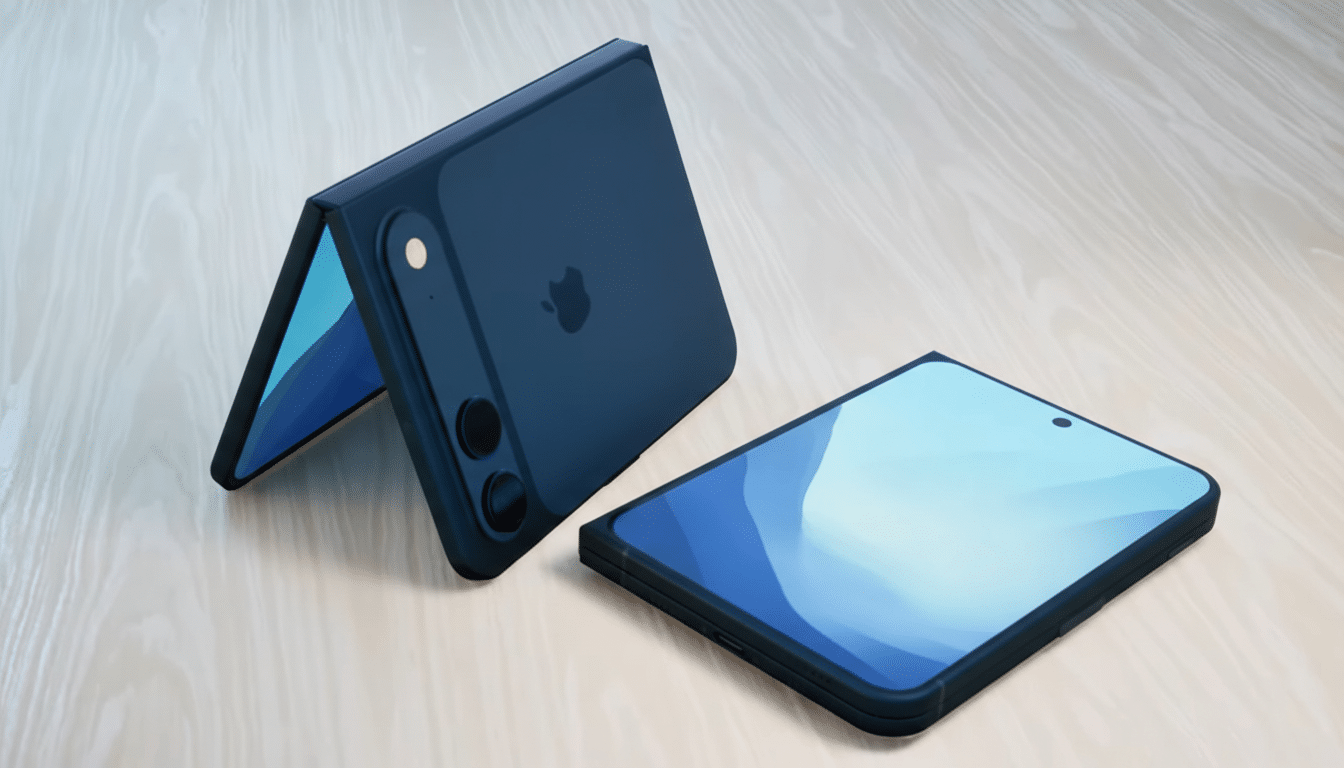
Elsewhere in the category, manufacturers have increased capacity by adopting high-silicon chemistry, thinner separators, and laser-stacked cells. Chinese brands have been especially aggressive here, balancing energy density against heat and cycle life. Apple doesn’t chase spec sheets for their own sake, but it consistently deploys mature versions of these technologies once they meet durability and safety targets—an approach that could explain why the company waited before going big on a foldable battery.
What A Bigger iPhone Fold Battery Could Mean For Samsung
Samsung has kept the 4,400mAh capacity steady through multiple Fold generations, prioritizing thinness and weight. The result is a premium device that often needs midday top-ups for heavy users. If Apple ships a significantly larger pack without ballooning thickness, it will pressure Samsung to rethink its internal layout, explore newer cell chemistries, or both. The competitive stakes are real: research firms like Counterpoint note that battery life remains a top purchase driver in the premium segment, and foldables amplify that concern.
To be clear, Samsung still leads in durability and water resistance standards for foldables, and it often wins on charging speeds compared with Apple. But on endurance, the rumored numbers alone would hand Apple the headline, and Apple’s efficiency could turn that headline into a lived experience.
What To Watch Next As Apple’s First Foldable Nears
As with any pre-launch leak, details can shift. Actual battery life will depend on display sizes, software tuning, modem efficiency, and how aggressively Apple drives brightness and refresh rates. Charging speeds—and whether Apple finally embraces faster wired standards—will also shape day-to-day usability, even with a bigger cell.
Still, if the 5,500mAh figure is close to final, Apple’s first foldable may land with the one upgrade that matters most for a new form factor: confidence that it will last. And that could be the one area where the iPhone Fold makes the Galaxy Z Fold 7 look behind the curve from day one.
