


A fresh leak suggests Apple’s next Pro iPhones will keep the Dynamic Island centered at the top of the display, even as the visible cutout gets smaller and remains distinctly pill-shaped. The claimed change aligns with ongoing reports that Apple is moving parts of the Face ID system under the screen, trimming the footprint without fully eliminating the cutout.
Smaller Pill Still Centered on iPhone 18 Pro Display
According to a report circulated by AppleTrack, the iPhone 18 Pro and Pro Max are expected to hide the Face ID illuminator and sensor beneath the display pixels. That would reduce how much hardware needs a visible opening. Crucially, the front-facing camera still requires an unobstructed view, which is why the “island” doesn’t vanish—hence a smaller, but familiar, pill cutout that stays centered.
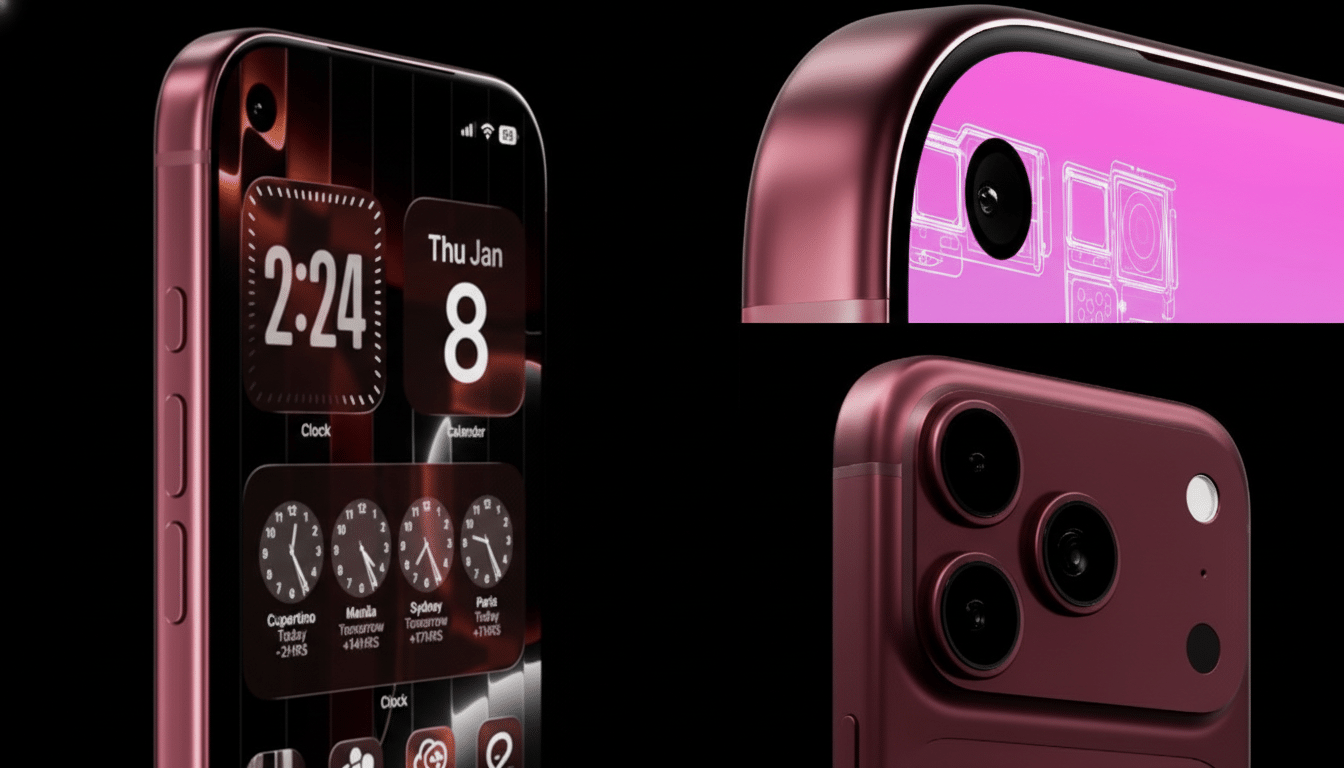
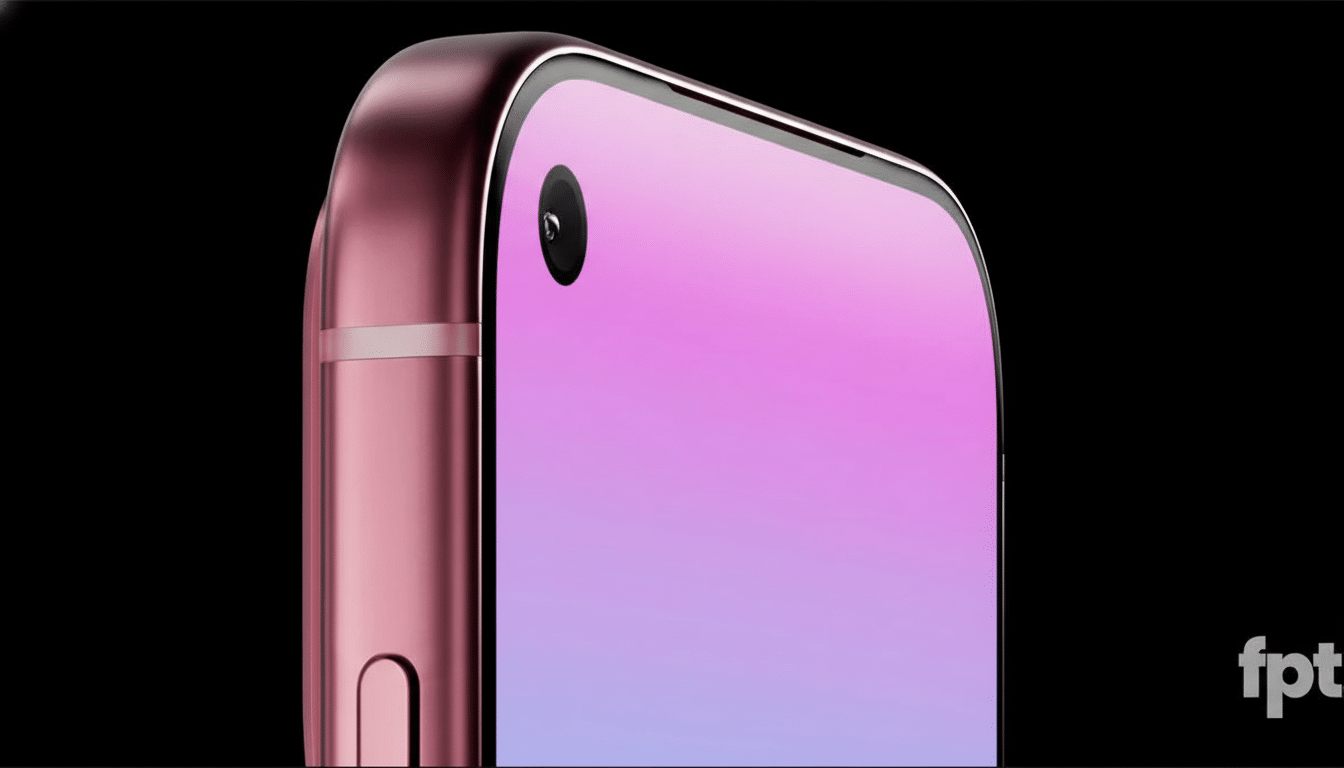
The latest claim pushes back on earlier chatter that the cutout would migrate toward the upper-left corner. AppleTrack attributes that earlier detail to a mistranslation. A concept image from creator Private Talky illustrates what the revised cluster could look like: more compact than today’s implementation, yet obviously a pill rather than a punch-hole dot.
Why Apple May Keep the Pill-Shaped Cutout Centered
Under-display camera technology is improving, but image quality through a pixel layer can still lag behind a dedicated opening, especially in low light. Apple’s Face ID stack is also unusually complex—combining a flood illuminator, dot projector, and infrared camera—which raises the bar for a fully hidden solution that doesn’t compromise reliability.
Display Supply Chain Consultants has previously projected a phased approach for Apple: first move Face ID components under the panel on Pro models, then follow later with an under-display selfie camera once quality hurdles are cleared. That roadmap dovetails with this leak—shrinking the island now, eliminating it only when the camera can match current standards.
There’s also a strong UX and brand argument for keeping the shape centered. Dynamic Island isn’t just hardware; it is a live UI element that anchors alerts, timers, call status, and media controls. A centered location provides symmetry that plays well with status icons on both sides and keeps animations consistent across apps and orientations.
What a Smaller Dynamic Island Realistically Changes
Even a modest reduction can reclaim useful pixels. On a Pro-class display, trimming a few millimeters in width and height can free up enough space to fit an extra status icon or give Live Activities more breathing room. In full-screen video, a tighter pill means slightly less content obstruction along the top edge, reducing the need for aggressive letterboxing decisions.
Developers who already target Dynamic Island APIs won’t need to rethink layouts if the shape and position stay consistent. However, a smaller hitbox could nudge app makers to fine-tune touch targets and animation masks for the new dimensions. Apple typically provides updated Human Interface Guidelines and simulators early enough for a smooth transition.
From a manufacturing standpoint, a smaller island suggests progress in panel transparency and pixel “windowing” techniques that allow infrared sensors to see through the display without obvious visual artifacts. Industry observers will be watching panel suppliers like Samsung Display and LG Display for clues that next-gen under-panel modules are entering mass production.
What to Watch Next as iPhone 18 Pro Design Firms Up
Expect more evidence to surface through CAD files, tempered glass accessories, or supply-chain certifications as production nears. If multiple independent sources converge on a centered, smaller pill, it will strongly indicate Apple is in the first stage of its under-display Face ID rollout.
As always with pre-launch leaks, details can shift before final units ship. Still, the rumored direction is logical: keep the Dynamic Island’s signature behavior, reduce the visual footprint, and lay the groundwork for a future iPhone where the camera is the last—and only—reason for any visible cutout.
