


If you haven’t already installed iOS 26, you’re in good company. For all of Apple’s early adoption drama and prompts, the new software is spreading slower than usual, with a surprising number of users tapping Remind Me Later and holding on to the last builds.
The lack of enthusiasm isn’t explained by a single factor. Early grumbles about performance, a controversial design change and what is thought to be a lack of must-have features are all factors. And depending on which of those datasets you trust, the story is very different.
- Adoption numbers tell a mixed story across trackers
- Why the adoption trackers disagree on iOS 26 uptake
- Design pushback is real for iOS 26’s Liquid Glass look
- Performance and battery complaints from early upgraders
- No single killer feature creating urgency to update
- Security fixes are a strong reason to update sooner
- What to watch next as adoption trends evolve over time
Adoption numbers tell a mixed story across trackers
According to StatCounter, which tracks web traffic by searching for information in the iOS version reported by Safari, only 16% of iPhones had been upgraded to iOS 26 months after its introduction; over 60% were still running some form of iOS 18. In the US, StatCounter’s sample points toward an even slower move, with iOS 26 only just hanging around 10% over that same period.
TelemetryDeck (which sources partially anonymized signals from participating apps) tells a different story: around 60% on iOS 26, and around 37% when the release was iOS 18 at around the same time. That’s closer to what we have seen in cycles past, where trackers such as Mixpanel and coverage from 9to5Mac showed the newest iOS version crossing the halfway mark over a matter of weeks or months.
Who’s right? They both might be capturing different realities. Web-centric behavior (StatCounter) can overweight users who prefer Safari and might hold onto older devices for longer, while app-centric telemetry (TelemetryDeck) can skew toward active power users who typically upgrade sooner. Apple doesn’t often release official adoption breakdowns, so reality is probably somewhere in the middle.
Why the adoption trackers disagree on iOS 26 uptake
Methodology matters. Browser-based estimates overlook people who mostly live in apps, while SDK-based app telemetry leaves out devices that don’t run the exact apps that are measured. Geography, age of devices and demographics also influence results. Enterprise fleets throw in another twist: Many corporate IT teams hold off on major OS upgrades until testing is complete, resulting in a whole lot of devices getting delayed all at once through mobile device management policies.
One more thing: some users turn off automatic updates and put them off until iOS reaches a “recommended” state, with several point releases in place. If iOS 26 had not received that early push, adoption would naturally lag.
Design pushback is real for iOS 26’s Liquid Glass look
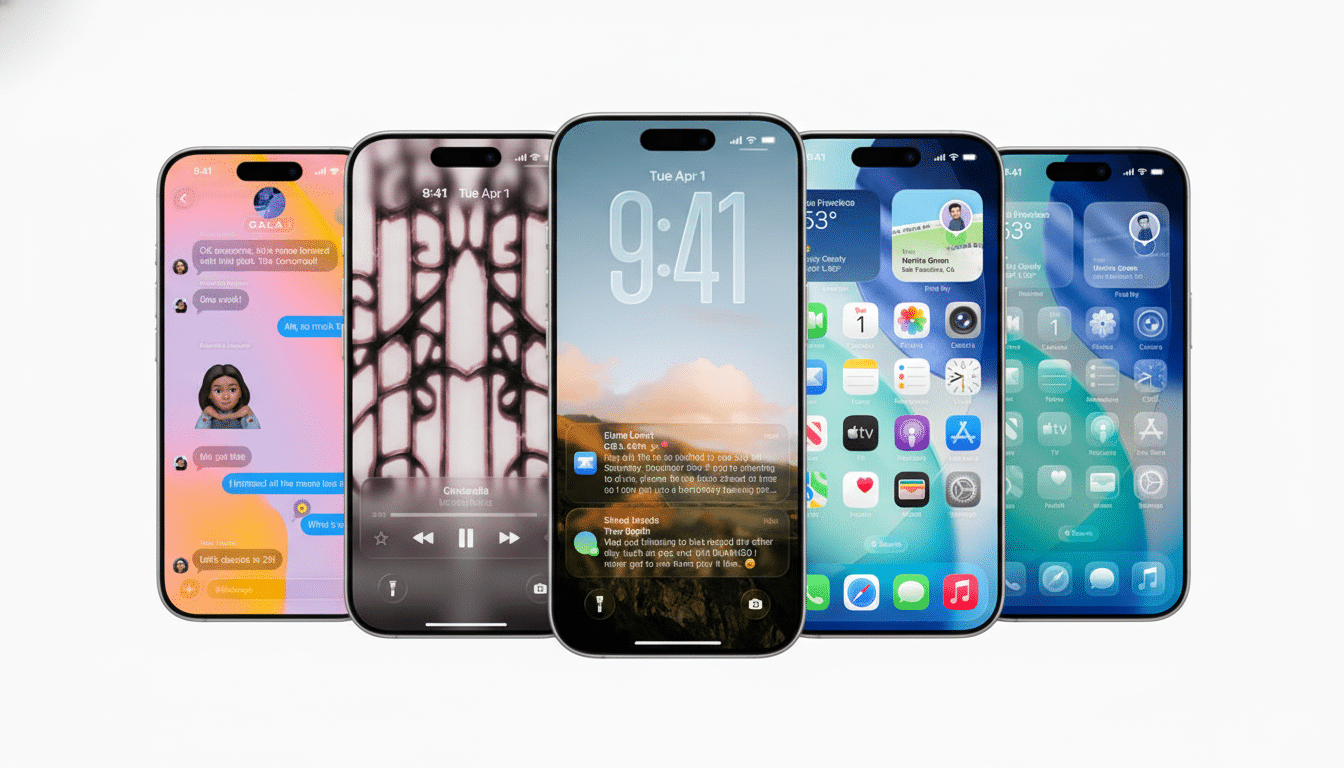
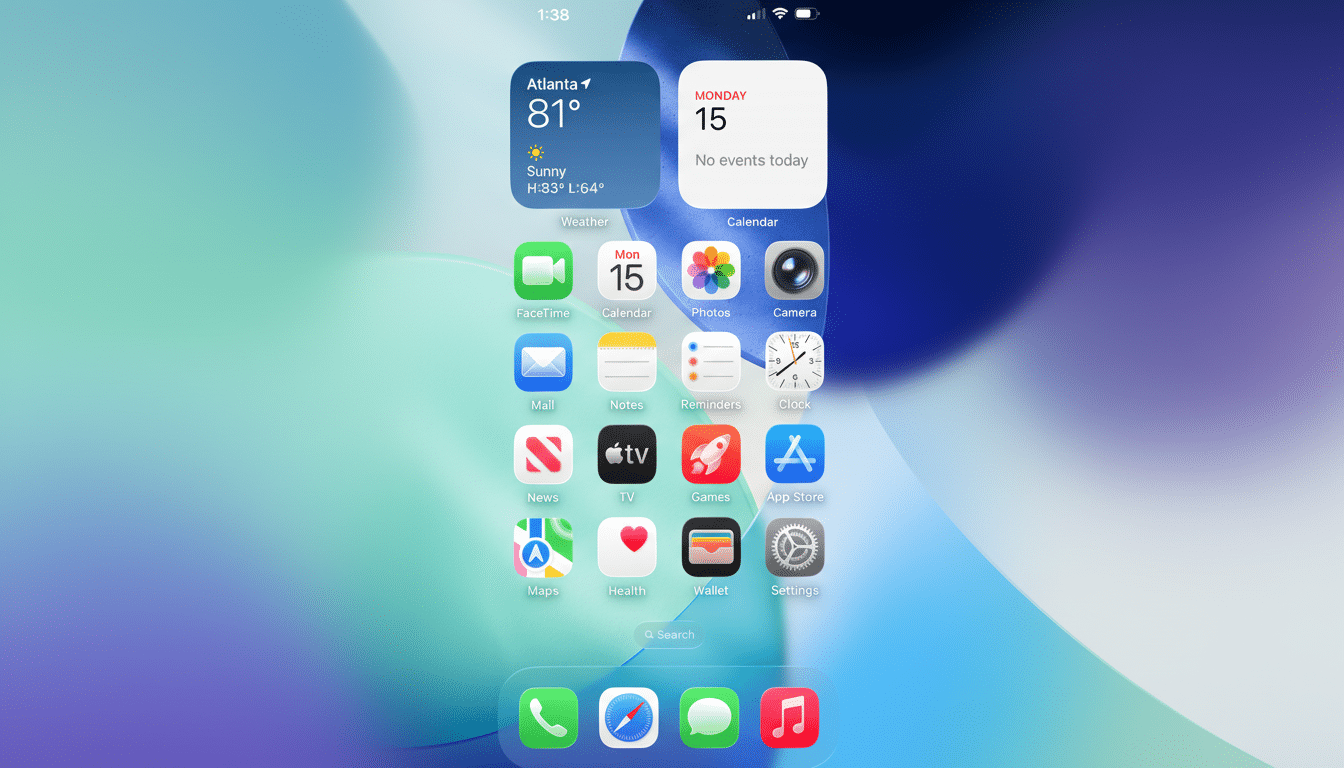
iOS 26’s Liquid Glass look is the lightning rod. The ultra-transparent, fluid look is a daring swing that some believe comes off as fresh or modern—but for others it sacrifices readability, adds visual noise and conflicts with accessibility requirements. The social chatter on Reddit and X features both factions in full voice: fans boasting of a futuristic feel, detractors decrying it as distracting or “unfinished.”
Apple has already brought new controls to tone down transparency and motion, and developers have some new APIs with which they can think about incorporating the look themselves. Still, trust in design is something that builds. Those who don’t love the new vibe have little reason to hurry.
Performance and battery complaints from early upgraders
Jittery scrolling, keyboard lag spikes and faster battery drain are familiar refrains from early upgraders, especially on older hardware like iPhone 13s.
Others describe relatively smooth experiences and no significant step backward, all serving as a reminder of just how wildly different real-world setups can be based on installed apps, available storage room and background processes.
For many it is simple math: if iOS 18 proves to be stable and fast, why chance a bumpier ride? That attitude alone can delay adoption for weeks or months.
No single killer feature creating urgency to update
But more than the visual changes, iOS 26 doesn’t have one killer new feature that screams update now to regular users. Tons of the improvements remain under the hood or serve more niche workflows, and third-party apps are still getting around to adding support for the new design language. Toss in update fatigue — the time that downloading, installing and relearning muscle memory can take — and it’s no wonder they’re left to languish.
Security fixes are a strong reason to update sooner
There is one important reason you should not wait too long: security. Apple’s iOS 26 releases addressed over two dozen vulnerabilities, and Apple’s security notes state that at least two vulnerabilities were used in sophisticated, targeted attacks on pre‑iOS 26 builds. If you are waiting for stability, then please consider upgrading to the newest version of the 26.x series patch as opposed to the day-one release.
Practical tip: back up your device, update your key apps, turn on Reduce Transparency if the visuals feel too busy, and give the system a day or two to finish its post-update indexing before passing judgment on battery life.
What to watch next as adoption trends evolve over time
That usually increases as Apple ships more and more fixes, developers adopt the new UI, and users see less of what irked them in their feed. But whether today’s real number is closer to 16 percent or 60 percent, we fret too much over the snapshot and not enough about the trajectory. If Apple keeps improving readability, performance and accessibility — while surfacing one or two genuinely delightful features — then expect the holdouts to get with it.
