


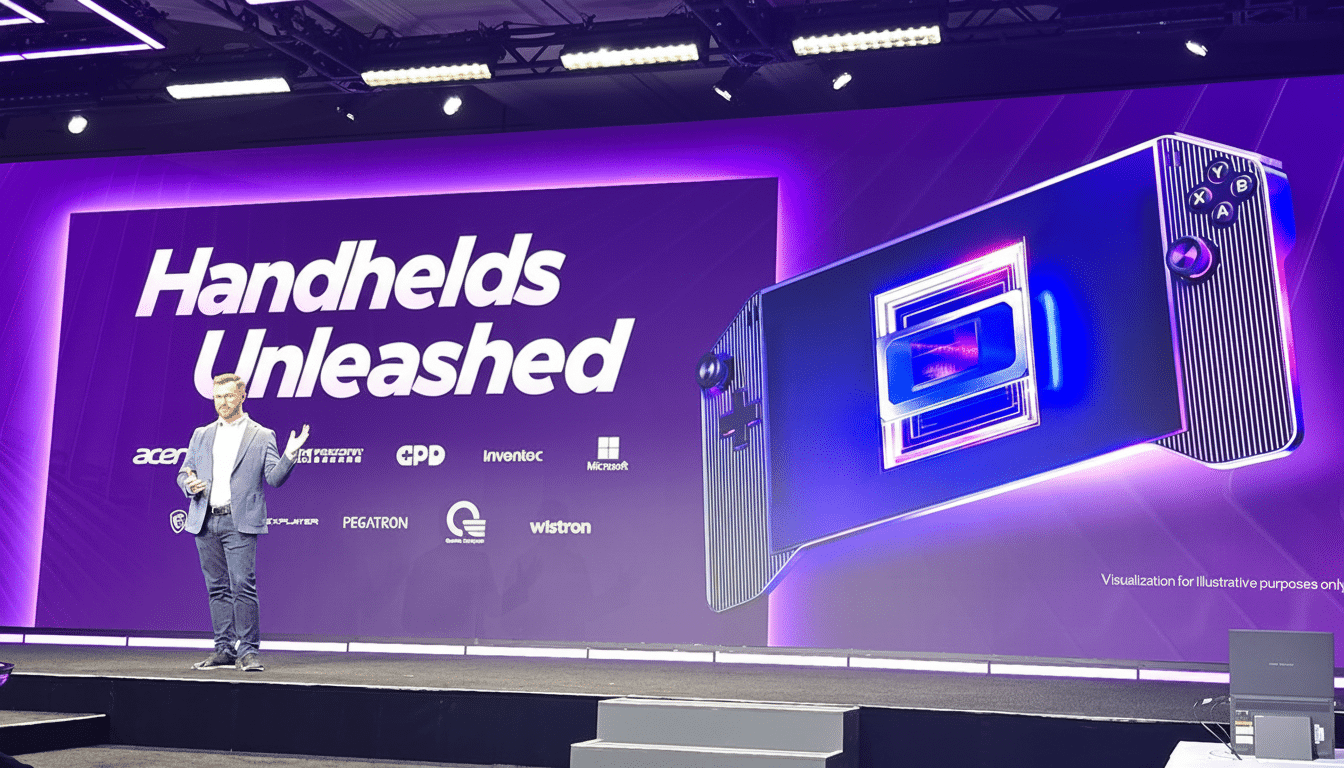
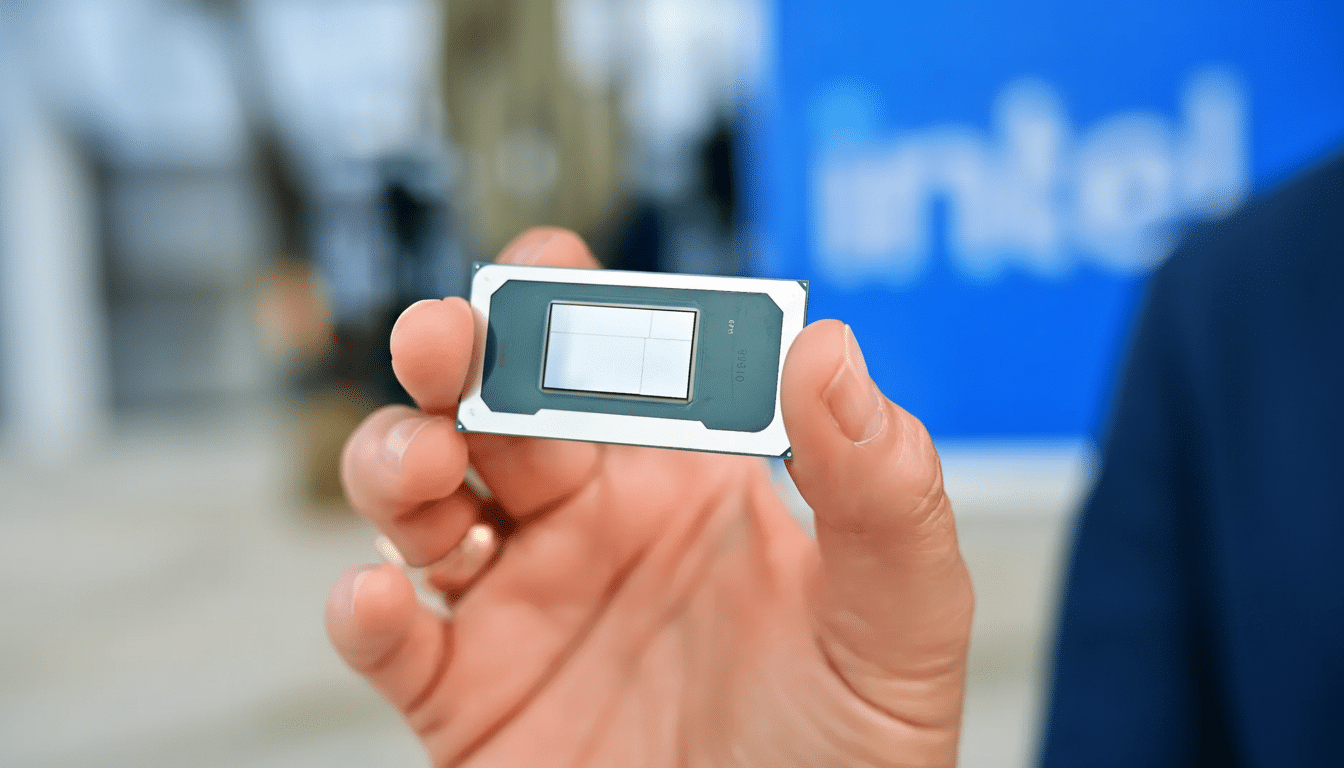
Intel signaled an aggressive move into portable PC gaming, announcing at CES that it’s developing a full-blown handheld platform based on one of its own dedicated chips and with a tightly integrated software stack. The project is kept alive by a processor based on the Intel Core Series 3, called Panther Lake, as this is Intel’s first handheld-focused play built on its advanced 18A manufacturing process.
Inside Intel’s Handheld Platform and Panther Lake SoC
Daniel Rogers, Intel’s vice president and general manager of PC products, said the platform will combine new silicon with a tuned software layer to take performance, thermals, and controls for mobile play under its wing. While we’re waiting for detailed specs, the framing indicates a SoC based on Panther Lake but now with attention to high-efficiency cores matched by their graphics, low-latency power state management, and console-level input handling.
Panther Lake is the first of several family customers from Intel’s 18A process for better performance per watt. On handhelds, that number is *everything* — the platform has to actually serve up modern PC visuals on power envelopes that can easily fluctuate from 9W to 30W or so and avoid bricking battery packs with common capacity of ~40–50Wh. Intel’s argument is that better silicon–software harmony—plus boost scheduling, frame pacing, and smart upscaling—can stretch those watts without leaving fidelity on the cutting room floor.
Challenging AMD’s Early Lead in Portable PC Gaming
The notebook PC sector is AMD’s domain, for now. Valve’s Steam Deck, the ASUS ROG Ally, and Lenovo Legion Go all contain AMD APUs that combine Zen-based CPU cores with RDNA GPUs. AMD continued to build on its gaming momentum at a buzzy CES with new announcements around processors and ray tracing features, a testament to how deeply invested it is in this category.
Intel’s response plays to the strengths of its Arc graphics portfolio and growing software support such as XeSS upscaling, which makes an appearance in over 100 games at last count, backed by improved drivers that have done nothing but improve frame-time performance since Arc entered the fray. If Intel can put those wins in a power-efficient portable chip, and make it easy for OEMs to churn with it, that should give device manufacturers an actual alternative to AMD’s mobile stack.
Winners Will Be Decided By Performance Per Watt
In real-world handheld use, the benchmark is not just about peak FPS but how smoothly a device can achieve 30–60FPS at 800p to 1080p without searing the palms of your hand or killing off any battery in an hour. The Valve Steam Deck OLED will tell you just how far efficiency tweaks get us, with up to 50% more battery life than the original thanks to screen, power and silicon boosting.
Anticipate Intel to make the most of intelligent frame generation and upscaling, dynamic power envelopes, as well as granular per-game profiles. An efficient handheld driver suite — fast shader compilation, minimal hitching, and snappy resume-from-sleep/timer management — is as important as the chip itself. Small deltas add up: Saving a few watts when the action gets intense can result in meaningfully longer play sessions.
Software Could Be Intel’s Secret Weapon for Handhelds
One of the most pervasive overlays for Windows-based handhelds deals with TDP presets, managing mappings and storefront launching. The experience is a mixed bag, particularly when dealing with game-level anti-cheat systems and display modes. Its platform approach, Intel says, will bring hardware knobs and software policy under one roof (implying that a turnkey layer for input, fan curves, and graphics settings may come around which you can brand but not develop from scratch).
If Intel ships developer tools and a reference UI that nails instant-on reliability, stable frame pacing, transition-free thermal from silent to loud tones, then it could close the gap with console polish. Plug-and-play levels of support for widely used services and launchers – not to mention compatibility with anti-cheat providers such as Easy Anti-Cheat and BattlEye – will be essential.
What to Watch Next as Intel Details the Platform Roadmap
Rogers said more information will follow later this year, with Panther Lake designs positioned as a basis. With Intel’s 18A ramp allegedly starting in 2025, this would line up with OEM prototypes and developer kits before hitting retail units, giving partners time to tune thermals, inputs, batteries, etc., around Intel’s power target.
The stakes are clear: If Intel gets its dedicated handheld chip formula right, striking the right balance of efficiency, frame rates and graphics features complemented by a low-friction software layer, it will offer device makers valuable choice in an exploding market that’s just getting started after Steam Deck redefined portable PC gaming. If not, AMD’s lead — and deep bench of handheld wins — will be tough to overcome.
