


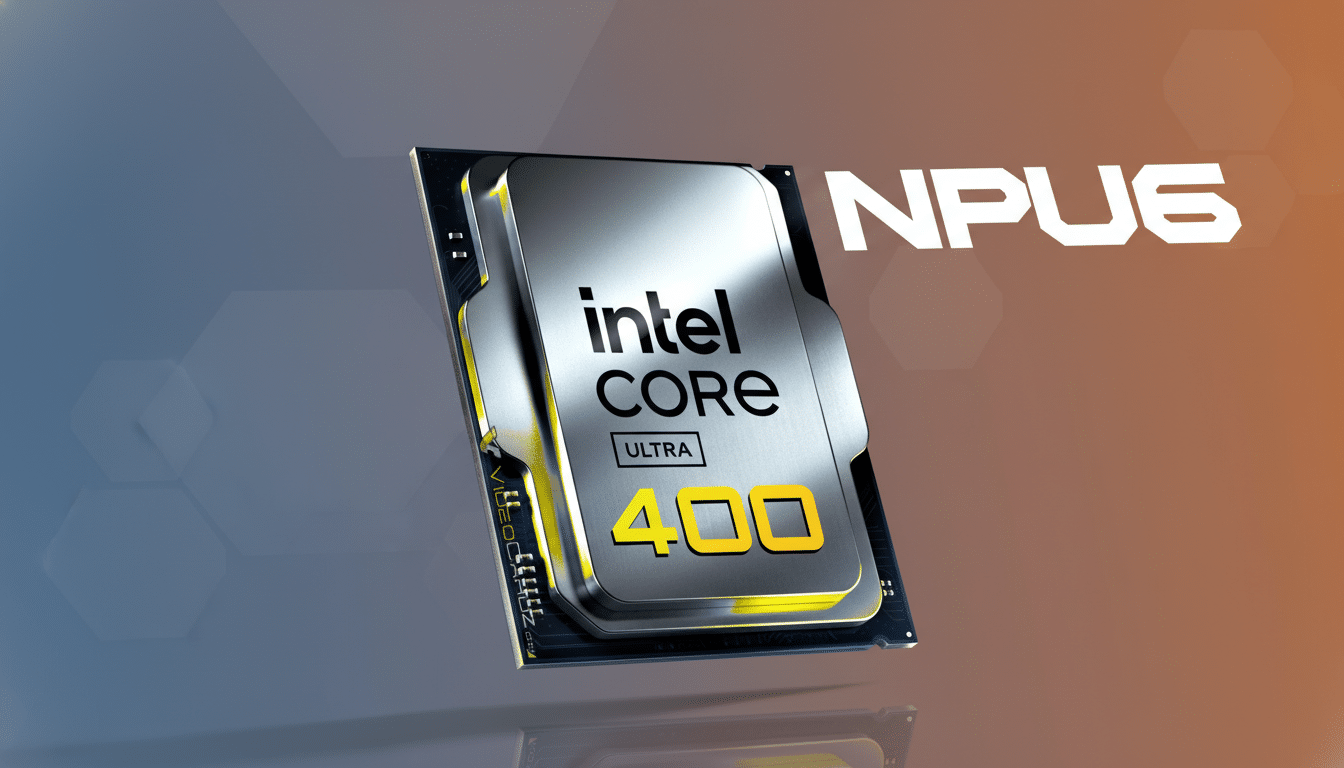
Intel has confirmed that its next desktop platform, the Core Ultra 400 family codenamed Nova Lake, will debut this year, setting up the biggest architectural leap for the company’s client CPUs in several generations. The pledge, made on an earnings call with analysts, signals a rapid follow-on to Arrow Lake as Intel pushes to reclaim performance leadership in gaming, creator workloads, and on-device AI.
What Intel Actually Confirmed About Nova Lake Timing
Executives told investors that Nova Lake is on track to arrive by year’s end, aligning with the typical late-cycle window for major desktop launches. While Intel kept hard specs under wraps, the message was clear: Core Ultra 400 is the company’s true next-gen client jump, not a simple refresh. Expect a coordinated rollout with leading motherboard partners and tier-one PC makers to hit the crucial holiday build cycle.
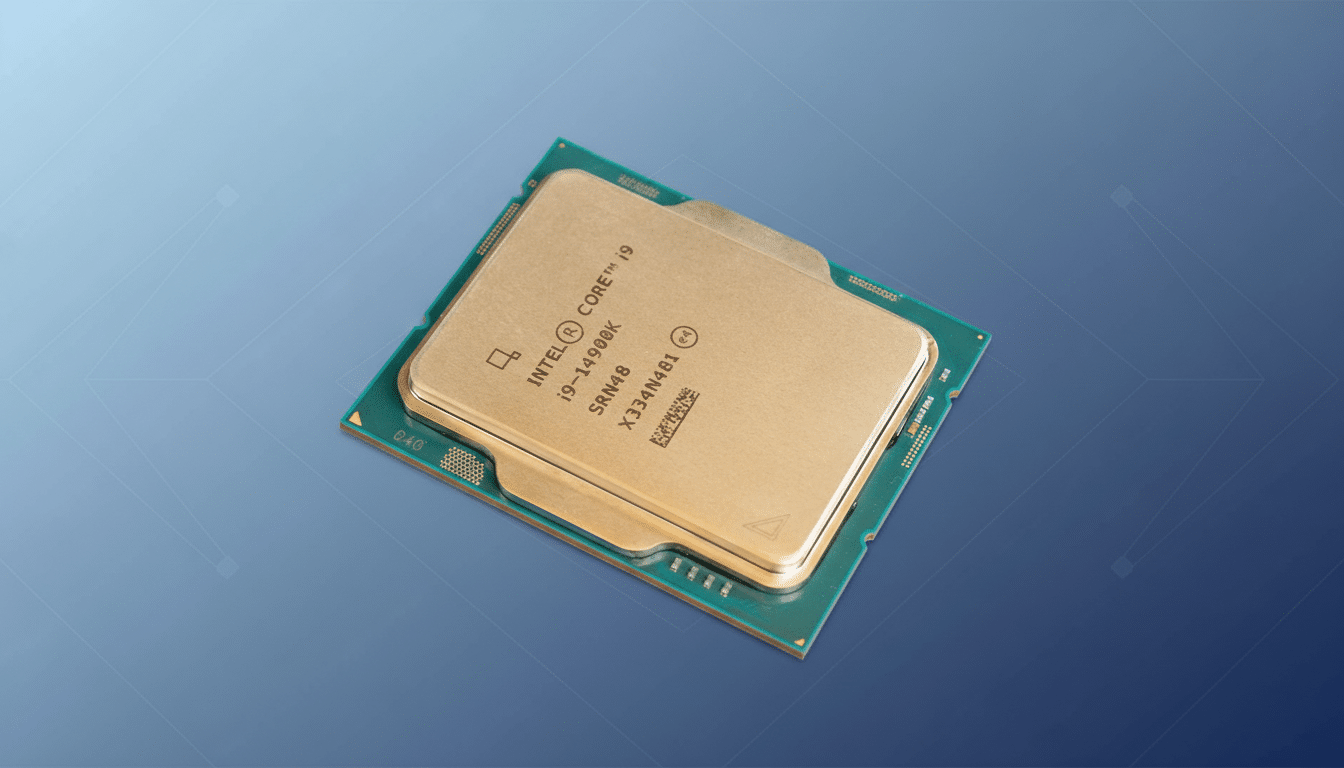
The commitment also tightens Intel’s cadence, following the Arrow Lake-based Core Ultra 200 launch and refresh. For buyers, it means shorter wait times between major platform updates and a clearer upgrade path as the industry pivots to AI-accelerated PCs.
A New Socket And Bold Core Mix For Nova Lake
Industry reports point to a new LGA-1954 socket for Nova Lake, a substantial pin-count increase that hints at more I/O, stronger power delivery, and headroom for higher core counts. Enthusiasts should plan on a new motherboard; backward compatibility is unlikely when pin counts jump this far.
Rumors tracked by outlets such as VideoCardz suggest top-end SKUs could scale to unprecedented core configurations for Intel’s mainstream platform, blending Performance, Efficiency, and ultra-low-power cores. Code names circulating in developer chatter—Coyote Cove for P-cores and Arctic Wolf for E-cores—point to fresh microarchitectures rather than iterative tweaks.
The move to a larger socket often coincides with platform-level gains: additional PCIe lanes for next-gen GPUs and storage, higher DDR5 memory speeds, and more robust VRMs to sustain boost clocks. Even without final specs, the platform signals a clean-sheet rethink.
Big Last Level Cache Could Shift PC Gaming
One of the most talked-about features is a Big Last Level Cache (BLLC), Intel’s apparent answer to AMD’s 3D stacked cache. If implemented as expected, a larger LLC can reduce trips to main memory, boosting average frame rates and, critically, smoothing 1% lows in CPU-bound titles.
We’ve seen how cache-heavy designs reshaped gaming performance before: independent testing from reviewers like GamersNexus and TechSpot showed sizable uplift from cache-rich Ryzen X3D parts in esports and simulation workloads. A sizable LLC on Nova Lake could deliver similar gains while keeping latency-sensitive game loops fed.
For creators, a larger cache helps too—think compilers, EDA workloads, and parts of 3D render pipelines where hot datasets cycle rapidly. The payoff is not just peak FPS charts but consistency across diverse workloads.
AI And Integrated Graphics Get A Significant Reboot
Nova Lake is also expected to feature a revamped NPU for on-device AI. With PC makers standardizing around AI-assisted workflows and operating system features that benefit from local inferencing, a stronger NPU reduces reliance on the GPU for smaller models and background tasks, saving power and freeing graphics resources for creative apps and games.
On the iGPU front, reports point to an XeP3 graphics block, a step beyond current integrated designs. Even modest iGPU gains can matter: faster media engines, better AV1 transcode, and higher baseline performance for thin-and-light desktops or compact builds that forgo discrete GPUs. For developers, a stronger iGPU and NPU combo opens the door to mixed workloads—render on the GPU while the NPU handles denoising or transcription in the background.
Process Technology And Packaging Changes To Watch
Analysts expect Nova Lake to lean heavily on Intel’s tiled design approach and advanced packaging, with a compute tile on a leading-edge node and complementary tiles potentially sourced from different processes. Whether that means Intel 18A or a mix of internal and external nodes, the strategy mirrors the broader industry push to disaggregate compute, graphics, and I/O for better yields and faster iteration.
This modularity also positions Intel to iterate specific tiles—like the NPU or GPU—more frequently, a practical advantage as AI features evolve faster than traditional CPU instruction sets.
Competitive Landscape And Upgrade Advice
Nova Lake will land into stiff competition. AMD’s next-gen desktop lineup, widely expected to evolve on its chiplet strategy with high-cache gaming SKUs, remains formidable. Independent data from outlets such as AnandTech and Tom’s Hardware shows AMD’s cache-boosted parts still dominate many gaming charts, so Intel’s BLLC and new core designs will need to deliver real-world wins, not just slide-deck metrics.
For upgraders on LGA1700 or early Core Ultra 200 systems, the new socket means a platform switch—factor a motherboard and possibly memory into your budget. Builders chasing maximum longevity should watch for boards with abundant PCIe lanes, robust power stages, and firmware support for early microcode updates, which often unlock stability and performance in the first months after launch.
The headline is straightforward: Intel is accelerating its roadmap and promising a sweeping redesign with Nova Lake Core Ultra 400 this year. If the cache, core, and AI blocks land as expected, the desktop performance race is about to get genuinely interesting again.
