


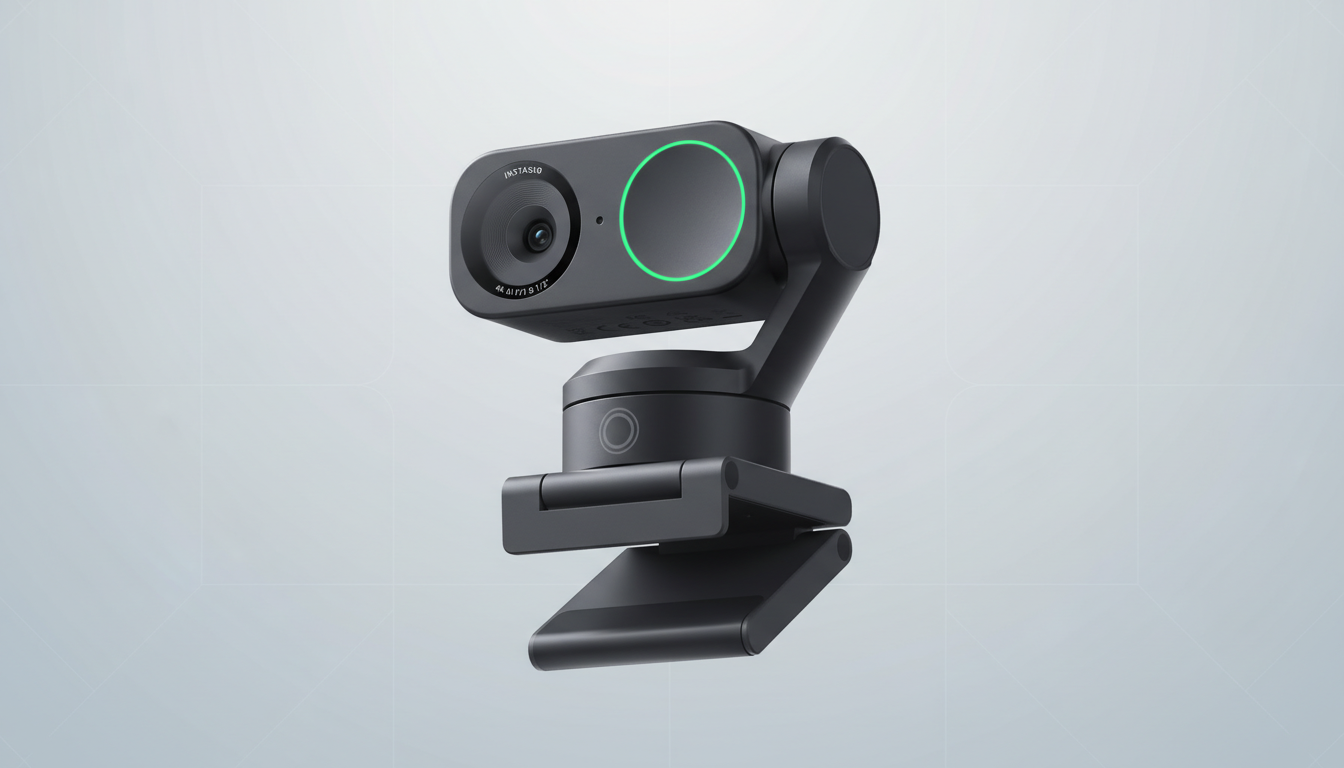
Insta360 is taking another swing at the premium webcam market with the Link 2 Pro and Link 2C Pro, a pair of 4K models built around larger 1/1.3-inch sensors, upgraded AI framing, and new beamforming microphones. The company’s pitch is bold: a desktop setup that feels “remarkably close” to a professional camera-and-mic rig, without the wiring, capture cards, or steep learning curve.
Both cameras capture 4K at up to 30fps in landscape and portrait, pair dual native ISO with HDR for cleaner low-light footage, and layer on software extras like whiteboard mode, gesture control, bokeh-style background blur, and scene presets. The Link 2 Pro adds a 2-axis gimbal for natural subject tracking; the more affordable Link 2C Pro keeps a static design but retains auto-framing.
Bigger Sensors Aim for a Studio-Quality Look
Sensor size is the foundation of perceived quality. A 1/1.3-inch sensor is materially larger than what’s inside most mainstream webcams, which often lean on 1/3-inch or smaller chips. The result, when paired with HDR and dual native ISO, should be smoother tonal roll-off on faces, less chroma noise in dim rooms, and more detail in mixed lighting where laptop webcams typically crumble.
Portrait 4K is a timely inclusion. Vertical video is now a first-class output for platforms like TikTok, Instagram Reels, and YouTube Shorts, and creators have been jury-rigging mirrorless cameras or rotating mounts to achieve it. Out of the box, Link 2 models can feed crisp 9:16 video without extra hardware, streamlining desk setups for short-form clips and vertical live broadcasts.
AI Tracking Enhanced by a Real 2-Axis Gimbal
The Link 2 Pro’s 2-axis gimbal is the differentiator. Rather than cropping a wide frame to follow motion, the camera physically moves to keep you centered, which preserves resolution and avoids the “digital zoom” look. In practice, that matters for presenters who stand, gesture, or switch between whiteboards and a seated position. The Link 2C Pro skips the gimbal but still performs auto-framing via software.
Gesture controls return, letting users switch modes or trigger tracking without touching the keyboard. It’s a small quality-of-life feature that becomes a big deal during live sessions or screen recordings, when fumbling for settings breaks flow and eye contact.
Smarter Audio With Four Flexible Microphone Modes
Audio is often the weak link in webcam upgrades, so Insta360’s new beamforming setup with AI noise reduction is notable. There are four distinct modes:
- Standard for everyday calls
- Original for unprocessed capture
- Wide for multi-speaker discussions
- Focus for isolating a single voice in noisy environments
In real offices, the ability to pivot mic behavior for HVAC hum, keyboard clatter, or group roundtables can be the difference between passable and polished.
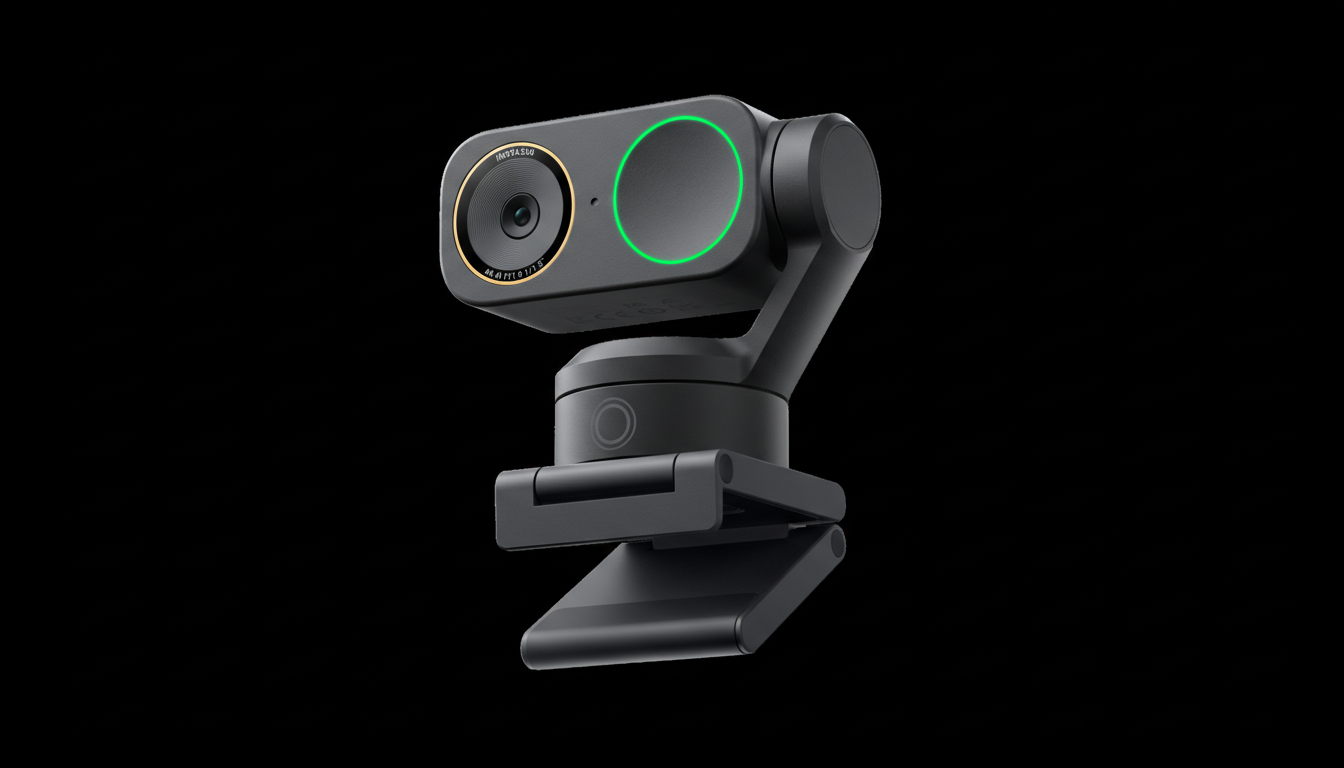
This approach mirrors trends seen in premium conference gear from brands like Poly and Logitech, where beamforming arrays target voices in real time. Bringing that philosophy to a creator-grade webcam makes sense as Zoom, Microsoft Teams, and Google Meet push higher-resolution video while emphasizing speech clarity.
How Close Is It to a Professional Camera Rig
Mirrorless bodies plus fast prime lenses still win on absolute image quality, subject isolation, and lens flexibility. But that route is complex and pricey, often requiring a capture card, external power, and color-tuning know-how. A webcam that boots instantly, frames intelligently, records vertical 4K, and dials audio for the room will be “good enough” for a lot of creators, educators, and hybrid workers—and faster to operate day-to-day.
Against rivals, the Link 2’s sensor size puts it in premium territory. Razer’s Kiyo Pro Ultra, with a 1/1.2-inch sensor and bright optics, set a high bar for low light and background separation, while Elgato’s Facecam Pro emphasizes 4K at high frame rates for gameplay overlays. Insta360’s counter is physical gimbal tracking and portrait 4K with flexible, mode-based audio—an appealing package for dynamic presenters rather than fixed setups.
Use Cases That Benefit Most From These Webcams
Training and education benefit from the gimbal’s ability to follow instructors from desk to whiteboard. Solo podcasters and consultants can lean on Focus mode to cut through noisy co-working spaces. Short-form creators gain a clean vertical pipeline without rotating gear. For teams, Wide audio mode and auto-framing make small huddle rooms feel less awkward on camera.
One practical caveat: most conferencing apps compress heavily and may cap bitrates, which can blunt the advantages of better hardware. Recording locally in 4K and uploading to platforms that preserve detail is the way to showcase what these cameras can do.
Pricing and Availability for Link 2 Series Webcams
The Link 2 Pro is priced at $249.99, while the Link 2C Pro comes in at $199.99. Both are available now through the company’s online store and major retailers. If you have been juggling a mirrorless camera for meetings or struggling with a laptop webcam, these models present a streamlined, creator-friendly alternative that pushes significantly closer to a studio look and sound.
