


Email deliverability in 2026 is no longer a tactical concern, it is a core infrastructure requirement. As major mailbox providers deploy increasingly sophisticated AI-driven filtering systems, tolerance for technical misconfiguration has disappeared. Organizations still relying on legacy authentication setups often find that their own Zero Trust security posture works against them, preventing legitimate business communications from reaching inboxes.
At the center of this shift is domain authentication. It now acts as the primary signal that determines whether an email is trusted, delayed, or rejected outright. In modern email ecosystems, identity, not intent,, defines deliverability.
The Shift to AI-Driven Inbox Governance
Email providers such as Google and Microsoft have fundamentally changed how sender reputation is evaluated. Where filters once focused heavily on content analysis, modern inbox governance prioritizes cryptographic identity alignment.
This evolution is a direct response to the rise of AI-generated phishing. Receiving servers no longer assume that well-written content is legitimate. Instead, they require verifiable proof that the sender is authorized to use the domain it claims to represent. For large organizations, even a small inconsistency in DNS authentication can result in widespread suppression. From the perspective of an AI-based gateway, an unauthenticated message is indistinguishable from a spoofing attempt.
Solving the SPF Infrastructure Bottleneck
Sender Policy Framework (SPF) remains a foundational element of email authentication, yet it is often underestimated compared to other DNS controls. The most common failure point is the protocol’s hard-coded 10-lookup limit. As enterprises layer in additional SaaS platforms for marketing automation, customer support, billing, and HR, SPF records frequently exceed this threshold, triggering a PermError that causes receiving servers to treat messages as unverified.
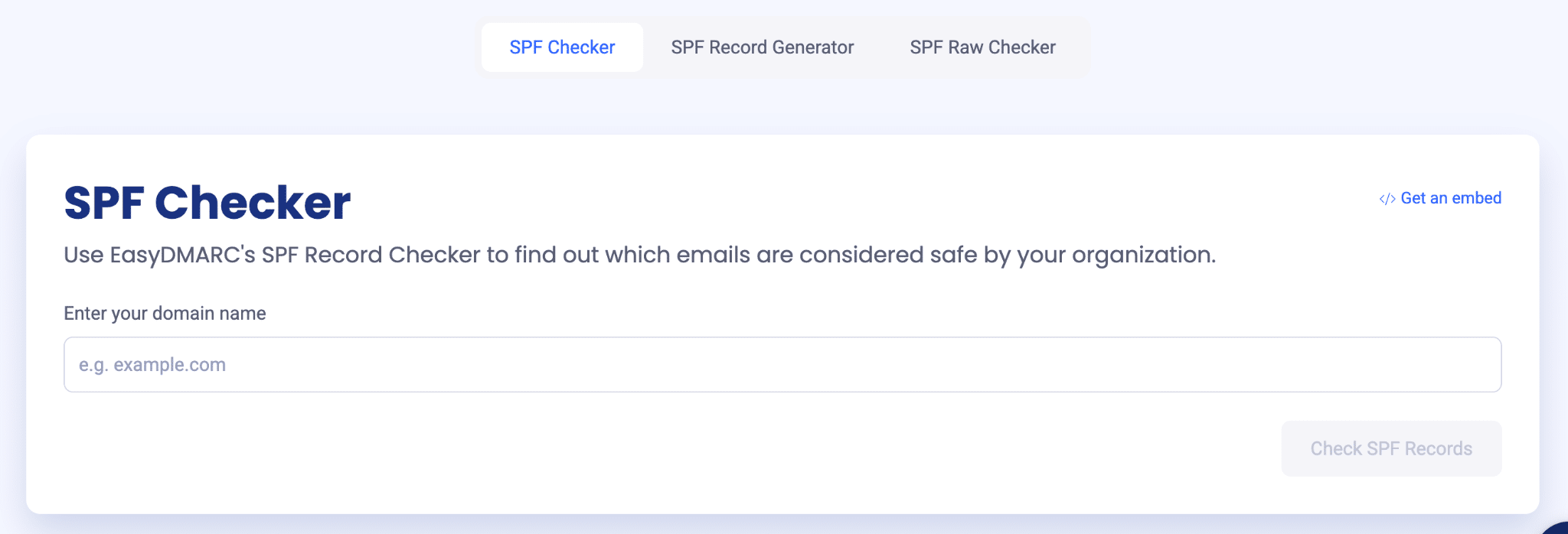
Maintaining reliable mail flow requires full visibility into SPF dependencies. Senior administrators typically rely on an EasyDMARC SPF lookup to audit their DNS structure and identify exactly where lookup chains break. This level of insight is critical for SPF flattening—a process that consolidates nested include statements into a single, optimized record. When executed correctly, flattening ensures that all authorized sending services are recognized without violating protocol limits, preserving trust with AI-based filters.
The Path to DMARC Enforcement
While SPF verifies where an email originates, DMARC defines how a domain enforces trust. By 2026, operating with a passive p=none policy is no longer sufficient for high-volume or brand-sensitive senders. Mailbox providers increasingly favor domains that have reached enforcement through p=quarantine or p=reject, viewing them as lower-risk senders.
Moving to enforcement is an operationally sensitive process. Organizations must first identify and validate every legitimate mail stream, including those generated by unsanctioned or poorly documented “shadow IT” tools. SPF validation, combined with continuous DMARC reporting, enables teams to confirm authorized sources before locking down policy enforcement. Once enforcement is in place, only authenticated mail is permitted to benefit from the domain’s reputation, significantly reducing spoofing and impersonation risk.
Editor’s note: Domain authentication is not a one-time project. As SaaS ecosystems evolve, authentication records must adapt in parallel. Manual maintenance no longer scales—automation is now a baseline requirement for sustaining 99%+ deliverability.
The Financial Impact of Authentication
The business value of email authentication is measurable. For large senders, even a one-percent drop in inbox placement can translate into millions in lost revenue, reduced engagement, and increased operational overhead. Authentication failures also create downstream costs, including support escalations, damaged brand trust, and delayed customer communications.
Strong DMARC enforcement is also a prerequisite for BIMI (Brand Indicators for Message Identification). BIMI allows verified brands to display their official logo in supported inboxes, reinforcing legitimacy and improving recognition in crowded, AI-curated email environments.
Digital Identity as a Strategic Asset
In 2026, a corporate domain is one of an organization’s most valuable digital assets. Email systems now operate on machine-verifiable identity, not assumptions of trust. Companies that treat email authentication as critical infrastructure, not just a security checkbox, gain consistent deliverability, stronger brand protection, and resilience against increasingly sophisticated digital threats.
Trust, at scale, is no longer implicit. It is engineered.
