


A plan for an AI image generator has been slashed to $35, breaking significantly beneath the norm of recurring fees typical to creative AI tools. As of now, the Standard Imagiyo AI Image Generator plan comes in at $34.97 (listed $495), making it an affordable resource for creatives, marketers, educators, and small business owners who seek a quick hit of visuals without a hefty subscription.
What’s included in Imagiyo’s Standard plan for $35
The Standard plan supports up to 500 image generations per month, with two simultaneous renders, meaning you can iterate on variations without getting stuck in a long queue. There are no watermarks or ads when exporting, and you can use the images commercially, making it perfect for brand assets and client work. It’s browser-based, so there’s nothing to install, and it offers several varieties of output sizes—for social posts, product mockups, slide decks, and print-ready art.
- What’s included in Imagiyo’s Standard plan for $35
- The technology behind Imagiyo’s image generation
- How the $35 Standard plan compares on overall value
- Who the Imagiyo Standard plan is best suited for
- Licensing terms and safety notes to consider before use
- Bottom line: is the $35 Imagiyo Standard plan worth it?
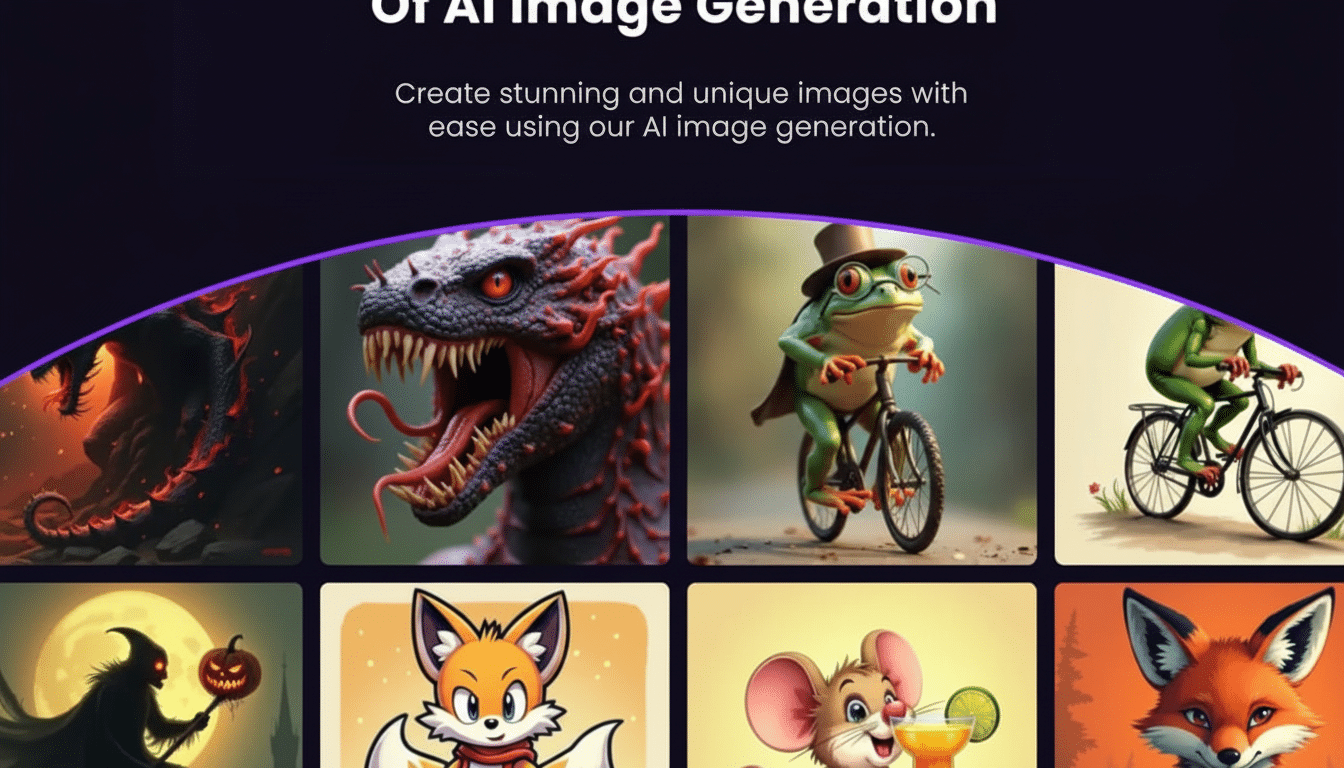
The prompting is deliberately minimal: “write what you want and then refine and generate.” If you need some inspiration, feel free to borrow prompt structures from libraries like PromptHero and modify them accordingly for your use case. The interface stays simple to ensure presets don’t become too cumbersome, removing all of the hassle when it comes to using advanced diffusion controls.
The technology behind Imagiyo’s image generation
Imagiyo draws on Stable Diffusion–based models including FLUX Schnell from Black Forest Labs and the variants using Modelslab Stable Diffusion. These are models prized for a mix of speed and quality, especially producing logos, icons, product scenes, and stylized art from text prompts. The Stable Diffusion ecosystem has emerged from open research and large-scale datasets, such as LAION-5B (a multi-billion-pair image–text corpus), enabling the democratization of high-quality image synthesis from closed platforms.
Practically, this means you can get quick drafts and decent photorealism with the right prompt engineering, plus consistent results when you reuse seeds and structure. Even high-end, best-in-class model ensembles can edge out detail in rare cases, but the speed-vs.-quality trade-off will more than make up for it with everyday content generation here.
How the $35 Standard plan compares on overall value
Most of the popular services impose monthly billing, and that can be hard to justify on a month-to-month contract for occasional use.
By comparison, $35 for a plan that allows 500 generations per month translates into a first-month effective cost of about a penny each. Stack that against the average small project—let’s say, a campaign for which you need mood boards, multiple drafts, and final assets—and there’s plenty of flexible room to iterate without breaking the bank.

For many creators, they now spread their work among tools like Midjourney, Adobe Firefly, or OpenAI’s DALL·E as well, incurring separate subscription fees (or pay-per-credit). A lower threshold for entry—with commercial rights included—makes it easier for freelancers and small teams to cover those bases, getting consistent throughput while budgeting expenses.
Who the Imagiyo Standard plan is best suited for
Freelance designers and social media managers could be the ones to benefit most immediately—500 images a month can handle concepting, A/B tests, and final deliverables for multiple clients. Teachers and students can spin up diagrams, presentation visuals, and thumbnails without hitting watermarks. Scene art and the UI can be created by indie developers early in prototyping before being handed off to illustrators for polish.
If your workflow requires ultra-specific brand photography or complex compositing, you’ll still want a human designer in the loop. But as an ideation engine and production assistant for straightforward assets, the plan fits fast-turnaround needs neatly.
Licensing terms and safety notes to consider before use
Commercial usage is permitted under the terms of the plan, but you must still be careful to respect trademarks and publicity rights, and to not include third-party IP referenced in prompts. AI-generated content is not registrable in its own right. The US Copyright Office has published a report confirming that AI-generated works are not copyrightable (by themselves) without human authorship; if you plan to license or register any creative works, make sure you include some human-directed edits and documentation of your “3D design workflow” along the way.
As with any diffusion model, do not create lookalikes of protected individuals, logos you don’t own, or celebrities for advertising purposes without permission. For brand work, keep a log of prompts, seeds, and post-processing techniques to create a convincing authorship trail.
Bottom line: is the $35 Imagiyo Standard plan worth it?
The Imagiyo AI Image Generator Standard plan is priced at $35, far below standard creative AI pricing, with a generous capacity, usable speed, and commercial-friendly outputs. For creators who’d prefer predictable costs and a clean, browser-based tool that just gets out of the way, it’s a no-brainer add to the kit—and an astute way to prototype more often.
