


Amid a sea of flashy prototypes, one pair of smart glasses finally feels ready for real life. But a hands-on with Even Realities’ Even G2 on the CES show floor showed an eyewear wearable that at least appears to be part of the sensible present day, using genuinely useful on-device smarts where so many others have leaned into hardware gimmicks designed only to draw attention.
A Design That Vanishes In Plain Sight And Stays Unnoticed
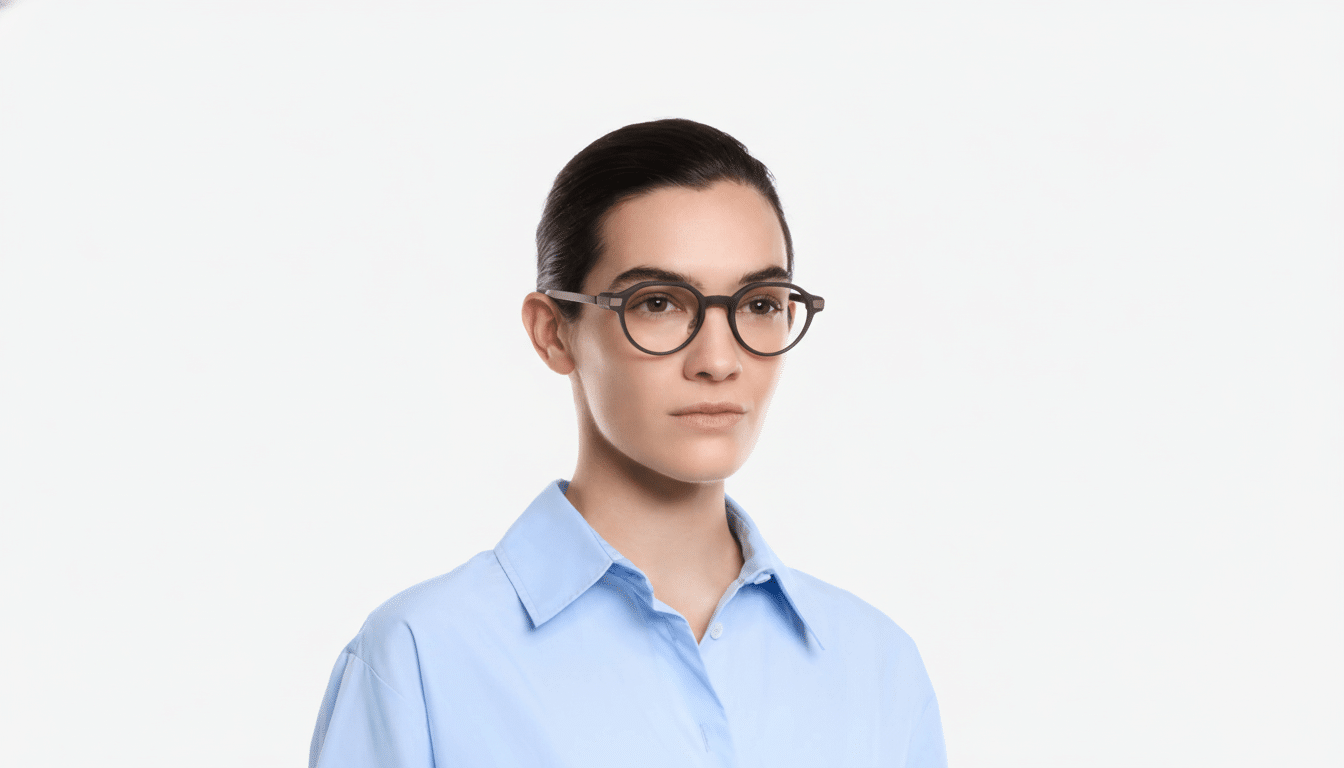
The Even G2 looks like eyewear of old, first and foremost. There is no forward-facing camera, no obvious lens module and no awkward bulge. Behind each arm are touch controls tucked at the back, well disguised to disappear behind hair while easy to feel out in a pinch.
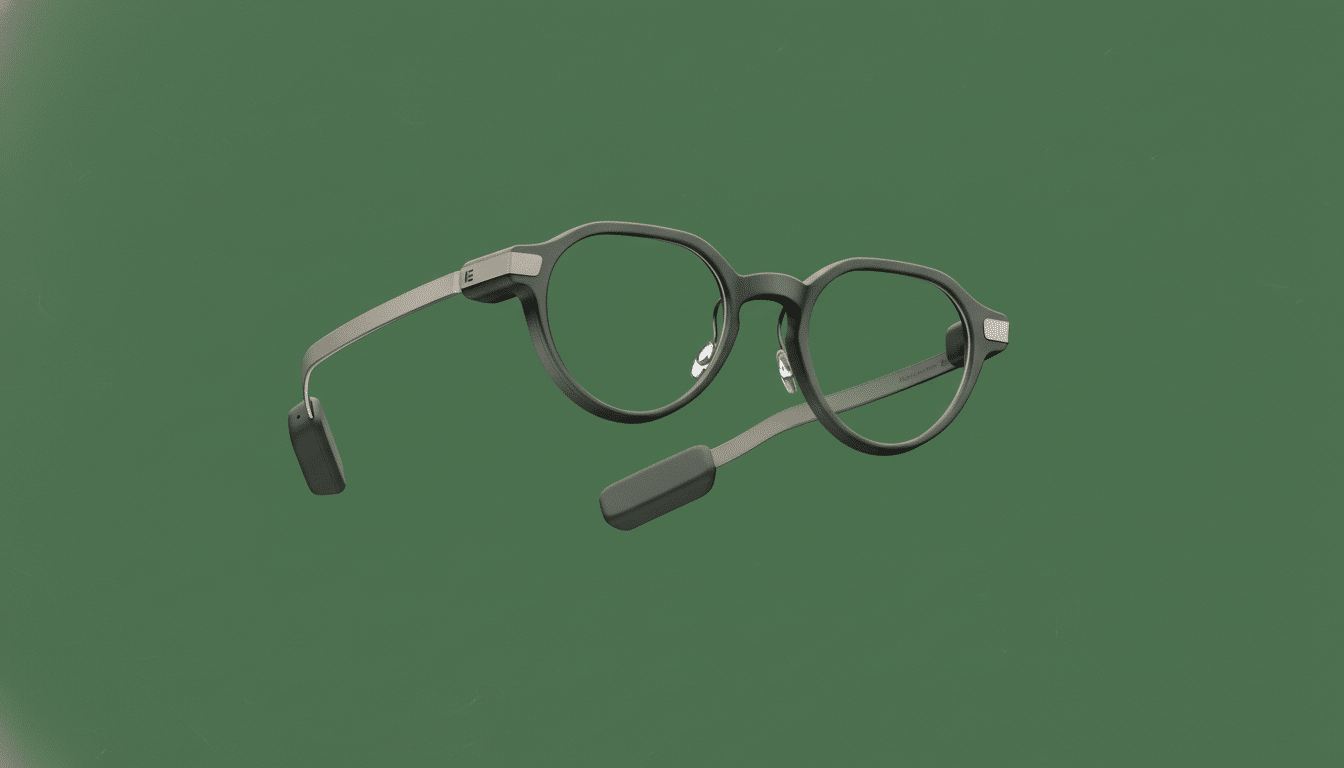
The frames are polished and practical, a combination the company attributes to team members who once worked for a large Cupertino-based tech company. You can opt for round or square frames, order prescription lenses and add a clip-on lens that becomes sunglasses while also serving to make the discreet green-on-black text overlay a bit more readable against busy backgrounds.
Fit is more important than specs you’ll forget after a week. Nose pads are adjustable, to help you dial in comfort; the only aspect that might be confusing at first is placement. Turn them a touch too high and the overlay disappears; slide them slightly down the bridge and you are greeted with UI.
Controls You Don’t Think About While Wearing Them
The language of the system’s tactile touches is instinctive: double tap to wake, swipe to navigate, long press for a quick menu. After a couple minutes, the act feels like using some normal wireless earbuds — except you’re turning a head-up interface instead of a playlist.
There’s even a discreet “look-up” gesture to check notifications without raising any digits. For those who never want to touch their face, there’s also Even Ring, the ‘second screen’ companion control device that you slide onto your finger: the same taps and swipes as you use on the glasses.
The case doubles as a wireless charger, which is supposed to promote the simple habit: drop in the frames at night, and wake up ready for a renewed day. It’s a small, right-kind-of-boring touch that makes the experience of having them feel less like Teeny Tiny Gadget You’re Babysitting, and more like Owning Glasses Like Normal.
AI Features That Are Designed To Handle Everyday Tasks
Even’s software suite shies away from gimmicks in favour of actual jobs people perform. Among the demos, four features shined: Conversate, Translate, Teleprompt and Navigate.
Conversate transcribes both sides of a discussion, capturing the most salient parts in tidy summaries as you speak. More impressively, it adds context on the fly — namely job titles or company affiliations as names pop up — and saves all of that to its companion app for reviewing later.
Translate managed a remarkably smooth live demo of Chinese to English. You’re not going to become a bilingual business mogul overnight, but for travel or cross-border meetings it is miles less awkward than holding up a phone screen between speakers.
Navigate acts as a serenely unobtrusive heads-up guide: turn cues appear in your line of sight but don’t obscure the world. Teleprompt is a subtle win for those creating and performing, notes hovering in exactly the right place but also allowing eye leading.
Early Takeaways From The Show Floor After Hands-On Time
And after hours of wearing them as I shuttled between booths and meetings, the glasses were good attention-grabbers for style rather than tech — exactly the reaction this category has been chasing for 10 years. The controls come to feel second nature, and the light overlay is far easier on the eyes than the dense, full-field AR some headsets have taken a run at.
The only restriction is to keep a day for fitting, especially for newcomers to eyewear. Once adjusted, the G2 was comfortable and sturdy for walking, typing, chatting.
Why This Practical Approach To Smart Glasses Matters
In the past, smart glasses have largely failed in three key areas — social acceptability, comfort and day-one utility. Analysts at IDC and Counterpoint Research have consistently cited those obstacles as the distinction between a curiosity and a category. With a focus on familiar looks, subtle controls and productivity-first features, Even’s approach falls on the practical side of that line.
Competitors illustrate the trade-offs. Capture- and audio-centric camera-forward models like the current version of camera sunglasses are even more severe; there’s no usable display to be seen. And cabled AR viewers like those from companies Xreal and Rokid do a great job at big-screen projection but feel more like personal monitors than glasses you’d want to wear all day. The G2 goes with light overlays that add to the realism rather than distracting from it.
Prescription support also matters. That’s led to native Rx (translation: prescription) tints and polars becoming table stakes for mainstream adoption, as well as over half of U.S. adults don corrective lenses, according to The Vision Council. Even checks that box.
There was still plenty to learn — the company prioritized hands-on demos over spec sheets from the show floor, and long-term battery life, durability and price will help determine the verdict. But the headline from the show is simple: these are smart glasses you won’t mind forgetting you have on until you need them, and that could be what this category has been waiting for.
