


I’ve tested every major foldable over the past few years, and none has impressed me photographically like the HUAWEI Mate X7. This isn’t a marginal bump; it feels like the first foldable whose cameras belong in the same conversation as top slab flagships. From daylight dynamic range to stabilized zoom and night performance, the X7’s imaging system consistently delivered shots I wanted to keep, not just tolerate because the phone folds.
Why This Foldable’s Cameras Truly Stand Out
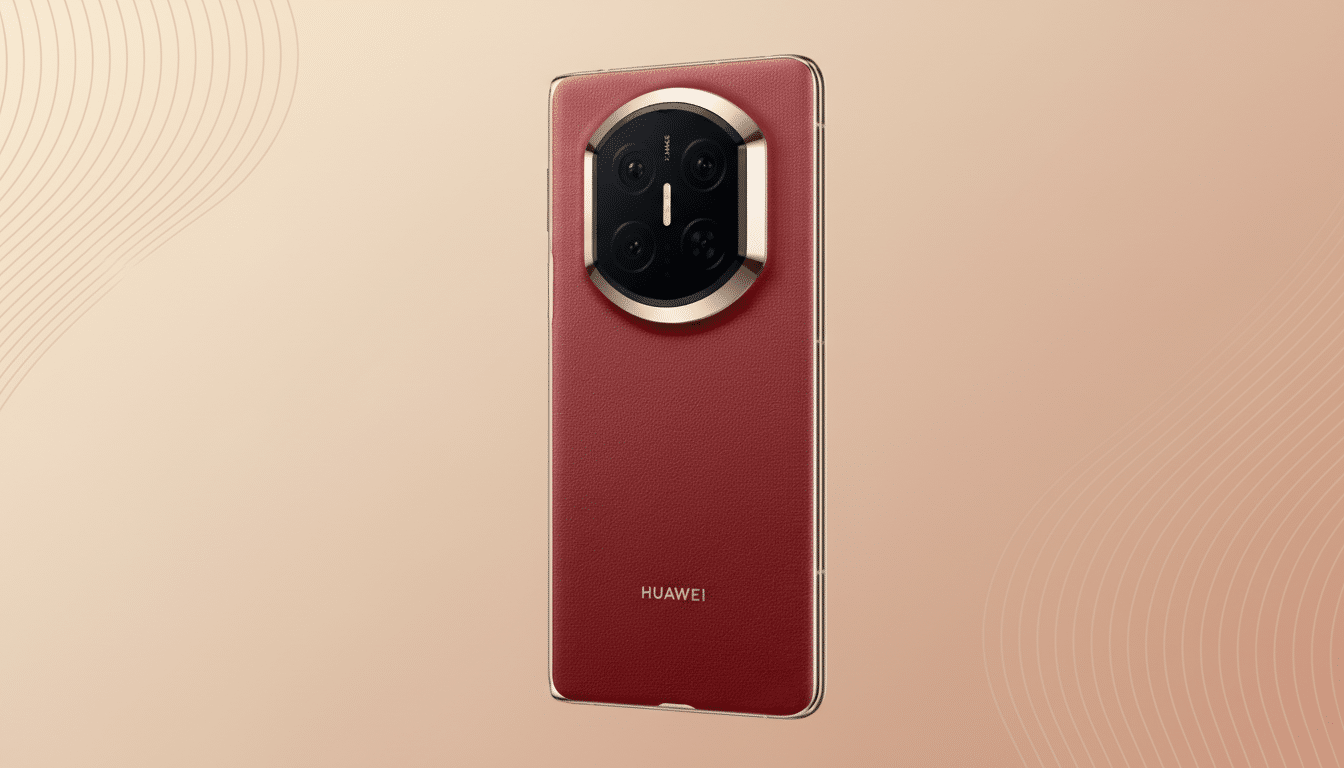
The core hardware tells part of the story: a 50MP main camera is paired with a 50MP telephoto and a 40MP ultrawide. On paper, that looks like typical flagship fare; in practice, it behaves like one. The main sensor pulls in detail without the waxy texture that plagues many foldables, and highlight control is unusually good. Shooting into backlit windows and sunset skies, I got balanced exposures with natural roll-off instead of crushed shadows or blown clouds.
- Why This Foldable’s Cameras Truly Stand Out
- Zoom That Finally Replaces Cropping for Detail
- Low Light Without the Overprocessed Look
- Video That Keeps Up With the Photos in Practice
- The Foldable Advantage for Framing and Stability
- Context and Caveats for Prospective Buyers
- How It Compares to Rivals in Real-World Use
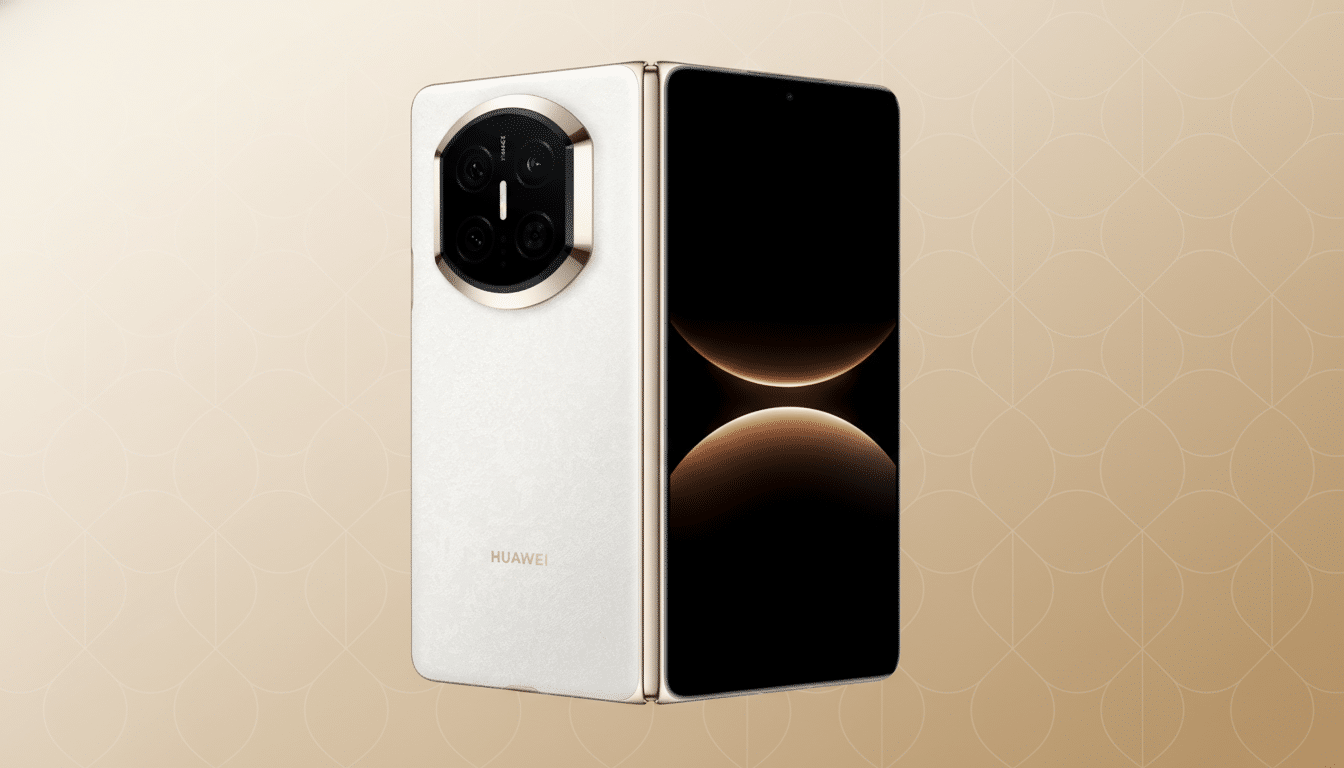
Color is where the X7’s approach shines. Huawei’s XMAGE processing, combined with its ultra-chroma pipeline, leans toward lifelike hues rather than hyper-saturation. Skin tones stayed believable, foliage didn’t skew neon, and streetlights at night looked warm without veering orange. Organizations like DXOMARK have repeatedly praised Huawei’s color and low-light tuning in prior flagships, and the X7 feels cut from the same cloth.
Zoom That Finally Replaces Cropping for Detail
The 50MP telephoto is the secret weapon. At its optical range, it captures crisp texture on brick, signage, and even fabric without the watercolor smear that often shows up on foldable tele lenses. I relied on it for portraits and street details in a way I rarely do on foldables. The caveat is physics: at roughly 3.5x, you still need a steady hand, and in dim light it can hunt if you rush. Keep still for a beat and it rewards you with shots that look like they came from a dedicated camera, not a compromise module.
More importantly, transitions between lenses are coherent. Many foldables shift white balance or exposure when you jump from wide to tele, breaking the illusion. On the X7, cross-lens consistency is strong, so a series of frames at different focal lengths looks like one visual story rather than three different cameras taped together.
Low Light Without the Overprocessed Look
Night mode is confident but restrained. The main camera holds detail and suppresses noise without turning scenes into daylight. I noticed less chroma noise in shadows than on several rivals, and fewer edge artifacts around high-contrast signs. Food photos in very dim restaurants can come out a touch soft if you don’t stabilize, but with a brief brace on a table or tripod mode using the fold, the results sharpen up nicely.
Historically, Huawei has leaned on large apertures, smart multi-frame stacking, and RYYB-style sensor tech in some models to improve light capture. While the X7’s exact sensor recipe is Huawei’s to disclose, the output aligns with that philosophy: bright, clean, and true-to-scene rather than aggressively brightened.
Video That Keeps Up With the Photos in Practice
Stabilization is excellent. Handheld walking clips stay smooth, and pans avoid the jello wobble that can ruin 4K footage. Lens switching during recording is notably fluid with minimal exposure jumps, which makes reframing mid-clip feel cinematic instead of jarring. Night video is better than expected for a foldable, keeping noise down in shadowed areas while protecting highlights around streetlamps and storefronts.
The Foldable Advantage for Framing and Stability
The form factor actually elevates the camera experience. Propping the X7 half-folded turns it into its own tripod for long exposures, time-lapses, or group shots. Using the cover display as a preview for rear-camera selfies yields dramatically better portraits than any inner selfie camera can manage. For travel and street work, these ergonomic perks matter as much as raw sensor specs.
Context and Caveats for Prospective Buyers
There are trade-offs beyond imaging. The Kirin 9030 Pro platform limits connectivity to 4G, and the usual questions around Google apps apply. None of that changes the camera verdict, but buyers should weigh the ecosystem fit. On the plus side, robust battery endurance means longer shooting sessions without power anxiety, and the IP-rated chassis and Kunlun glass add confidence when you’re out in the elements.
How It Compares to Rivals in Real-World Use
Competing foldables from Samsung, Google, and others have improved rapidly, yet most still compromise either zoom reach, low-light clarity, or cross-lens consistency. The Mate X7 is the first foldable I’ve used where none of those compromises felt deal-breaking. Counterpoint Research has noted that camera quality is a top driver for premium phone purchases, and the X7 lands squarely on that priority.
Bottom line, the Mate X7’s cameras don’t just clear the foldable bar; they raise it. If imaging is your main reason to upgrade and you can live with the software constraints, this is the foldable camera system to beat.
