


Selecting the right packaging tape is a critical yet often underestimated decision for Australian businesses. Whether you operate an e-commerce store, a warehouse, a manufacturing facility, or a retail operation, packaging tape plays a vital role in protecting goods, maintaining brand reputation, and ensuring efficient logistics. Choosing the wrong tape can lead to damaged products, increased returns, higher costs, and dissatisfied customers.
This guide outlines the key factors to consider when choosing packaging tape for your business, helping you make an informed and cost-effective decision.
- Why Packaging Tape Matters More Than You Think
- Understand Your Packaging Requirements
- Types of Packaging Tape and Their Uses
- Consider Australian Environmental Conditions
- Manual vs Machine-Applied Tape
- Branding and Security Considerations
- Sustainability and Eco-Friendly Options
- Balancing Cost and Performance
- Final Thoughts
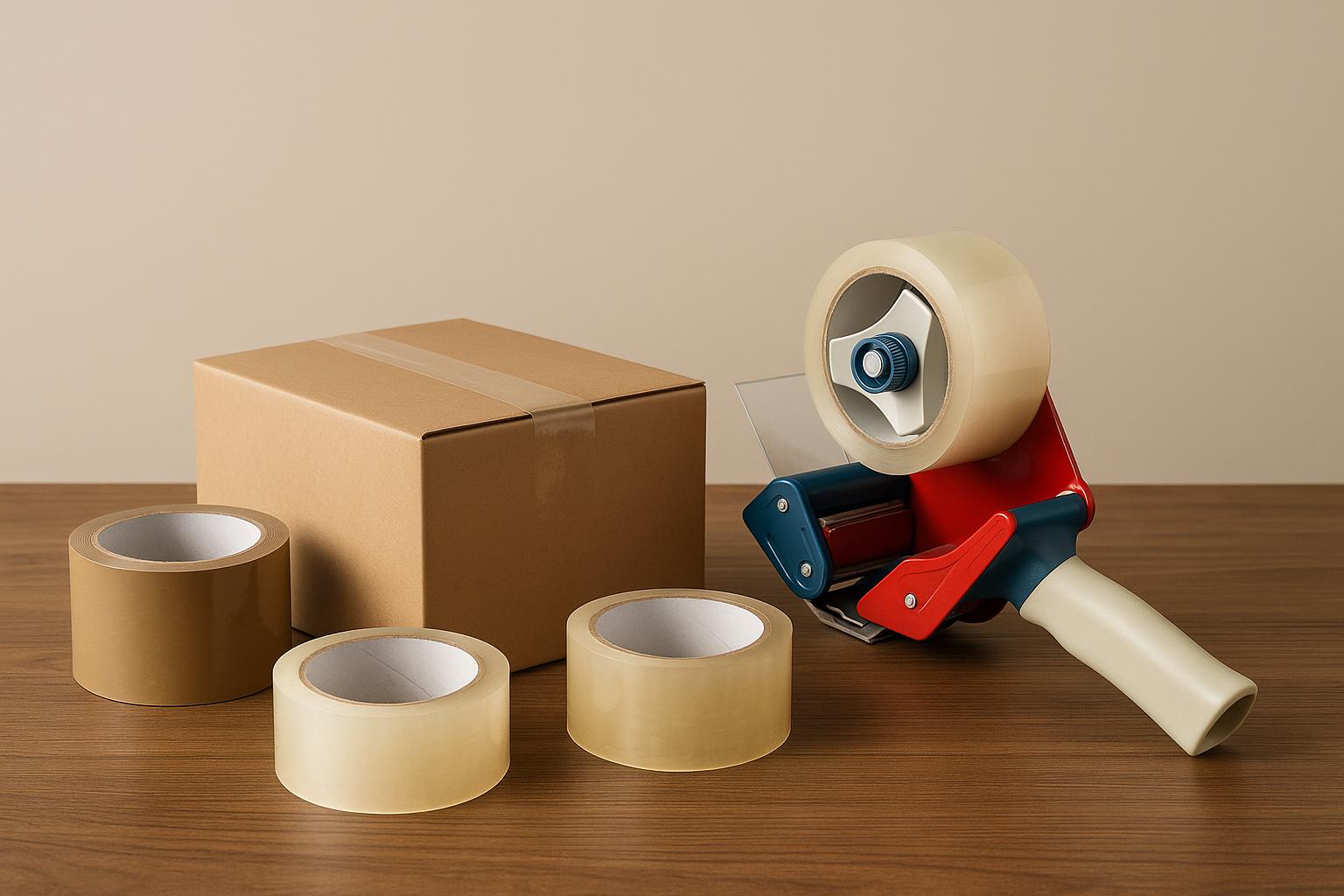
Why Packaging Tape Matters More Than You Think
Packaging tape is not simply a consumable item, it is a functional component of your supply chain. High-quality tape ensures cartons remain sealed during storage and transport, even under Australia’s varied climate conditions, including heat, humidity, and long transit distances. Poor tape performance can compromise package integrity, leading to product loss and reputational damage.
From a business perspective, the right packaging tape improves operational efficiency, reduces waste, and supports professional presentation.
Understand Your Packaging Requirements
Before selecting packaging tape, it is essential to assess how it will be used. Consider the following:
- Carton weight: Lightweight boxes require different tape strength compared to heavy or bulky cartons.
- Surface type: Recycled cardboard, corrugated board, and coated cartons all affect adhesion.
- Shipping method: Local deliveries, interstate freight, and international shipping place varying demands on tape durability.
- Storage conditions: Warehouses without climate control may require tape with stronger resistance to heat and humidity.
Understanding these factors ensures you choose tape that performs consistently throughout the packaging and delivery process.
Types of Packaging Tape and Their Uses
There are several common types of packaging tape used by Australian businesses, each with specific advantages.
Acrylic Packaging Tape
Acrylic tape is one of the most widely used options. It offers excellent ageing properties and performs well in a range of temperatures.
Best suited for:
- General carton sealing
- Long-term storage
- Light to medium-weight cartons
Acrylic tape is cost-effective and popular for businesses seeking reliable performance without premium pricing.
Hot Melt Packaging Tape
Hot melt tape provides strong initial adhesion and high holding power. It bonds quickly to cartons, making it suitable for fast-paced packing environments.
Best suited for:
- High-volume operations
- Medium to heavy cartons
- Short to medium storage periods
While hot melt tape performs well, it may be less resistant to extreme heat compared to other options.
Solvent Rubber Packaging Tape
Solvent rubber tape is considered a premium packaging solution. It offers superior adhesion, even on recycled or dusty cartons, and performs exceptionally well in extreme temperatures.
Best suited for:
- Heavy cartons
- Export and long-distance shipping
- Harsh or fluctuating environmental conditions
Although more expensive, solvent tape can reduce overall costs by preventing carton failures and product damage.
Consider Australian Environmental Conditions
Australia’s climate can be unforgiving, particularly during summer months. Heat can weaken adhesives, while humidity can affect carton surfaces. For businesses operating in warmer regions or shipping across long distances, selecting tape with strong temperature resistance is essential.
If your products are stored in unairconditioned warehouses or transported through multiple climate zones, investing in higher-performance tape can prevent costly issues.
Manual vs Machine-Applied Tape
Another important consideration is how the tape will be applied.
- Hand-applied tape is suitable for small to medium businesses with low to moderate packaging volumes. Ensure compatibility with standard tape dispensers.
- Machine-applied tape is designed for automated or semi-automated carton sealing systems. These tapes are typically longer rolls and require precise specifications.
Using the correct tape for your application method improves efficiency and reduces downtime.
Branding and Security Considerations
Packaging tape can also serve branding and security purposes.
- Printed packaging tape reinforces brand identity and creates a professional appearance.
- Custom-printed tape can include logos, slogans, or handling instructions.
- Security tape with tamper-evident features helps protect against theft and unauthorised access.
For e-commerce and retail businesses, branded tape can enhance customer experience and brand recognition at minimal additional cost.
Sustainability and Eco-Friendly Options
Many Australian businesses are increasingly focused on sustainability. Eco-friendly packaging tape options include:
- Water-activated paper tape
- Solvent-free adhesives
- Recyclable or biodegradable materials
Choosing sustainable packaging solutions not only reduces environmental impact but can also align with corporate social responsibility goals and customer expectations.
Balancing Cost and Performance
While it may be tempting to choose the cheapest tape available, this approach often leads to higher long-term costs. Inferior tape may require multiple layers, increase labour time, or result in damaged shipments.
A cost-effective strategy focuses on value rather than price, selecting packaging tape that provides consistent performance, reduces waste, and supports operational efficiency.
Final Thoughts
Choosing the right packaging tape for your business requires careful consideration of carton type, shipping conditions, application method, and environmental factors. By understanding the different types of packaging tape available and their specific advantages, Australian businesses can improve packaging reliability, reduce costs, and protect their products throughout the supply chain.
Investing in the correct packaging tape is a small decision that delivers significant operational and reputational benefits, making it an essential part of any successful packaging strategy.
