


In software development, delivering quality across diverse devices and operating systems is non-negotiable. But here’s the real challenge for small teams: budget constraints and limited hardware inventory make it hard to test everywhere. That’s where smart prioritization comes in. This blog breaks down how small teams can stretch resources, focus on real user impact, and build meaningful test coverage without buying every device on the market.
Start With the Right Focus
Before you buy hardware or write another test script, figure out what matters most to your users. Look at your analytics. Which devices and OS versions show up most? Which have the largest session counts, highest error rates, or longest load times? Targeting these upfront gives you insight into where most of your users live, and that’s where your test coverage should start. You can’t test everything, but you can test what matters most.
Build a Lean Device Matrix That Works
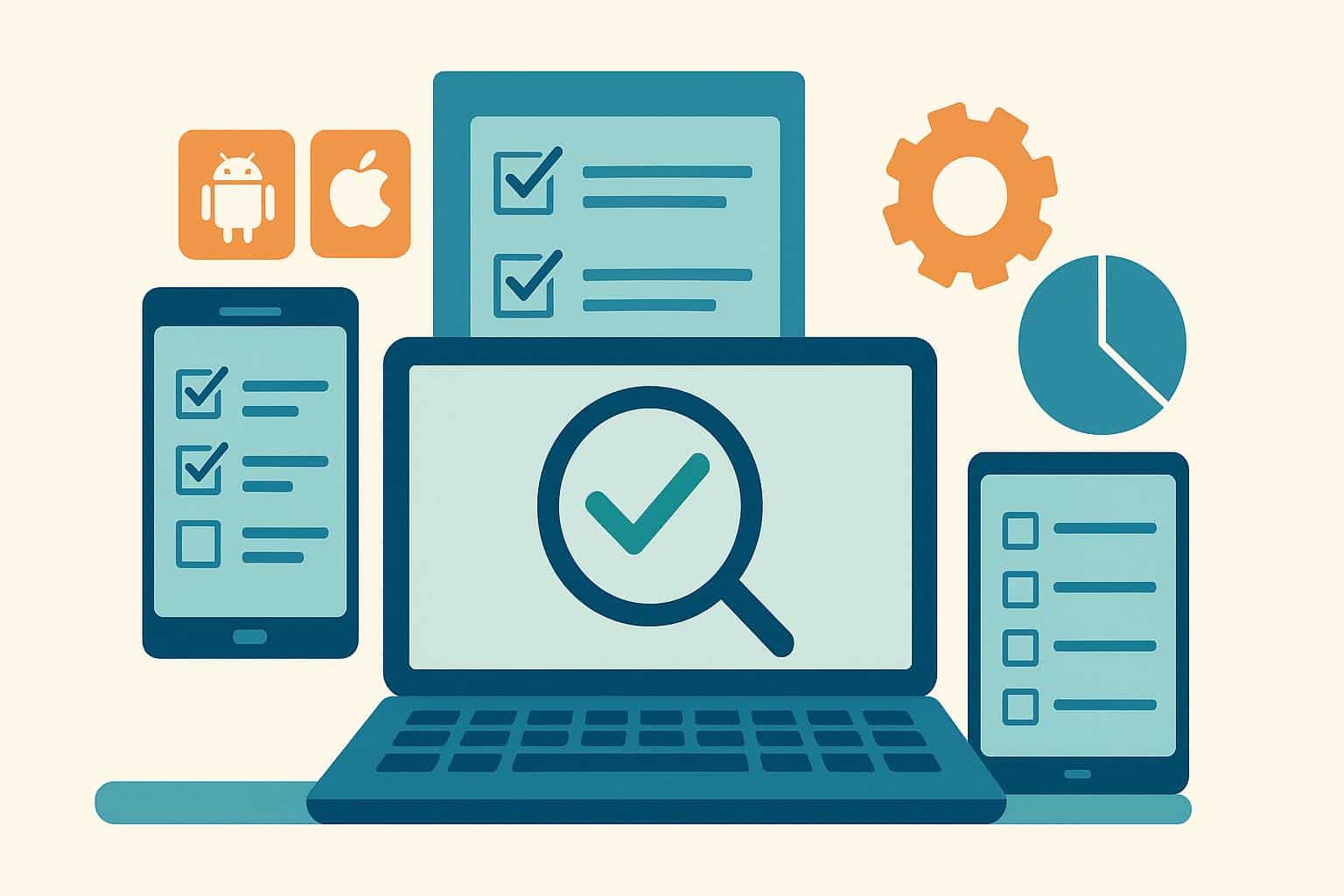
Once you know your audience, build a simple device matrix. Don’t overcomplicate it. Pick a handful of popular Android and iOS combinations that cover:
- Broad OS versions (oldest still in use and newest releases),
- Popular screen sizes and hardware profiles,
- Devices in key markets that drive your usage.
That matrix becomes the backbone of your plan — a clear guideline on where to invest your testing energy.
Mix Emulators With Affordable Real Device Testing
Emulators are fast, easy, and free. Use them early for quick checks and regressions. They catch a lot of basic UI and functional issues without needing hardware.
But here’s the thing: emulators don’t replicate real world conditions like network variability, hardware performance, sensors, gestures, battery behavior, and OS quirks. That’s where affordable real device testing comes in. With cloud platforms you get access to actual devices without owning them. It’s a cost-effective way to discover issues that only show up on real hardware, especially across different OS versions and form factors.
Use emulators to cast a wide net, but validate critical workflows and edge cases on real devices so your coverage truly holds up.
Prioritize Critical Paths and Features
Not every feature is equal. With limited resources you have to choose what gets tested with the highest fidelity. Focus first on:
- Core user flows — login, onboarding, subscriptions, checkouts,
- High-impact features — anything that could break revenue or block usage,
- Areas prone to variability — gestures, multimedia, geolocation, APIs.
This kind of triage boosts your test coverage where it counts. You’re not trying to be perfect everywhere, just reliable where it matters most.
Automate with Purpose
Automation saves time, but only if it’s stable and meaningful. Build automated tests that:
- Run fast and reliably on your chosen matrix,
- Surface real issues instead of flakiness,
- Cover functions that impact many users.
Focus automation on core user journeys and regression checks. Scratch tests that rarely catch real bugs or take too long to maintain. Just because something can be automated doesn’t mean it should be.
Iterate and Update as You Learn
Your test coverage plan should be alive. User trends change. New OS versions drop. Bugs you didn’t expect become blockers. Make it a habit to revisit your device matrix and test priorities after every major release or analytics cycle.
This loop of learn, refine, and expand makes your strategy smarter over time without adding cost.
Real-World Example: Make Decisions That Matter
Imagine your analytics show 80% of users on mid-range Android devices with Android 12 and 13, and 15% on recent iPhones with iOS 17. It’s tempting to chase every niche model, but that dilutes effort. Instead:
- Test Android 12/13 across a few popular screen sizes and vendors,
- Validate iOS 17 on common devices,
- Use affordable real device testing for network and hardware edge cases.
That combination gives you broad coverage and real world confidence without unnecessary spending.
How HeadSpin Helps
Here’s what this really means for small teams: you don’t have to own every device to test like you do. HeadSpin gives you access to a wide range of devices and OS versions in the cloud so you can run meaningful tests without upfront hardware costs. With insights into performance, compatibility, and real user experience, you can make data-driven decisions about where your test coverage needs to be strongest. HeadSpin makes affordable real device testing a reality, letting you boost coverage, catch issues before users do, and ship with confidence every release.

