


Have you ever noticed how some companies turn big plans into real results while others struggle to connect strategy with action? HR professionals often look for structures that bring clarity, not chaos. A CIPD Qualification helps professionals understand this well. It shows how organisations split into units to own their own strategy and delivery together. In a divisional setup, each unit becomes responsible for its own results. Teams move faster because decisions sit closer to delivery. Strategy feels clearer when it belongs to the division. Execution becomes quicker because alignment is built in, not chased later.
This blog explains how this Divisional Structure impacts strategy and delivery without starting the paragraph with the main keyword.
- Understanding Strategy and Execution in Divisions
- How Divisions Turn Plans into Action
- Ownership That Makes Strategy Real
- Autonomy That Speeds Up Execution
- Profit Accountability That Aligns Strategy with Action
- Focus That Sharpens Both Strategy and Delivery
- Coordination Challenges That Influence Execution
- Leadership That Balances Strategy and Execution in Divisions
- Conclusion
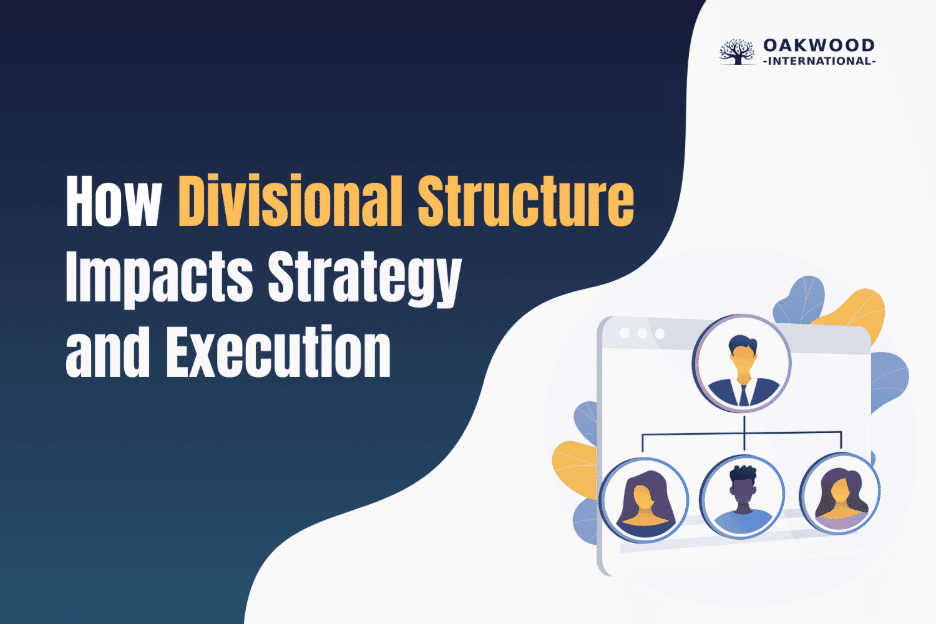
Understanding Strategy and Execution in Divisions
A divisional structure brings strategy and execution into the same home. Strategy is no longer a document passed down from the top. Each division helps shape it. Based on its product, region, or customer group. Because teams influence the plan, they also understand how to act on it. Execution becomes faster. With fewer approvals. With fewer loops. Strategy feels closer to daily work. Execution feels connected to decisions. The moment a division owns the strategy, it also owns the delivery. This reduces the distance between thinking and doing. Teams move quickly because they already know the goals and the context.
How Divisions Turn Plans into Action
Below are the key ways a divisional model impacts strategy and execution:
Ownership That Makes Strategy Real
When a business splits into divisions, ownership becomes sharper. Goals such as customer satisfaction and business growth sit within a single unit. Teams feel responsible, not stressed. They know what success looks like because the targets live with them. Teams no longer wait for instructions. They helped build the plan. Now they also track it. Accountability feels fairer because results belong to the unit, not one person. Ownership creates energy. It creates clarity. It creates quicker action. Strategy feels real because teams can connect each step to their own outcomes and see its impact on their results, without confusion.
Autonomy That Speeds Up Execution
Divisions are free to decide how they work. They choose their tools. They choose their timeline. They choose how to solve issues. Autonomy reduces delay because decisions are not stuck in long approval chains. Teams can test ideas inside their unit without slowing others down. They try concepts. They adjust plans. They deliver faster. Autonomy does mean no control. It means control inside the division, not outside it. Execution feels calmer when teams follow their own plan at their own pace. Autonomy helps teams focus. It helps them think. It helps them act. It helps them deliver responsibly with accountability.
Profit Accountability That Aligns Strategy with Action
In a divisional setup, profit is tracked at the unit level. This changes how strategy is written. Strategy now includes numbers that the team will own and report. Teams plan revenue, cost margin, and delivery more carefully because the results belong to the division. Profit accountability makes strategy practical, not unrealistic. Execution becomes disciplined, not slow. Blame decreases because outcomes belong to the unit, not to any one person. The division tracks its revenue. It tracks its margin. It tracks delivery progress. Strategy and action sit in the same place, so alignment feels natural without tension or delay, and execution improves with clarity.
Focus That Sharpens Both Strategy and Delivery
Each division focuses on one product, market, or region. This sharpens attention. It reduces distraction. Goals do not stretch thin. Priorities do not mix. Strategy becomes precise because it is built around one clear customer base, competitor set, and pricing environment. Teams already know the landscape, so execution becomes quicker. Decisions happen faster because focus reduces debate. Delivery feels smoother because the team is not balancing ten directions. Customer experience also improves because a single unit maintains consistency in strategy and delivery, making the journey feel cleaner for teams and clearer for customers.
Coordination Challenges That Influence Execution
Divisions can become islands if coordination is ignored. Information can slow down. Tools can differ. Reports can be split. Shared services such as IT, finance, or HR can create friction when alignment rules are missing. Coordination needs planning, not hope. Divisions fix this by agreeing on shared data points, sync meetings, and collaboration tools. Autonomy stays, but connection remains. Execution becomes smoother when coordination is set early with shared systems dashboards and a common language. These links keep divisions connected without stealing ownership. Strategic goals and delivery feel calmer when the bridge between units is designed rather than forced later.
Leadership That Balances Strategy and Execution in Divisions
Divisional leaders think like business owners. Because results belong to their unit, they balance autonomy with alignment. Profit with people. Strategy with delivery. They coach teams to prioritise based on division reality, not outside noise. Leaders remove bottlenecks, not create them. They guide strategy, not dictate it. Conflict reduces when collaboration rules are set early. Teams deliver quickly when leaders trust them to act on a strategy they helped shape. Leadership becomes local, not layered across ten levels, making execution calmer, strategy sharper, and accountability fairer for teams that need direction, not interference.
Conclusion
A divisional structure makes strategy feel owned, and execution feel clear. Each division becomes accountable for its results and delivery. Teams move faster because decisions sit inside their unit. Leaders guide without slowing progress. Profit and KPIs stay within the division, reducing blame and delay. When coordination tools connect divisions, early delivery feels smoother. Oakwood International supports professionals who want to understand organisational design and divisional leadership with clarity and confidence.
