


Consumer products are undergoing the biggest transformation in decades. From personal care to household goods to everyday wellness items, companies are relying on artificial intelligence, automation, and IoT-based insights to design smarter, safer, and more personalized products.
What used to be a simple supply-and-sell system is now a highly intelligent ecosystem where data drives decisions, and where consumers expect personalization, transparency, and reliability like never before.

AI Is Redefining Product Development
AI-driven product development tools allow brands to analyze millions of data points about consumer behavior, ingredient interactions, performance testing, and market trends. With these insights, companies can:
- Predict which formulas or features will perform best.
- Accelerate R&D cycles using digital simulations.
- Reduce failed prototypes.
- Create products tailored to specific demographics or needs.
For example, skincare and cosmetic companies now use AI models to predict irritation risk before a product is ever manufactured, saving enormous time and cost.
Smart Manufacturing: Precision at a New Level
Modern consumer product factories look very different from those even 10 years ago. Today’s facilities rely on:
- Computer vision systems for quality control
- IoT sensors that track ingredient stability in real time
- Robotic dosing equipment to ensure perfect measurements
- Predictive maintenance AI that prevents equipment failures
This results in more consistent products, fewer recalls, and higher safety standards.
Personalized Consumables – Where AI Meets Individual Needs
One of the fastest-growing categories is personalized consumables. Products designed around a person’s lifestyle, biology, or wellness goals. AI helps companies formulate:
- Customized vitamin blends
- Functional beverages
- Lifestyle supplements
- Specialized gummies and chews
In this context, even niche products can benefit from AI-enabled precision. For example, wellness brands producing items such as Delta 9 gummies rely on automated micro-dosing systems and spectrometer-based ingredient scanning to ensure consistency from batch to batch. This level of accuracy allows them to meet regulatory needs while giving consumers confidence in product reliability.
AI is becoming the new standard for precision across all consumable categories.
IoT Data Is Shaping Product Lifecycles
IoT isn’t just for smart home devices; it’s increasingly used throughout the product lifecycle. Sensors provide companies with:
- Data on how products perform in real-world environments
- Insights into storage conditions, temperature stability, or spoilage risk
- Feedback loops that influence new product iterations
- Usage patterns that guide future designs
For example, beverage companies use sensor data to understand carbonation stability across climates, while supplement brands use humidity-sensing supply chains to protect product potency.
Supply Chains Are Becoming Predictive, Not Reactive
AI has dramatically improved the efficiency of global consumer-product distribution. Brands now use predictive analytics to:
- Forecast raw material shortages
- Identify the most efficient shipping routes.
- Balance regional inventory levels.
- Adjust production based on demand spikes.
This not only keeps shelves stocked, but it also reduces waste, fuel use, and unnecessary manufacturing.
The Next Era: Hyper-Customization
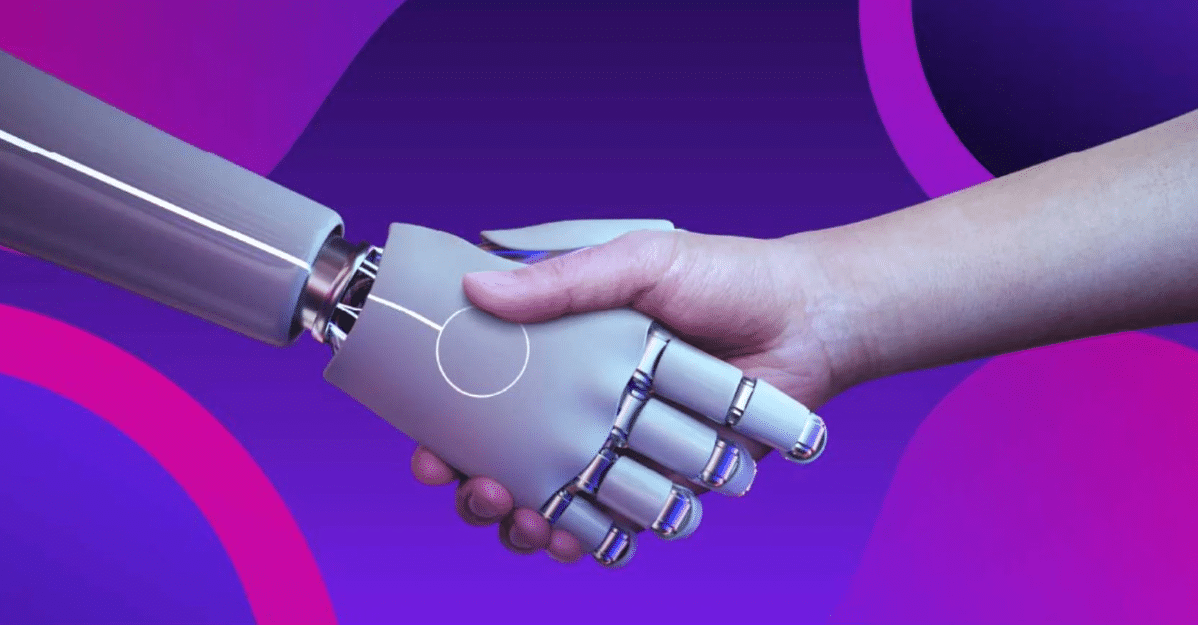
The future of consumer products is hyper-individualized. AI will increasingly enable:
- On-demand production runs
- Personalized ingredient blends
- Adaptive packaging that responds to usage
- Products designed specifically for a user’s biometrics or preferences
Even everyday items, shampoos, supplements, snacks, skincare will move toward customized formulations generated by AI algorithms and produced in automated micro-factories.
Conclusion
AI, automation, and IoT technologies are quietly rewriting the rules of consumer-product creation. From smarter formulations to more reliable manufacturing to increasingly personalized options, modern products are becoming more intelligent at every stage of their lifecycle.
The companies embracing this shift aren’t just making better products, they’re creating a more responsive, efficient, and consumer-focused ecosystem that will define the next decade of innovation.
