


One swim team is wrenching novices into shape but claims no responsibility if they “drown,” risking dismemberment in the process. Rather than there being a profile tossed away over one racy photo or prompt, the dating app will now simply remove that particular piece of content on the offending profile, tell the user what they did wrong, and put an algorithm in place to temporarily limit that profile’s visibility until it can be fixed. The update affects U.S. users and is being rolled out as a push for clearer, more proportionate enforcement takes effect.
Before, daters were typically barred for a single policy violation, having to appeal just to reinstate their account. Under the new system, individual pieces of content that a moderator finds to have violated Hinge’s Terms of Service — like potentially discriminatory language, suspected scams, or sexually explicit content — are removed, while the rest of the profile is not affected.
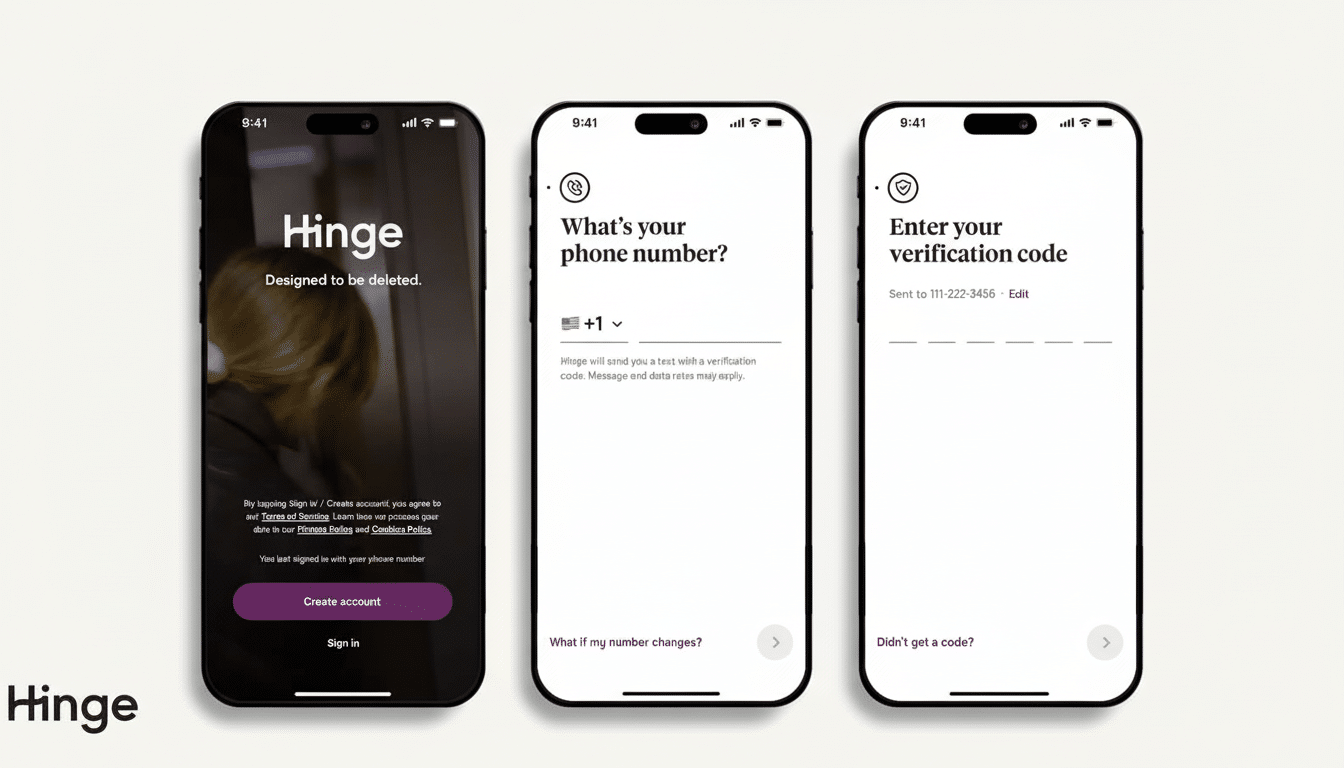
Why Hinge is changing course on single-violation bans
The change is part of a larger trend in platform governance toward moving away from blunt, account-level penalties and toward moderation at the content level as well as clearer feedback. Users have long grumbled that opaque decision-making and instant bans are out of step with the real world, where honest mistakes or misclassifications can happen — particularly when a system is automated.
There is a safety and trust calculus, too. Dating platforms face a balancing act: They must prevent relationships from turning ugly and poisonous while protecting the intimacy and safety that makes them unique. With the Federal Trade Commission saying people lost more than one billion dollars to romance scams in recent years, there’s reason to remain vigilant. Meanwhile, the Pew Research Center has reported that large shares of online daters experience some form of harassment or impersonation — ranging from name-calling to threats or being harassed by someone who contacted them after ending a relationship — and thus should receive stronger safety tools and more equitable enforcement.
Hinge’s approach is similar to “strike” models used in other places. YouTube’s three-strikes program and Meta’s account status tools, for example, favor two levels of content removal, warnings, and temporary limits before permanently banning users. Apply that kind of logic to dating apps, and the harm can be mitigated without simply sweeping away good users.
How the new Hinge content moderation system will work
When reviewing a profile on Hinge, if content is flagged and found to violate policy, the app will remove that particular photo, video, or response to a prompt and send an explanation to the user. During that time, the profile will not appear in Discover or Standouts — feeds where people browse and match — until it’s updated to adhere to the rules.
Examples of messages that can prompt removal include content that employs slurs or exclusionary language, a selfie that looks like a scammer profile, and a video with sexual content. Substitute an item that adheres to policy and visibility is restored; do not, and your account is essentially invisible even though it has not been disabled.
The shift doesn’t, Hinge says in the release, excuse “blatantly abhorrent” behavior. Repeated or egregious violations can still result in full account removal under its Terms of Service, the company says, and it has pledged to continue investing in reporting tools, detection systems, and human review to catch serial violators.
Safety and transparency trade-offs in Hinge enforcement
For users who were blindsided by bans over a single misstep, the update should cut down on friction and feel a bit closer to due process itself. Clear feedback also helps users absorb shifting norms — what constitutes harassment, when innuendo becomes explicit, and how anti-discrimination policies fit with profile prompts.
Critics will wonder if softer first responses mean bad actors can stick around. Suppressing a profile from discovery while unsavory material is being purged is a good throttle, but primarily emphasizes speed and accuracy of moderation. The type of balancing act that Hinge is seeking — prompt removal of offending content with increasingly severe consequences — mirrors well-established best practices, including principles that civil society groups have been advocating for notice, explanation, or a path to redress.
The parent company’s context is important as well. Hinge is owned by Match Group, a company that runs several other dating apps. Industry leaders have indicated that they take down huge numbers of accounts and content in violation of their policies each year. A content-first enforcement layer would be able to sift out borderline problems faster and spend resources only on the very worst abuse and organized fraud.
What daters can do now to keep profiles in good standing
- Anticipate more individualized notices if something you post is removed.
- Check the explanation carefully and update the offending prompt or media; your profile should reappear in the app’s browsing feeds once it adheres to the rules.
- If you think a removal was in error, collect context — such as proof a photograph is yours or how a joke was misinterpreted — and be prepared to share it through support channels.
- Stick to the guardrails: no discriminatory language, no nudes or explicit content, and be wary of any requests for payment or links to external sites that might be scams.
- If something seems off, report it — particularly investment pitches, requests to move off-platform right away, and pressure tactics — which regulators such as the FTC highlight as common patterns of fraud.
Bottom line: Hinge’s new policy is a nudge toward fairness without breaking up with safety. By making responses fast, the app hopes to reduce the need for bans from a community that often reflects and captures society’s worst dynamics through sample sizes much larger than those you’re going to meet at work or in your own personal experiments.
