


Sky-high memory prices are turning unremarkable cardboard boxes into hot commodities. Given that consumer DDR5 kits are now routinely a few times the price they were last year — and I wish I were joking about that — retailers and couriers alike are starting to notice a shift in theft behavior, as small, high-value components like RAM become increasingly attractive targets for both porch pirates and opportunists within the logistics chain.
The risk isn’t theoretical. Hardware forums buzzed after a U.K. buyer woke up to find his 32GB DDR5 SODIMM had been marked delivered at 4 a.m. and signed for about 300 miles away from the given address, Tom’s Hardware reported. The order, from a marketplace seller, never arrived to the customer; the illegible signature and after-hours scan prompted a familiar debate over misdelivered parcels versus outright theft.
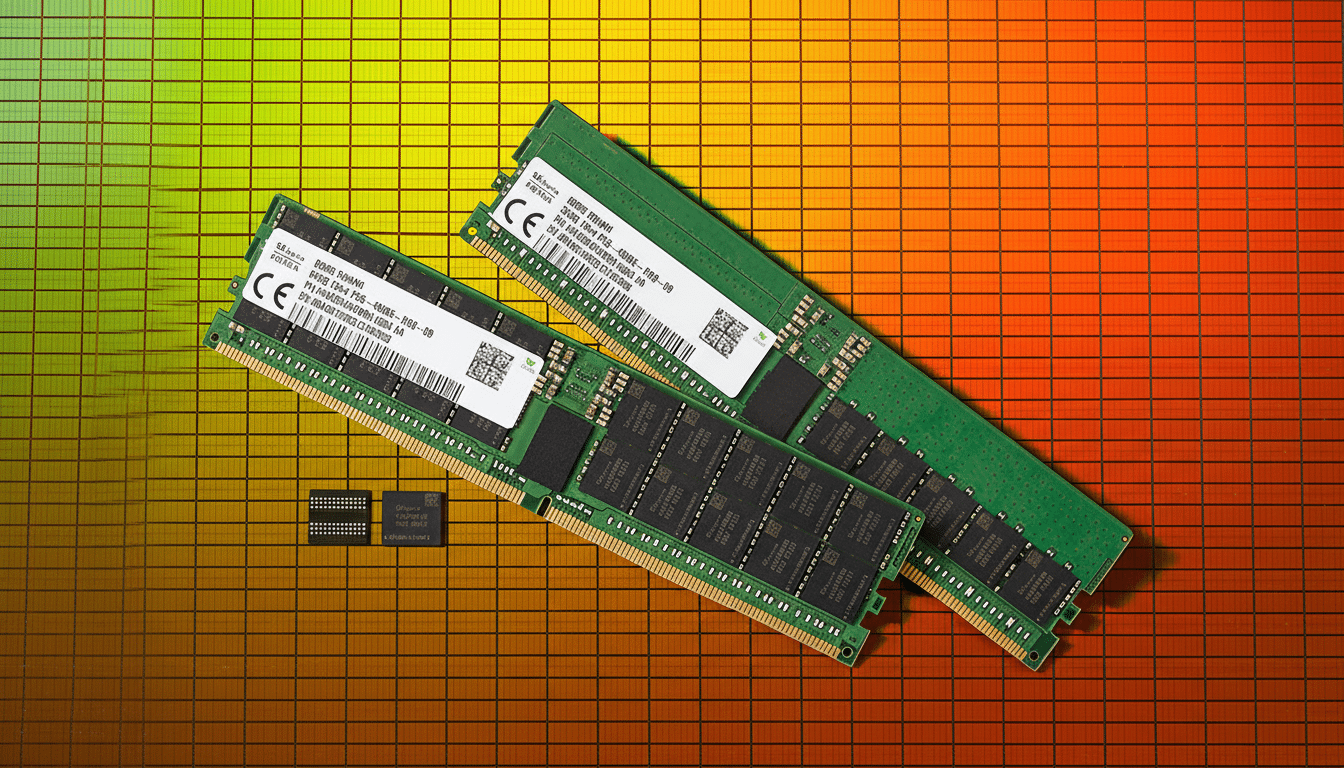
How Memory Costs Came to Be Overinflated
The economic background is straightforward: AI has transformed the memory market. Major suppliers like SK hynix, Samsung, and Micron have been focusing on high-bandwidth memory (HBM) for AI accelerators and low-power DRAM for mobile and data center markets, squeezing supplies of desktop DDR5.
TrendForce has recorded numerous quarters of double-digit DRAM contract price hikes, with DDR5 being one of the fastest risers as capacity shifts over to HBM.
At retail, popular 32GB DDR5 kits that were available for around $100 during the previous glut are now more commonly listed north of $300 if market information from major US and UK internet retailers and community price trackers is accurate.
This dislocation between demand and supply provides opportunities for grey-market arbitrage. Earlier this year, for example, Framework Computer temporarily pulled DDR5 modules from sale in its store due to scalping fears — a reminder that even legitimate channels are grappling with perverted resale incentives.
Tiny Size, Big Resale Value, Huge Target
Thieves are generally in business with RAM. It’s compact, unobtrusive, and fetches strong prices on the secondary market. Whereas graphics cards or CPUs are large enough to be slipped into a back pocket and cause heads to swivel, a couple of DIMMs can fit in a big handbag and be lifted without hesitation with reduced amounts of trace checking.
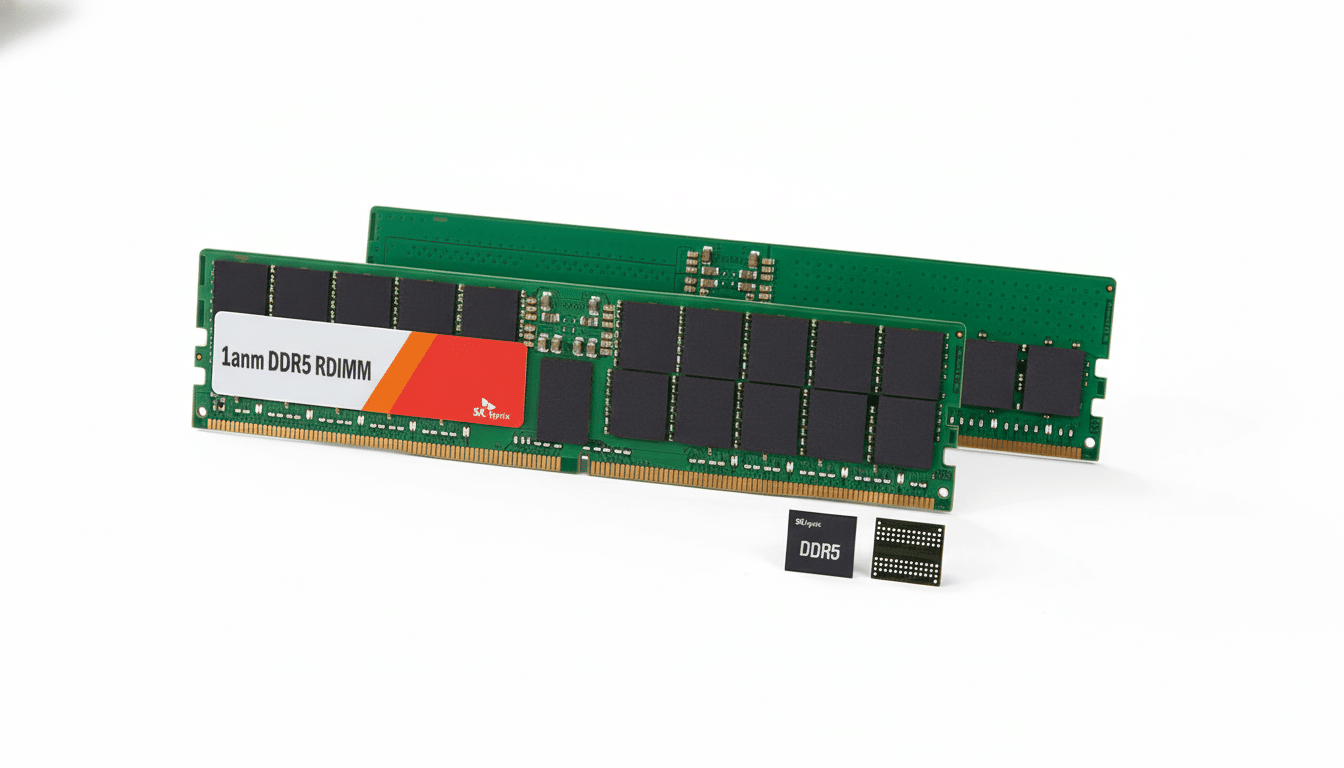
Package theft has been a problem en masse for years — consumer surveys by SafeWise and Security.org estimate that millions of American households experience porch piracy annually. But with high street value and small form factor, RAM now sits in the same risk category as smartphones, smartwatches, and small pro camera gear for last-mile theft — or sneaky box swaps.
Logistics vulnerabilities compound the issue. RAM usually arrives in padded mailers or slim boxes that can be resealed. One “broken” scan (especially in the middle of the night during a cross-docking operation or when you’re handing off from a national post to a regional courier) and recovery without an audit trail becomes challenging unless every step along that chain keeps strict proof-of-delivery protocols.
Retailers and Couriers Tighten the Chain
Merchants are quietly adjusting. Some component retailers were starting to build signature-on-delivery by default/via push as well as auto-routing to lockers/staffed pickup points for high-value baskets. Certain marketplaces are requesting that sellers use tamper-evident seals and photo confirmation at drop-off — a practice that has already cut claims in categories like phones and luxury cosmetics.
Carriers, meanwhile, are advising shippers to utilize neutral, no-logo packaging to discourage product-specific targeting. In the UK, industry bodies have lobbied for more traceable scan trails when parcels pass between national services and private partners. And in the United States, retailers are still experimenting with offering both in-store pickup and curbside handoff for small but high-value tech objects to try to minimize losses.
Reducing Risk as a Buyer of RAM Right Now
- Request signature-on-delivery or delivery to a locker or staffed pickup counter when you’re ordering RAM and other small but high-value components. It’s additional friction for thieves, and it discourages the “driver discretion” deliveries you get at odd hours.
- Ask the seller to ship in nondescript packaging and to seal it with tamper-evident tape. When items arrive, unbox them and keep the label and the inner package/foam with their serial numbers. That documentation bolsters claims with marketplaces and payment providers if anything goes awry.
- Monitor shipments closely and step in quickly. If a package shows odd routing, late-night or far-from-your-area scans, or a “delivered” scan you don’t recognize, contact the carrier and seller ASAP and file supporting documentation while the data is fresh — your GPS-verified presence where it went “delivered” helps.
- Pay a little extra for first-party or authorized sellers or suppliers with tighter chain-of-custody controls. With resale values premiumized and RAM prices up, there’s never been more reason to buy that way.
Memory is not just a spec-sheet upgrade until supply normalizes and pricing recedes — it’s an attractive target now. Treat it accordingly.
