


Many people assume that training results depend solely on workouts and discipline. In reality, your gut microbiome quietly plays a crucial role in motivation, energy, metabolism, and recovery. The trillions of bacteria living in your digestive system influence hormone signaling, neurotransmitter production, and inflammation levels — all of which affect how your body responds to exercise.
A healthy gut is not just about digestion; it’s about supporting the communication network between your gut, brain, and endocrine system, which underpins performance, recovery, and overall vitality.
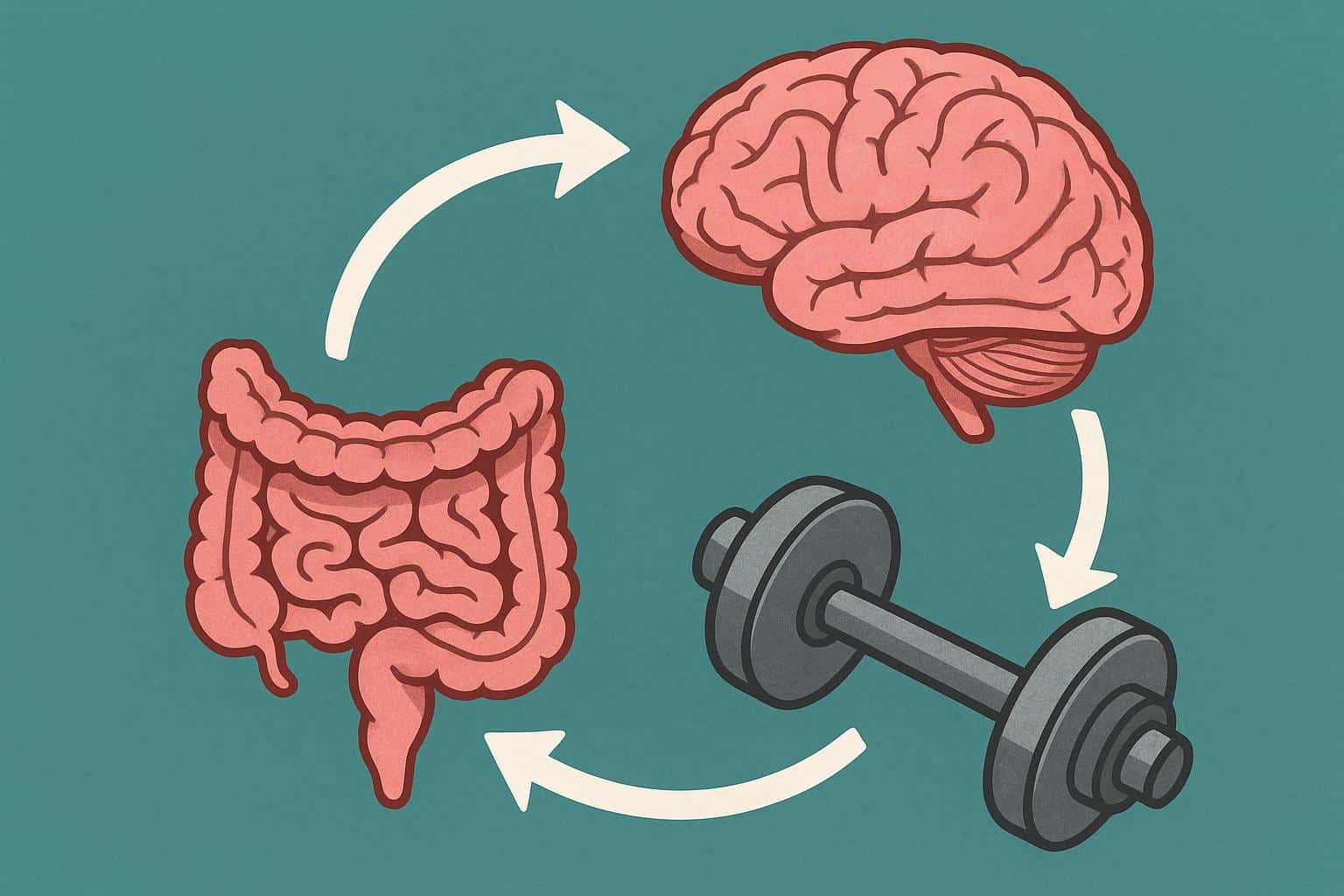
How Gut Health Influences Motivation and Training Results
Gut bacteria help regulate a range of processes that directly impact fitness outcomes:
- Neurotransmitter production: The gut produces serotonin and other neurotransmitters that influence mood, motivation, and drive
- Inflammation control: Balanced microbiota help prevent chronic inflammation that can slow muscle recovery
- Energy and insulin regulation: A healthy gut stabilizes blood sugar, supporting sustained energy during workouts
- Nutrient absorption: Efficient digestion ensures your muscles get the proteins, amino acids, and micronutrients needed for repair
- Stress hormone regulation: Proper gut function supports hormonal balance that affects endurance, focus, and resilience
When gut balance is disrupted, cravings increase, motivation drops, and fatigue becomes more pronounced. Poor nutrition or irregular eating habits can amplify these effects, making training feel harder and results slower to achieve.
Symptoms of Gut-Related Hormonal and Energy Imbalance
Indicators that gut health may be impacting your hormones and performance include:
- Increased cravings for sugar or highly processed foods
- Frequent bloating or digestive discomfort
- Slower recovery following exercise
- Mood swings or reduced training motivation
- Fluctuating energy levels throughout the day
These signs highlight the intimate connection between digestive health, hormonal signaling, and overall fitness performance.
Supporting Hormonal Balance Through the Microbiome
Supporting microbiome health strengthens communication between the gut, brain, and endocrine system. This coordination helps regulate hormones responsible for:
- Muscle growth and repair
- Metabolic efficiency
- Recovery from training
When gut health is paired with professional hormonal support, such as hgh for men, improvements in strength, endurance, and overall vitality may become more noticeable.
Habits That Strengthen the Microbiome and Hormonal Health
Small, consistent lifestyle adjustments can enhance gut function and hormonal balance:
- Eat fiber-rich foods: Include vegetables, fruits, and whole grains to feed beneficial bacteria
- Include fermented foods: Yogurt, kefir, sauerkraut, and other fermented options support microbiome diversity
- Maintain consistent protein intake: Supports both muscle repair and gut health
- Stay hydrated: Adequate water intake improves digestion and nutrient absorption
- Manage stress: Daily stress management reduces negative impacts on gut bacteria and supports hormonal balance
By combining these habits with structured training and proper recovery, the gut-brain-hormone connection becomes a powerful tool for improved fitness outcomes.
Conclusion
Your gut microbiome plays a critical, often overlooked role in motivation, cravings, energy, and recovery. Supporting digestive health strengthens the pathways that regulate hormones, neurotransmitters, and inflammation — all of which are essential for optimal training results.
When these habits are combined with professional interventions like hgh for men, men can experience enhanced strength, faster recovery, steadier energy, and improved overall vitality, turning everyday nutrition and gut care into a foundational element of fitness success.
