


Green Day took the Super Bowl pre-kickoff stage and did the most surprising thing possible for rock’s perennial agitators: they kept the politics out. The trio powered through a tight, high-energy set capped by “American Idiot” and, in a notable departure from recent tours, avoided the pointed anti-Trump and anti-ICE barbs many expected on America’s biggest broadcast.
In club and festival sets over the past few years, Billie Joe Armstrong has often ad-libbed a swipe at the “MAGA agenda” during “American Idiot.” At the Super Bowl, that flourish never came. Instead, the band delivered a brisk, hook-forward performance that favored singalong momentum over message—an intentional choice on a platform where even minor provocations can dominate postgame headlines.
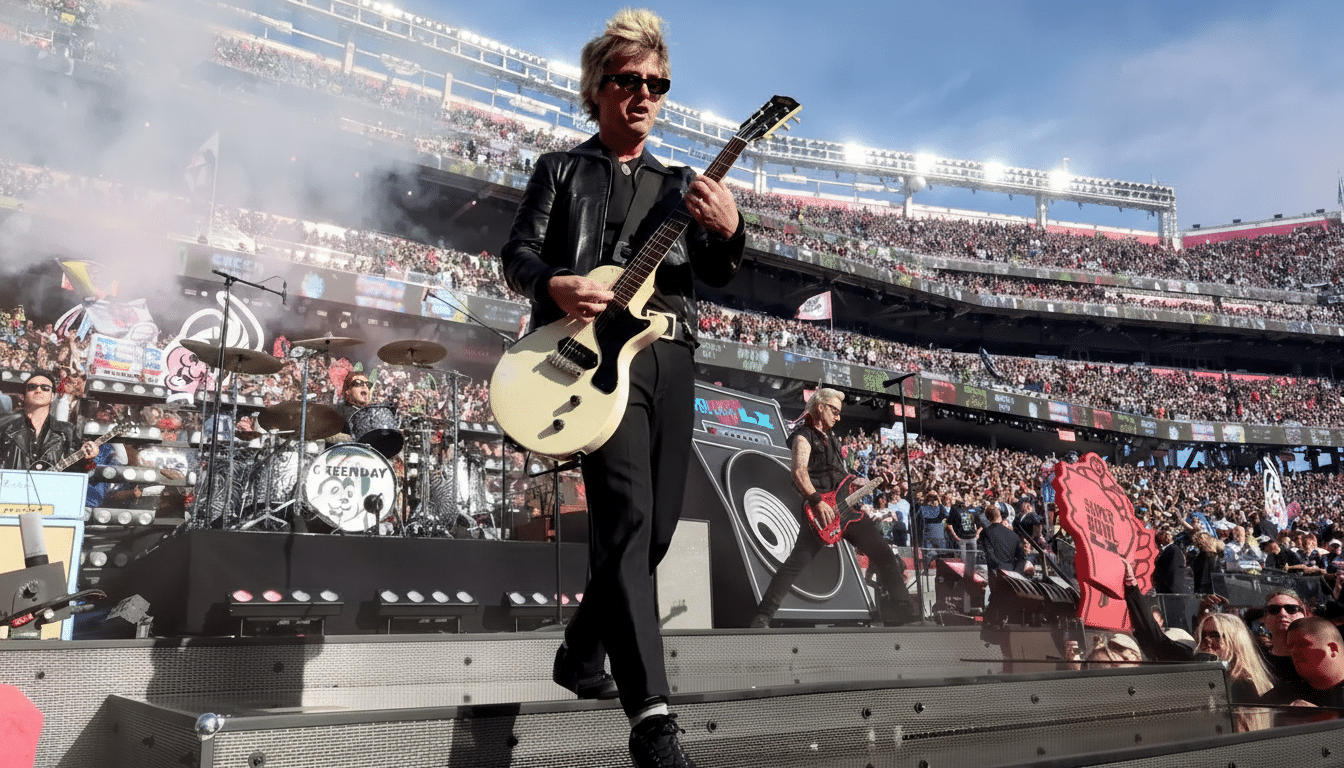
Why The Super Bowl Stage Changes The Calculus For Acts
The Super Bowl isn’t just a concert; it’s a corporate and cultural crossroads. Nielsen reported last year’s game averaged more than 120 million viewers across platforms, a scale that pushes performers into the living rooms of casual fans and brand partners alike. With 30-second ads priced around $7 million according to trade outlets, the NFL and its broadcasters are famously protective of tone and optics.
That context helps explain Green Day’s restraint. League events are heavily scripted, and while artists retain creative identity, the guardrails are real—standards-and-practices reviews, live-delay contingencies, and a risk calculus shaped by past broadcast flare-ups. Overt political speech at the Super Bowl is rare; when it happens, it tends to be coded or blink-and-you-missed-it subtle.
A Calculated Setlist Shift To Fit The Moment
Green Day’s set leaned on velocity and familiarity. “American Idiot,” a song that once skewered post-9/11 media hysteria and later became a shorthand for anti-establishment critique, was rendered as a clean, radio-tight sprint. The band skipped their recent anti-MAGA ad-libs and any explicit references to immigration enforcement—an issue they’ve criticized from the stage and in interviews—keeping the focus on riffs, not rhetoric.
Sonically, it worked. Super Bowl mixes can punish nuance, rewarding acts that deliver crisp choruses and clear dynamics. By foregrounding tempo and melody, Green Day ensured the hook landed in noisy viewing environments—from bar TVs to living rooms—without risking a broadcast timeout or social-media fire drill.
A Band With Protest In Its DNA And History
The decision to dial it back is striking precisely because Green Day’s protest bona fides are well established. The 2004 “American Idiot” album was a Bush-era broadside that evolved into a Tony-winning stage musical. In 2016, the band led a nationally televised chant of “No Trump, no KKK, no fascist USA” at the American Music Awards. In recent tours, Armstrong has repeatedly torqued lyrics to skewer the MAGA movement and called out harsh immigration policies.
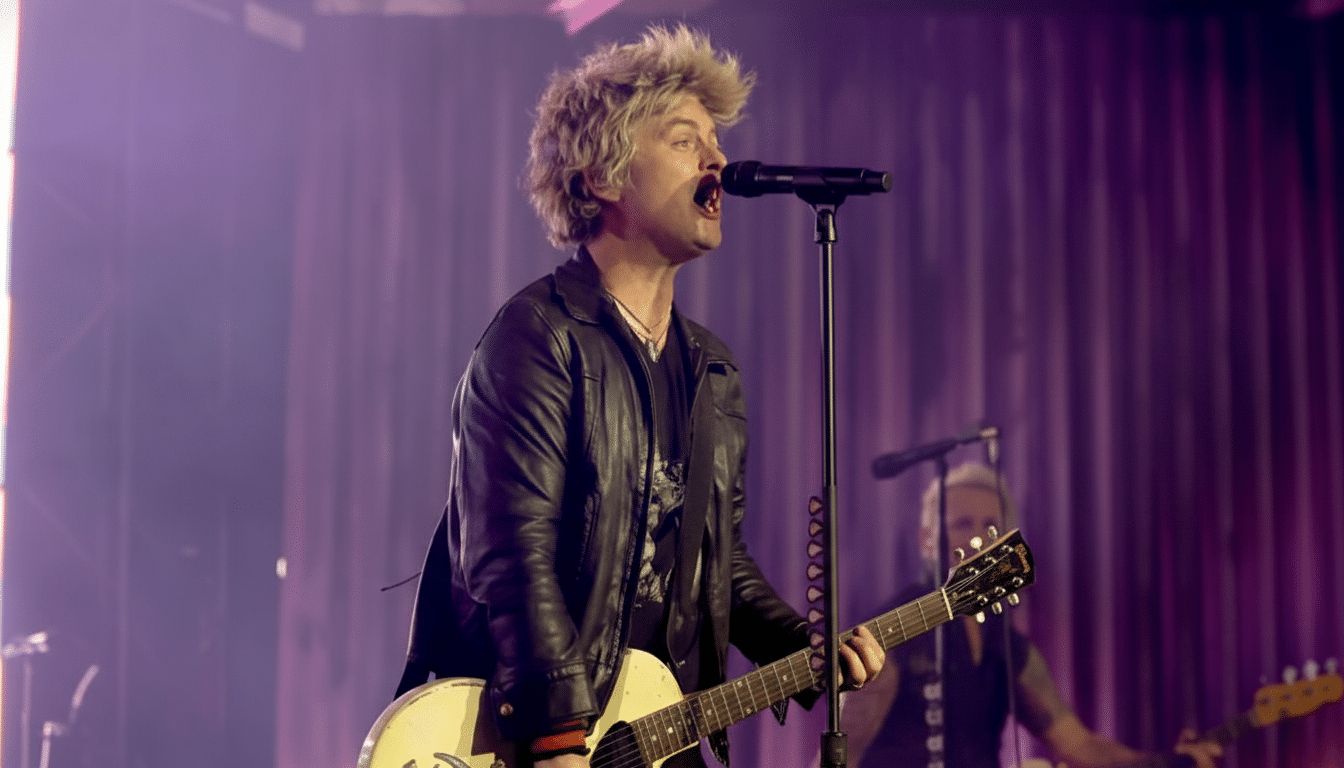
That history is why many fans braced for a thunderbolt on the Super Bowl stage. Instead, Green Day opted for a different kind of statement: letting decades of context do the talking while the performance stayed inside the broadcast rails.
Fan Reaction And The Business Reality Behind It
Early social chatter split along familiar lines. Some praised the band for reading the room and delivering pure entertainment; others wondered if a moment was missed. That ambivalence mirrors broader audience research: polling from firms like Morning Consult and YouGov has repeatedly found many NFL viewers prefer game-day shows to be family-friendly and apolitical, even as a sizable minority welcomes bolder statements.
There’s also the post-Super Bowl halo to consider. Luminate has documented consistent double- and triple-digit catalog bumps for artists tied to the game. A muscular, accessible rendition of “American Idiot” on broadcast TV can translate into playlist placement, new listeners, and a fresh streaming surge—dividends that may outlast a fleeting viral controversy.
What Their Choice Signals About Strategy Today
Green Day didn’t abandon their politics; they air-gapped them from a uniquely high-stakes show. In doing so, the band threaded a modern pop-protest needle: preserve the art’s subversive pedigree while avoiding the kinds of Super Bowl flashpoints that swallow performances whole.
The result was paradoxical but effective. By not saying the loud part out loud, Green Day reminded a massive, mixed audience why the song became an anthem in the first place—and proved that sometimes the most unexpected move is restraint.
