


Gradient is adding a software layer to its sill-mounted heat pumps to make electrification viable in older, hard-to-upgrade buildings. The update centers on smarter controls, load management, and building-level oversight—features aimed squarely at prewar apartments, dorms, and affordable housing where steam radiators and single electric meters still dominate.
The pitch is simple but consequential: retrofit units in hours, not days, without panel upgrades, while giving managers the tools to curb waste and protect comfort. In cities where buildings drive most emissions—New York City attributes roughly two-thirds of its greenhouse gases to buildings—unlocking these retrofits is a climate and public health imperative.
- What Gradient Is Rolling Out for Older Building Retrofits
- Why Old Buildings Are Hard to Electrify and Cool
- Early Deployments and Results in Real Buildings
- Smarter Loads and the Grid: Demand Response Readiness
- Costs, Incentives, and Competition in Heat Pump Retrofits
- What Comes Next for Gradient’s Building-Scale Strategy
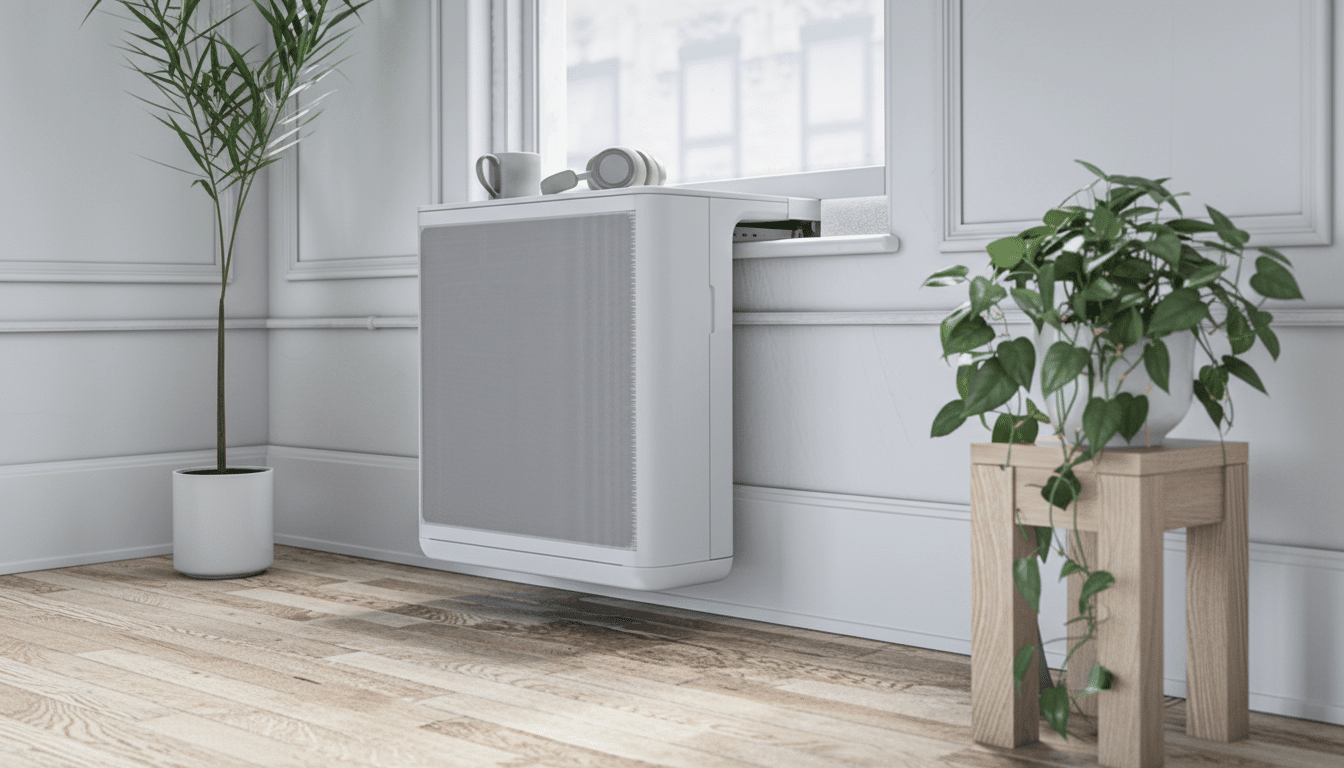
What Gradient Is Rolling Out for Older Building Retrofits
The company’s new control platform, Nexus, brings fleet management to windowsill heat pumps. It lets property managers set temperature ranges, schedule operation, and create building-wide rules—crucial for master-metered properties where a handful of residents can spike usage for everyone.
In one deployment, a manager capped heating setpoints at 78°F. The result: energy consumption fell about 25% the next day without a wave of comfort complaints, according to the company. Guardrails like these turn broad “use less” pleas into enforceable, data-driven policies.
Nexus also addresses an overlooked barrier in older buildings: brittle wiring and limited circuits. The platform can throttle amperage to keep loads below troublesome thresholds—helpful where a 12-amp continuous draw would trip breakers. By sticking to a standard outlet and a sill-mount form factor that leaves the window usable, installations can be completed room by room with minimal disruption.
Why Old Buildings Are Hard to Electrify and Cool
Legacy hydronic systems offer poor zone control, and the “too hot in winter, too warm in fall” problem is real in steam-heated walk-ups and aging dorms. Many of these buildings are master-metered, encouraging overcooling or overheating because individual tenants don’t see the marginal cost. Replacing boilers or adding traditional minisplits often requires new electrical service, exterior penetrations, and permits—time, money, and logistics many owners don’t have.
Heat pumps, however, are inherently efficient. The U.S. Department of Energy notes that modern heat pumps can deliver 2–4 units of heat for every unit of electricity under typical conditions, far outperforming electric resistance. With space conditioning accounting for roughly 43% of residential energy use in the U.S., according to the Energy Information Administration, smarter heat pumps are a high-leverage climate upgrade.
Early Deployments and Results in Real Buildings
Gradient has installed units with the New York City Housing Authority and completed a pilot at an affordable complex in Tracy, California. The company is also in discussions with colleges and universities, where many residence halls were never designed for late-summer heat but face rising cooling demand as heat waves intensify.
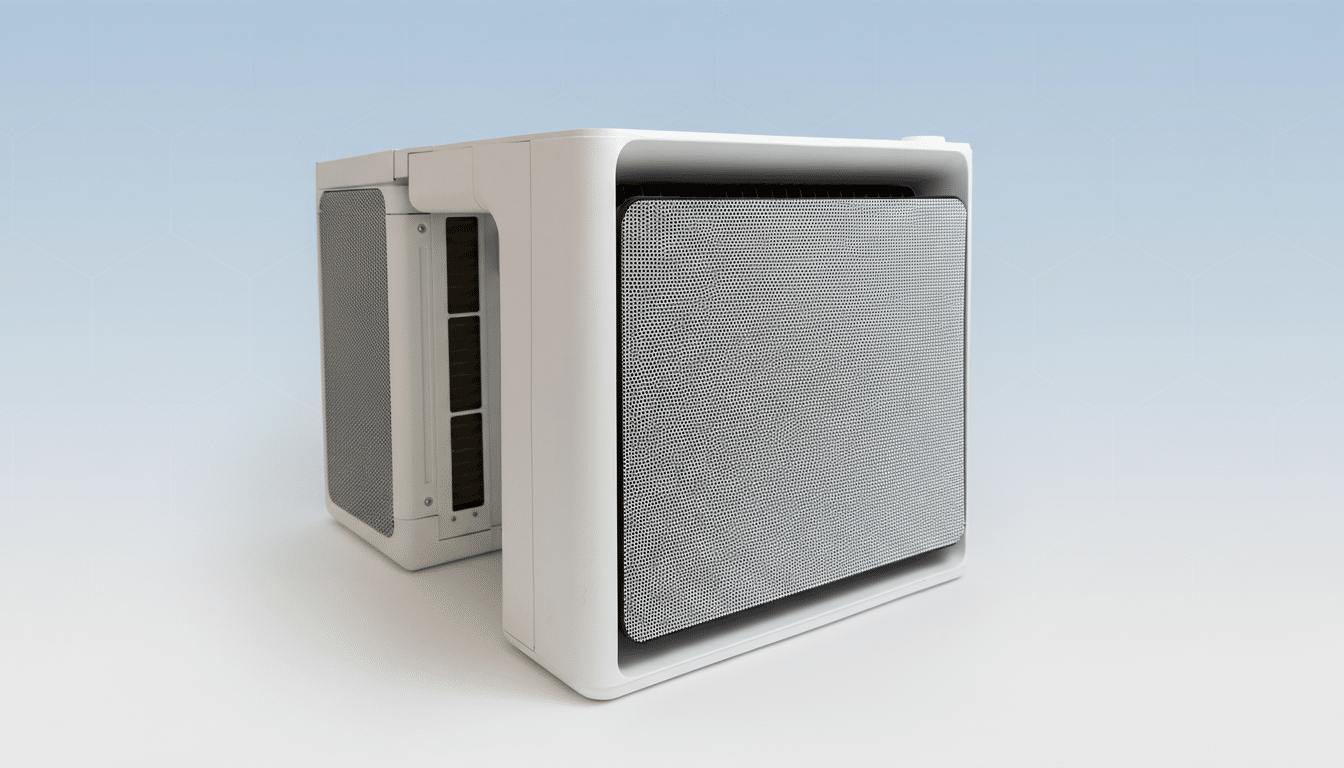
Residents who previously relied on steam radiators gain air conditioning without window views blocked by bulky ACs. For managers, the software layer means centralized visibility and the ability to enforce equitable, comfort-focused setpoints across hundreds of rooms—useful for meeting internal policies and local emissions rules without micromanaging every unit.
Smarter Loads and the Grid: Demand Response Readiness
Beyond building walls, Gradient is preparing its heat pumps for demand response. By combining onboard sensors with information about building orientation and shading, Nexus can identify which rooms can dial back cooling or heating during grid stress while keeping occupants comfortable. This type of “flexible load” is exactly what grid planners want from electrification.
Research from the National Renewable Energy Laboratory suggests flexible demand could cut system peaks by double digits in some regions, potentially up to 20% with widespread adoption. Coupled with time-of-use rates and utility programs in markets like California and New York, smarter heat pumps can reduce peak strain and integrate more renewables without costly infrastructure upgrades.
Costs, Incentives, and Competition in Heat Pump Retrofits
Gradient positions its sill-mounted system as the lowest-cost path for buildings with boilers nearing end of life—a frequent scenario in older multifamily stock. Unlike minisplits, there’s no outdoor condenser to site, no refrigerant lines snaked across facades, and less permitting risk. That keeps installation timelines predictable, a priority for owners managing occupied buildings.
Incentives help. Heat pump rebates authorized under the Inflation Reduction Act, plus state programs from agencies like NYSERDA and utility offerings from companies such as Con Edison, can defray upfront costs. For affordable housing providers and public agencies, stacking incentives with operational savings from software controls strengthens the business case.
What Comes Next for Gradient’s Building-Scale Strategy
Key questions now move from concept to execution: performance in colder climates without auxiliary resistance heat, integrations with existing building management systems from Siemens, Johnson Controls, or Schneider Electric, and standardized demand-response participation through OpenADR or similar protocols. Measurement and verification will matter, as will tenant privacy safeguards for sensor data.
If Gradient can deliver on low-friction installs and software-enabled savings at scale, it could make retrofits practical for the very buildings that have resisted them—bringing efficient heating and cooling, and a more flexible grid, within reach of older housing stock.
