


Five weeks living with Google’s Gemini-powered health coach inside the Fitbit app have proven that — despite some flaws — this is the most capable automated fitness coach I’ve used. It kept me honest throughout a hectic holiday season, adjusted to erratic schedules in real time, and transformed my wearable data into plans that I actually stuck to.
How Google’s AI Coach Works Inside the Fitbit App
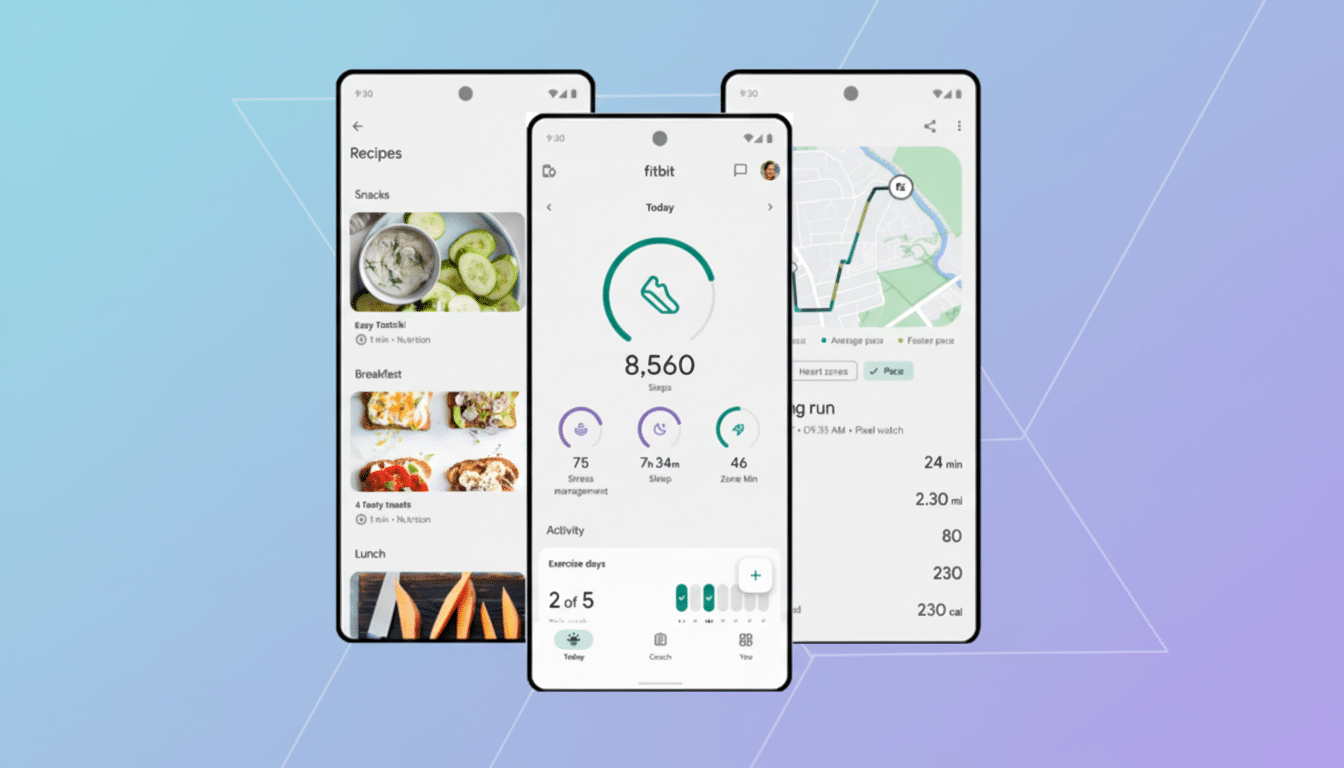
Powered by Gemini and accessed via the Fitbit app, the coach is a conversation system that takes in your workout history, sleep patterns, and signals of recovery to inform its weekly plan. It’s in public preview for Fitbit Premium members ($9.99/month) on-device, and right now it is only available in the US in English for adults, with iOS support to follow and a broader launch coming soon.
- How Google’s AI Coach Works Inside the Fitbit App
- Actual Results After Five Weeks of Testing
- Where Google’s AI Coach Still Needs Work and Polish
- How Google’s AI Health Coach Compares to Rivals
- Why This Matters for Adherence and Public Health
- Privacy and Preview Caveats for Google’s AI Coach
- Bottom Line: A Promising Coach With Fixable Quirks
You’re going to need a Fitbit that supports Cardio Load, or a Pixel Watch. Compatible devices include:
Setup begins with a swift interview: goals, gear, constraints, and all that jazz — and you can always hop on an Ask Coach call to reschedule or swap a workout, or inquire why your preparedness plummeted.
The system hinges on two main metrics: Daily Readiness — how hard to push, based on recovery — and Cardio Load (aggregate strain). Whereas Fitbit framed it as such and kept the Cardio Load in place, Google instead sets your Cardio Load as a weekly target, then makes adjustments from day to day. It can draw from a library of 700+ movements, and in most cases it can send guided runs straight to your watch so you receive live pacing or heart-rate prompts.
Actual Results After Five Weeks of Testing
The coach suggested four one-hour sessions a week, in addition to my two trainer days, and designed the plan based on the gear I really have at home. It posted a suggested plan every Saturday; I could respond instantly, in seconds (no excuses), with conflicts: going away, bad weather, or soreness. That flexibility was the key — I went from attending two instructor-led sessions to completing most of the four scheduled workouts.
During the test, I kept hitting the Cardio Load target most weeks and saw Daily Readiness trend upwards. When a winter storm ruined my sleep over Thanksgiving, the coach saw an increased resting heart rate and bad sleep rate metrics — and adjusted my long run to be a recovery walk instead. That “something is better than nothing” change reignited momentum rather than derailing the week.
Where Google’s AI Coach Still Needs Work and Polish
There are rough edges. Some notifications deep-link to the wrong screen. The app does not allow every workout type to be sent back and forth between it and the watch. Some strength and flexibility sessions fell short of the time goal, necessitating extra sets to flesh out the plan. HR-based runs can set off frequent chimes if you’re hovering around the target zone. And the coaching voice is unrelentingly upbeat — even when a little feedback, a form tip, would be helpful.
The largest hole is a lack of integration with content. When the coach recommended a 25-minute yoga flow, it provided no direction and returned to bodyweight cardio when I requested guidance. Between Fitbit’s own video library and Google’s ownership of YouTube, rolling out convenient access to authentic guided sessions ought to be a layup.
How Google’s AI Health Coach Compares to Rivals
Running Coach and Sleep Coach are made possible by Galaxy AI on recent Galaxy Watches from Samsung. The running plans are sound and event-based, while the sleep advice is a touch more prescriptive than Google’s early bedtime guidance. Apple’s Workout Buddy offers simple motivation and regular stat peeks across additional types of activity, but it isn’t generative or plan-based.
Garmin and Polar both do well with long-horizon training periodization, but their plans feel more rule-based and less like a chat between pals. General-purpose AIs can write workouts, but they don’t combine real-time readiness and strain and sleep data from your wrist with real-time planning in the same way that Google’s integrated approach does.
Why This Matters for Adherence and Public Health
The World Health Organization says about 1 in 4 adults worldwide, and more than three-quarters of adolescents, are not active enough. It projects at least hundreds of millions of new cases of preventable disease tied to inactivity this decade alone.
The Centers for Disease Control and Prevention (CDC) and the American College of Sports Medicine (ACSM) both recommend at least 150 min/week of moderate-intensity activity; however, adherence to these programs is frequently ~50%, which has been empirically tracked as low as six months later. In this case, micro-adjustments and little nudges aren’t petty — they mean the difference between staying on plan and falling off altogether.
Google’s coach works by reducing friction. Plans update automatically, trade-offs are argued out in plain English, and measurements translate into clear decisions: push on here, hold the line there, recover lost ground somewhere else. It’s that combination of customization and responsiveness that many fitness apps have promised but seldom provided.
Privacy and Preview Caveats for Google’s AI Coach
It won’t work unless you give the coach access to your health data, and there’s an optional toggle for allowing anonymized usage in research. Sleep features are still in formation; Google has indicated that forthcoming features include recognizing naps and restful periods during the day, as well as providing more actionable sleep advice. iOS availability will come after the Android preview.
Bottom Line: A Promising Coach With Fixable Quirks
Google’s AI health coach is on the morning train outta here, even in preview. It plans intelligently, and it adjusts nimbly, and — most critical of all! — gets you there. The quirks around content and notifications are true, but solvable. If you already use a Fitbit or Pixel Watch and crave an automated coach that acts like your data is a living training plan, this is the one to beat.
