


Google is reportedly trialing a new biometric system called Project Toscana that aims to deliver true Face ID‑style authentication to Pixel phones, with early testing said to match Apple’s speed and unlock reliably in low light. The effort, detailed by Android Authority via internal sources, is also being evaluated on Chromebooks, suggesting a broader push to unify secure face authentication across Google’s hardware.
A Longstanding Pixel Pain Point: Face Unlock in Low Light
Face unlock has been a moving target for Pixel. The Pixel 4 introduced a sophisticated array with IR sensors and radar, then Google pivoted away from that hardware. Later models leaned on camera‑only face unlock enhanced by machine learning, which worked quickly in good light but could stumble in dim scenes. With the Pixel 8, Google achieved the “Class 3” strong biometric tier required for payments and banking apps, per Android Developers guidance, yet low‑light consistency remained a common user complaint.
- A Longstanding Pixel Pain Point: Face Unlock in Low Light
- What Project Toscana Likely Adds to Secure Face Unlock
- Speed and Security Benchmarks for Face ID–Class Unlock
- Design Trade-Offs for Upcoming Pixels with IR Depth
- Chromebooks and Passkeys in the Mix for Toscana and ChromeOS
- What to Watch Next as Project Toscana Testing Progresses
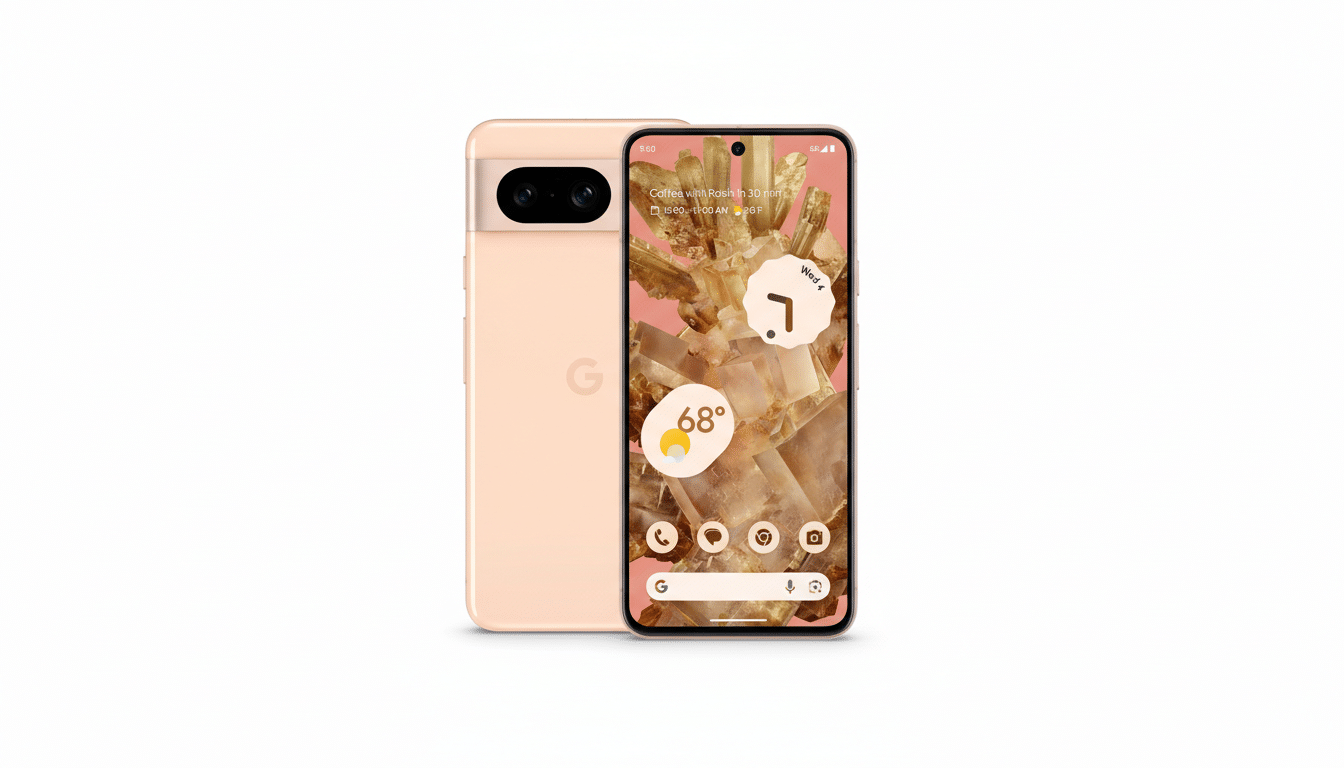
If Toscana delivers the low‑light reliability and spoof resistance of a 3D IR system, it would close one of the last daily‑use gaps between Pixel and Apple’s flagship authentication experience. That matters as Pixel adoption grows; Canalys has noted record Pixel shipments in recent cycles, and reliable biometrics are a core expectation for premium buyers.
What Project Toscana Likely Adds to Secure Face Unlock
While Google hasn’t detailed Toscana publicly, the description aligns with a structured‑light or time‑of‑flight IR setup: a flood illuminator to light the face, an IR camera to read it, and a projector to map depth. This is the recipe that enables fast, secure unlock in darkness and better resistance to photos or masks than 2D camera systems.
On the silicon side, Google’s Tensor platform already runs on‑device ML for imaging and voice. Pairing Toscana’s depth data with the Titan M2 security chip to store encrypted templates would fit Google’s existing approach to sensitive credentials. Android’s biometric stack also supports liveness detection and anti‑spoofing requirements for Class 3, paving the way for payments, password managers, and enterprise SSO with face unlock.
Speed and Security Benchmarks for Face ID–Class Unlock
Sources familiar with testing claim Toscana’s unlock speed is on par with Apple’s implementation. Apple publicly cites a false accept rate of roughly 1 in 1,000,000 for Face ID, a high bar that’s become the de facto benchmark for premium phones. Independent evaluations such as NIST’s Face Recognition Vendor Test have consistently shown that IR‑based 3D approaches outperform RGB‑camera methods in challenging lighting and pose variation, which tracks with the reported low‑light gains.
The nuanced test is consistency, not just peak speed. A system that unlocks in a dim rideshare or at a bedside angle without nudging users toward a PIN materially changes daily friction. If Toscana sustains Class 3 reliability across varied conditions, it could finally make face unlock the default on Pixel, with fingerprint as a backup—not the other way around.
Design Trade-Offs for Upcoming Pixels with IR Depth
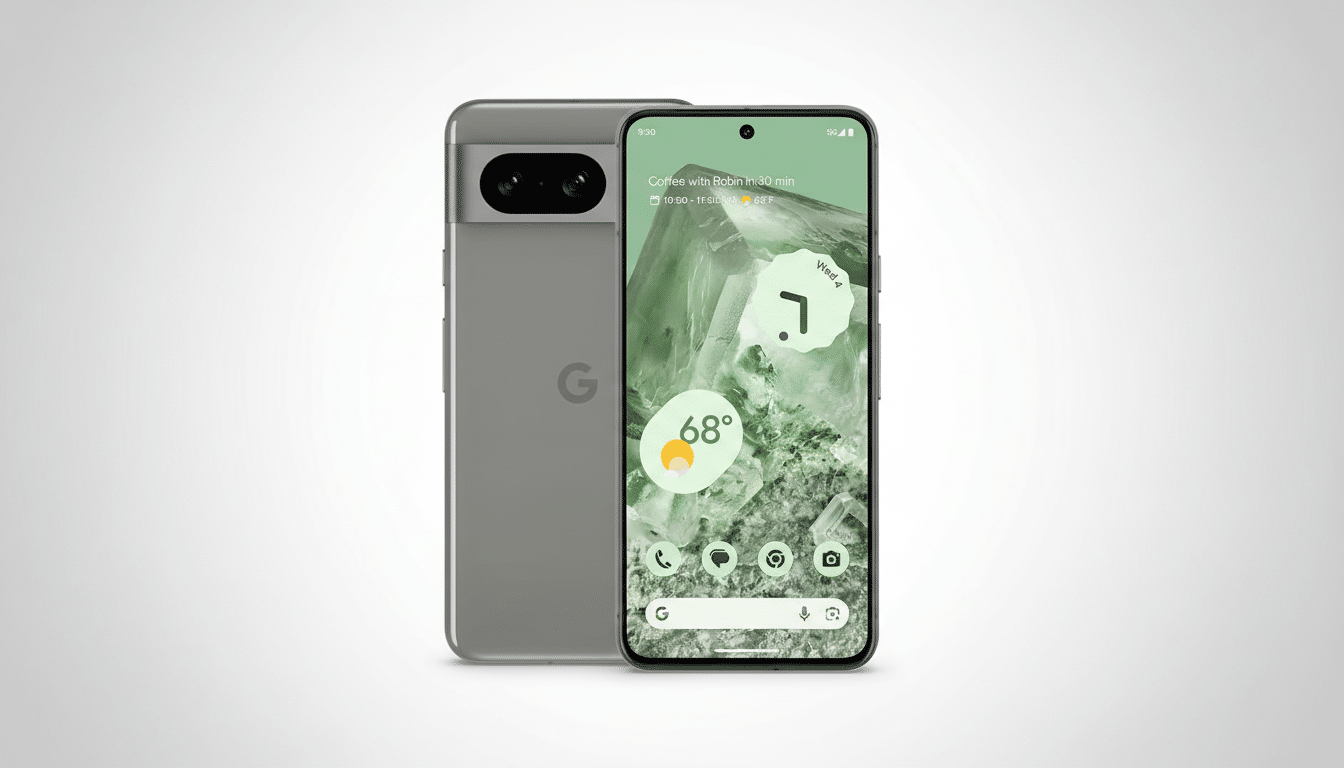
Advanced IR hardware needs space. Apple’s TrueDepth stack shaped the iPhone notch for years before shrinking. Google must decide whether Toscana lives within a hole‑punch, moves to a pill‑shaped cutout, or requires a slightly taller sensor island. That choice has ripple effects for display suppliers, bezel symmetry, and front‑camera optics.
Android Authority’s reporting suggests the earliest landing spot could be the next flagship generation. Budget lines, like the expected 10a, are unlikely candidates due to cost and component constraints. If Toscana ships with the next mainline Pixel, it would mark a return to dedicated depth sensing not seen since the Pixel 4—ideally with the staying power that earlier attempts lacked.
Chromebooks and Passkeys in the Mix for Toscana and ChromeOS
Toscana testing on Chromebooks hints at a broader security roadmap. ChromeOS already supports FIDO2 and passkeys, and strong on‑device face authentication could streamline logins for schools and businesses without external keys. A consistent face unlock stack across Pixel and ChromeOS would also strengthen cross‑device unlock and autofill experiences within the Google ecosystem.
For developers, stable, strong‑tier face authentication expands what’s possible in finance, health, and work apps. With a uniform biometric capability, fewer apps would need to fall back to passwords or mandate fingerprint only, improving both security posture and user experience.
What to Watch Next as Project Toscana Testing Progresses
Google has not announced Toscana or confirmed timelines. Look for hints in supply chain chatter about IR components, Android beta notes referencing new biometric APIs or calibration flows, and carrier certifications that often precede hardware launches. If performance matches the early reports, Toscana could be the most user‑visible Pixel upgrade in years.
The takeaway is straightforward: by pairing dedicated IR depth sensing with Google’s ML and security architecture, Project Toscana could finally give Pixel owners a Face ID‑class experience that works fast, works in the dark, and works for the things that matter—payments, banking, and identity‑critical apps.
