


Google is taking its first real steps from prototypes toward a full-fledged product with the new version of its smart glasses, the Google Glass Enterprise Edition 2.
In doing so, the company is changing how it has positioned the device over the last two years.
- What Google is building for its next-generation smart glasses
- Android XR and the broader software stack behind the glasses
- Design choices and retail strategy for mainstream adoption
- Competition and market context for consumer smart glasses
- Technical hurdles to watch as Google readies AI eyewear
- Everyday use cases that could make smart glasses essential
- What will determine success for Google’s first AI glasses
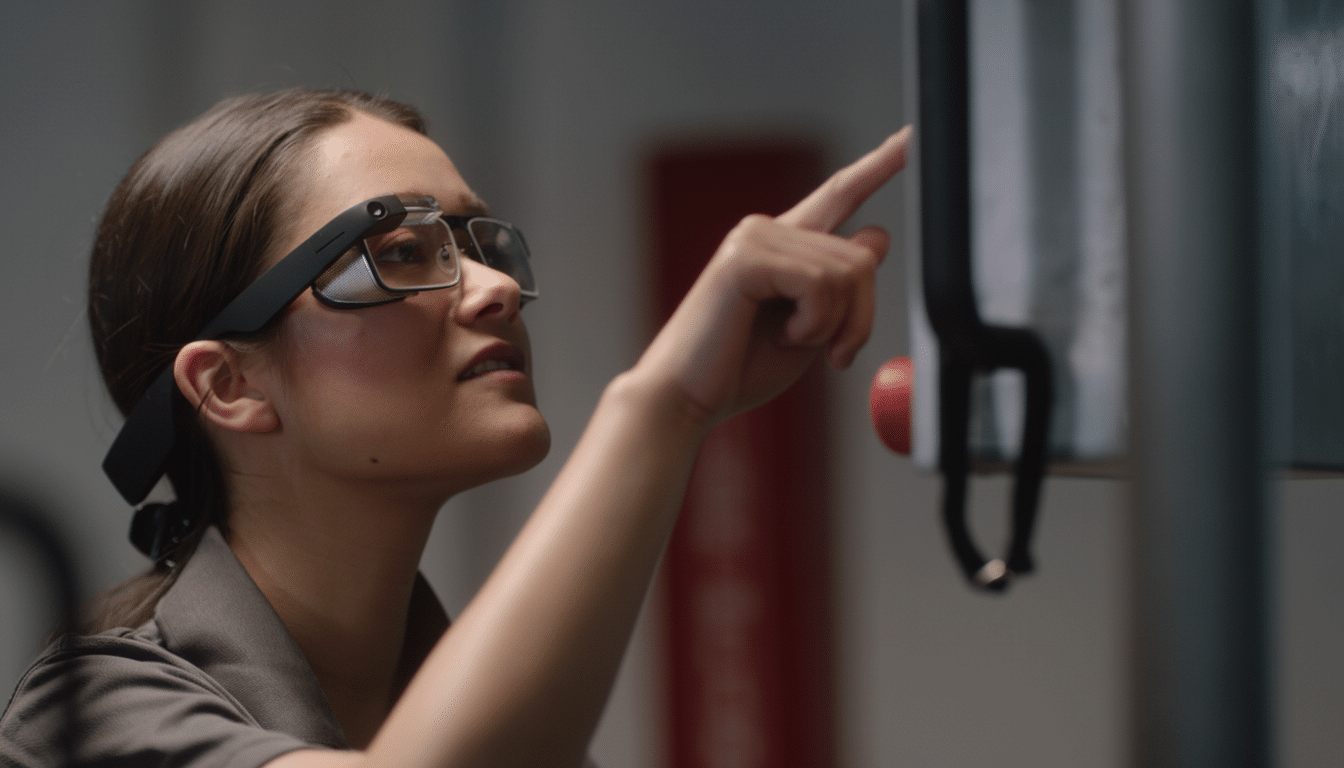
The venture pairs Google’s Gemini assistant with a more traditional eyewear form factor, bringing together voice-first AI and glanceable visuals with a retail approach based on known fashion partners.
What Google is building for its next-generation smart glasses
Google has outlined two approaches. One is a screenless device that leverages microphones, speakers, and cameras to offer hands-free interactions: quick photo capture, contextual answers from Gemini, and voice-based tasks without the bother of pulling out your phone. The second introduces an in-lens display that is visible only to the wearer, letting users see gentle overlays, information such as turn-by-turn directions, live captions, and just-in-time prompts.
The company has emphasized fit, comfort, and style as table stakes. That means the electronics have to vanish into frames people already want to wear, rather than asking users to put up with a sci-fi headset. The message from Google is clear: AI belongs in stuff that feels like real life, not gimmicky gadgets.
Android XR and the broader software stack behind the glasses
And the glasses will be part of Google’s growing Android XR ecosystem, which is powered by the same software foundation that other AR device makers, like Samsung, use for the Galaxy XR headset. That consistency is significant: developers have a common platform to target, and users get consistent sign-ins, apps, and updates. Gemini serves as the glue here, designed to bring on-device and cloud-based models together to provide both rapid responses and summarizations of your camera’s perspective, as well as personalized assistance over time.
Google also sourced some wired XR glasses from Xreal under Project Aura, a halfway house between full headsets and normal eyewear. They act as an extension of the display for work and play, suggesting a continuum of devices rather than a one-size-fits-all category.
Design choices and retail strategy for mainstream adoption
To solve the “would you wear this in public?” problem, Google partnered with Gentle Monster to design stylish frames and Warby Parker to handle distribution and prescriptions. They’ve invested $75M into Warby Parker in product/brand development and distribution, with an additional $75M being used for milestones ($150M total), all while taking a healthy equity (and performance-based) stake — which is a super public wager on retail as moat.
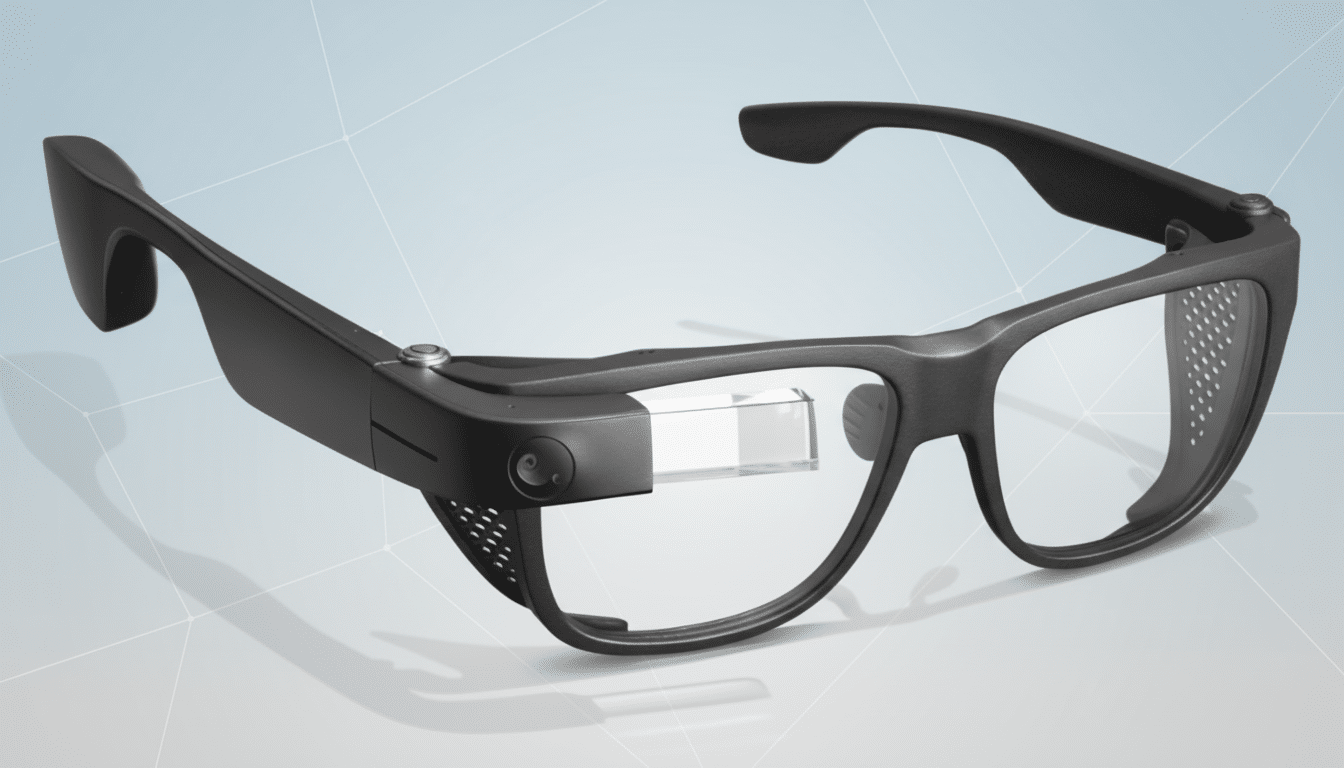
That emphasis on an eyewear channel is practical. The Vision Council reports that approximately 64% of adults in the United States wear prescription glasses, and fit, lens quality, and ongoing adjustments lead to repeat visits. By leaning on an existing optical workflow — eye exams, frame fittings, and lens replacements — Google can make smart glasses feel like regular eyewear with the added benefit of intelligence.
Competition and market context for consumer smart glasses
Meta has an early upper hand in consumer smart glasses with its Ray-Ban line, which brings folks’ everyday style together with the ability to take photos without using their hands. Apple, Snap, and a variety of other XR specialists are circling as well, each betting on different arrays of displays, sensors, and app ecosystems. Research firms like IDC and Counterpoint predict that head-worn devices will continue to grow as A.I. assistants spread beyond phones, but it is a young category — and one that consumers are cost- and comfort-conscious about.
Google’s approach is to bridge ambient AI with a polished mobile stack and, most crucially of all, trusted retail partners. If the company is able to layer services like Maps, Live Caption, Translate, Photos, and Calendar into a space-efficient series of blocks with minimalist design that’s right before your face (but not in your face), then you’ve got a daily use case that’s bigger than hands-free video. In the Xreal partnership, we see potential for two different flavors — “work mode” and “wear all day” versions that can exist side-by-side on a single platform.
Technical hurdles to watch as Google readies AI eyewear
Battery life is the big hardware challenge, plus the device coping with heat and being visible in bright sunlight. Any in-lens display must be sharp but power efficient; microphones need to isolate the wearer’s voice even amid a cacophony; on-device AI should be speedy without bulking up the frames. And don’t be surprised if Google leans more toward hybrid processing — keeping sensitive tasks local while offloading hefty jobs when bandwidth permits.
Privacy will shape adoption. Wearable cameras should display clear recording indicators and have room for user settings, while regulators in Europe have pushed device makers on bystander awareness. Google has learned hard lessons from the Glass era: easily visible status lights, granular permissions, and automatic face blurring in in-shot media may be the countermeasures that earn trust.
Everyday use cases that could make smart glasses essential
Navigation that hovers before your gaze, captions that improve conversations, rapid-fire “what am I looking at?” cooking, DIY, or travel queries — light, benign yet high-frequency tasks where glasses are better than a phone. Google has already demonstrated real-time translation and live captions on Android; getting features like those onto a discreet wearable could turn them into behaviors as opposed to demonstrations.
What will determine success for Google’s first AI glasses
Three factors will dictate the success: comfort that feels like everyday eyewear, price points that feel like an investment not a gamble, and a developer story that rewards building for eyes-up interactions. Get those right and Google’s first stand-alone AI glasses won’t just be another gadget; they could serve as the most natural home for ambient computing.
- Comfort that feels like everyday eyewear
- Price points that feel like an investment, not a gamble
- A developer story that rewards eyes-up interactions
