


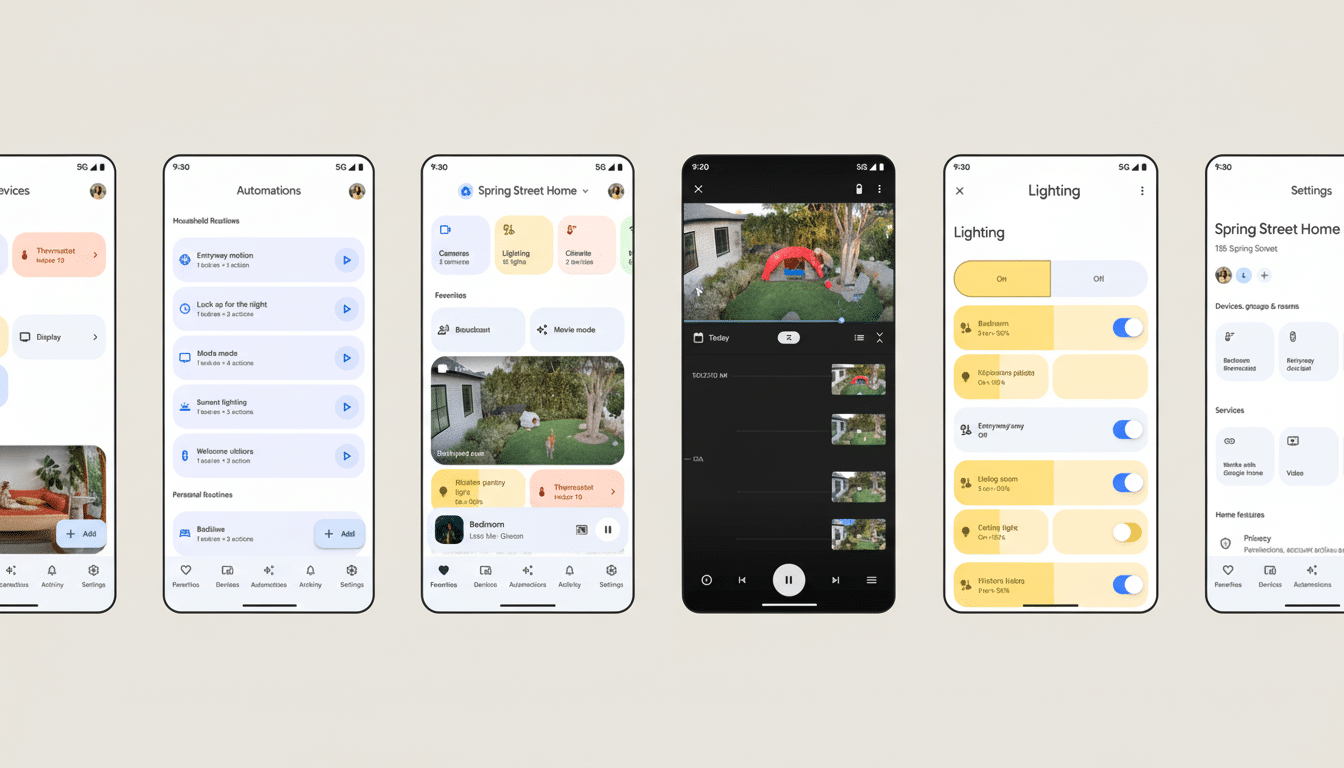
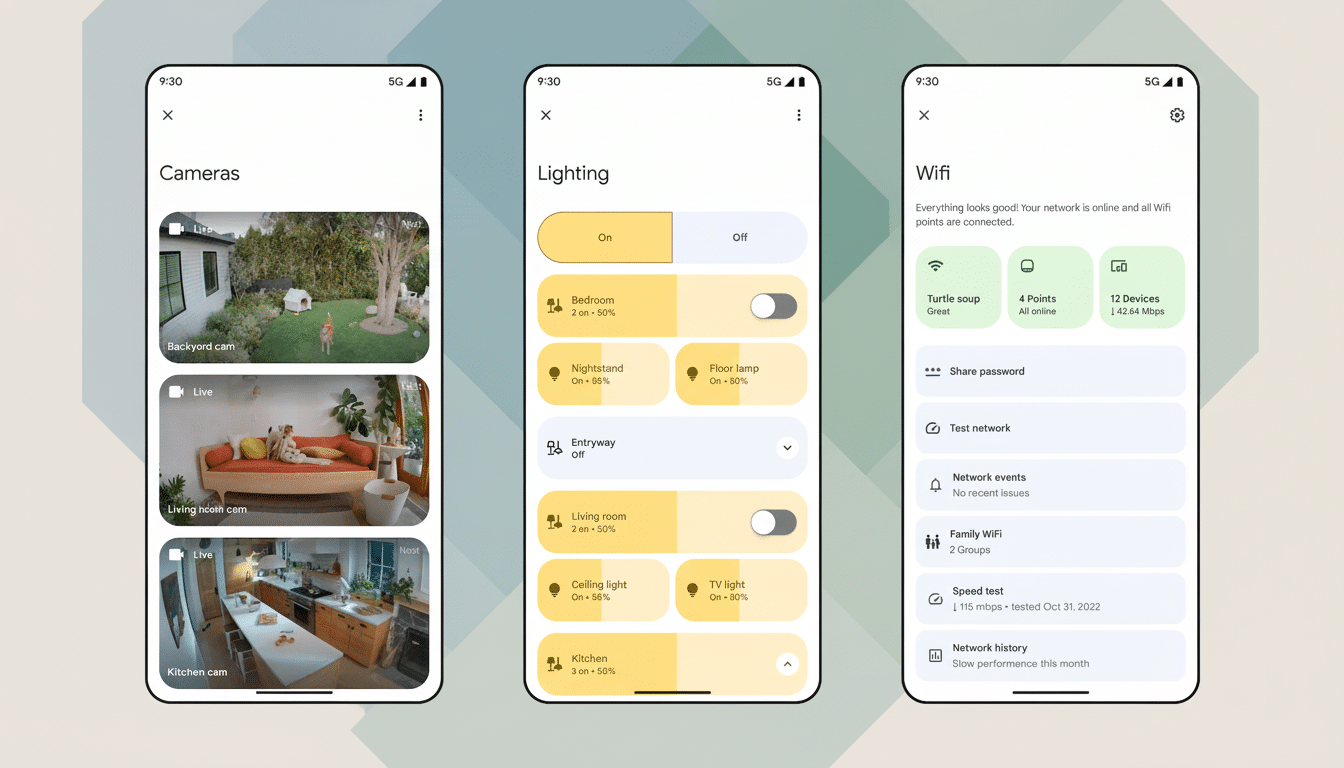
Google has just injected a new dose of ambition into its smart home platform, with Gemini-powered automation, an overhauled Home app and souped-up Nest cameras. Finally, the software story is interesting. The trouble is the hardware story still isn’t. Google’s smart speakers and displays are hard to find, slow to ship, and overdue for a complete refresh — and the company needs to acknowledge that out loud, then fix it.
A Release Strategy That Deflates Momentum
Google’s new $99 Google Home Speaker ticks a lot of boxes, like 360-degree sound, stereo pair capabilities and on-device processing optimized for Gemini. It’s the right basic product, on paper. But to announce a mass-market speaker model and push retail availability many months down the line telegraphs uncertainty. It’s asking for an Osborne effect, letting the air out of retail partnerships and risking seeding mindshare during crucial buying cycles.
Google’s stated reason — starting with getting Gemini to the speakers and displays it already sells — raises another point of concern. A company the size of Google ought to be able to roll software out and launch hardware at the same time. If the platform requires everything to stop pushing a model over the finish line, that is indicative of brittle process and precious little dedicated silicon available for local AI workloads.
One Tap Alone Does Not Make a Smart Home Platform
The portfolio gaps are glaring. There’s no obvious heir to the affordable Nest Mini. There’s no premium living room–worthy option to match the auditory punch of category leaders. And the smart display story is on hold, even though the demand for visual controls, contextual responses and household calendars is booming. You can’t expect a single mid-tier speaker to be able to support a platform that exists in several rooms for several uses at once.
Just check out how opponents lay out the shelf: Amazon fills in price points from the tiniest Echo to the audiophile-dreaming Studio and several sizes of Echo Show. You might also criticize some of the complexity — and Alexa has its own set of issues — but that nice steady pulse keeps hardware fresh, and buyers confident. Apple, meanwhile, targets fewer models but grounds them with stable acoustics and long support windows. By comparison, Google’s collection feels like an act of posturing.
The Market Data Points To Magical Discipline
Independent trackers emphasize the risk of drift. Canalys and IDC also consistently had Amazon ahead of Google for global smart speaker and display share, in most cases with a double-digit gap. The category has plateaued, with shipments annually in the low hundreds of millions. In a so-called replacement-driven market, the newness and differentiation context are up to more than ever when it comes to new launches as well as clear value tiers at retail with strong visibility.
Parks Associates has also pointed out that a smart speaker is often a first stop, boosting the odds that households will add cameras and sensors — not to mention lighting. When Google’s on-ramps are delayed or few, it loses the top rung of the ladder — and subsequent attach requests for services and Nest devices.
Trust And Longevity Continue To Haunt Google Home
Hardware hesitancy is not just about availability; it’s about trust. Google’s track record of sunsetting devices and features — from old Nest products to crippled Assistant capabilities — has scared some potential buyers away. Smart speakers and displays should seem like appliances that will remain on, not like things on borrowed time.
There’s also the silicon question. Today’s assistants require on-device processing for quick responses, privacy and reliability. Many of Google’s current speakers and displays were constructed on cost- or resource-constrained chips with tight memory constraints, a condition that limits the expansion of on-device AI capabilities and decreases device lifespans. If Gemini-powered “Ask Home” is the future, the hardware has to be there for it, especially if we’re talking about running rather than offloading everything to the cloud.
What a Fix for Google Home Hardware Would Look Like
Google doesn’t need a dozen SKUs; it needs a consistent family and steady drumbeat. A viable roadmap would feature at least four hooks in a fairly narrow time frame:
- The ultra‑affordable Mini replacement
- The new mid-tier speaker
- Another model with room calibration and premium audio quality
- Two modern displays (the screen-and-audio system for small kitchens followed by MHH2)
Mirror tight to ship dates, eliminate long pre-announce gaps, and support with compelling trade‑ins to refresh the installed base.
Standardize on a capable edge AI platform with plenty of RAM and secure enclaves under the hood. Promise multi-year software support and feature parity across levels. Double down with Matter and Thread, join multi-admin, and local automations that come back after an internet outage. Publish a transparent update policy, and open a robust SDK so accessory makers and developers can build reliably on Ask Home without guessing about which features will stick.
Acknowledge the Gap in Google Home Hardware and Close It
The revised Home app is a thoughtful one. Gemini’s contextual control looks powerful. But none of it will land at scale if the devices that deliver the experience are delayed, scarce or old. The first of those is recognizing the Google Home hardware gap. The second is simply delivering a steady, credible roadmap that gets trustworthy AI‑ready speakers and displays (and their data) back to the center of the home — and keeps them there.
